Disorganized attachment, often known as fearful-avoidant attachment, manifests in children who perceive their primary caregivers as simultaneously a source of security and apprehension. This creates an inner struggle that dictates their interactions with others. This particular attachment style can lead to a range of behavioral inconsistencies, including a fluctuating desire for closeness coupled with an urge to distance themselves, challenges in emotional regulation, and unpredictable emotional reactions. The article delves into the origins of this attachment pattern, highlighting contributing factors such as inconsistent parenting practices, parental mental health issues, and socioeconomic disadvantages. It also provides actionable advice for parents on cultivating more secure relationships and underscores the indispensable role of mental health professionals in addressing and mitigating the effects of disorganized attachment.
Disorganized attachment typically emerges from a childhood environment where a child experiences their primary caregiver as both a haven of safety and a source of distress. Joseph Cavins, an LFMT and Clinical Director at Southern California Sunrise Recovery Center, clarifies that this dynamic cultivates an internal conflict within the child regarding how they form relationships. Initially identified by British psychologist John Bowlby in the 1950s as a core aspect of attachment theory—which examines the enduring emotional bonds between individuals—disorganized attachment was later formalized as a distinct category in the early 1990s, building upon Mary Ainsworth’s earlier classifications of secure, insecure-avoidant, and insecure-ambivalent/resistant attachments.
Individuals who grew up in environments characterized by unpredictable caregiving, oscillating between warmth and rejection, are prone to developing a disorganized attachment style. This often translates into adulthood as unstable relationships, driven by an underlying fear of abandonment, as noted by Cavins. Such individuals may also display episodes of emotional withdrawal and significant mood fluctuations. Mary Kalil, LMSW of Moving Forward Counseling, LLC, explains that when a child experiences inconsistent affection followed by sudden, painful reactions from a caregiver, it engenders profound emotional confusion, leading to fear, distrust, and chronic anxiety. A 2023 study revealed that 23.5% of children examined exhibited signs of disorganized attachment, with a higher prevalence among those from low-income households or with parents suffering from mental illness. This research underscored a strong correlation between parental stress levels and the type of attachment their children form.
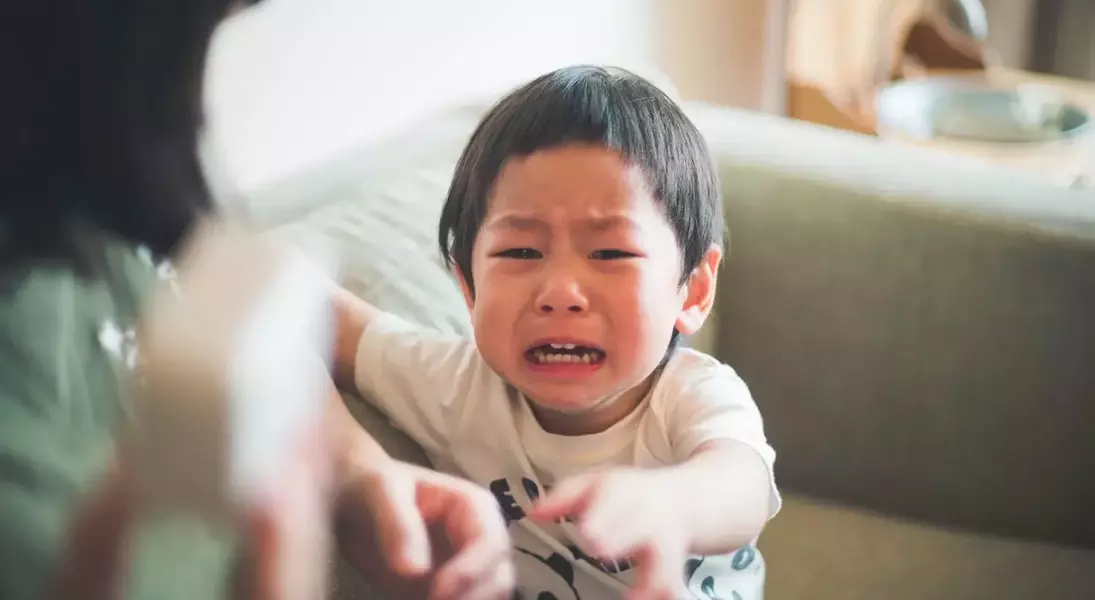
Children displaying disorganized attachment often exhibit a unique set of behaviors. Cavins points out that a child who struggles with both seeking proximity and pushing away their caregiver is likely showing signs of this attachment style. Other indicators he mentions include unexpected outbursts of fear or anger when upset, appearing frozen or paralyzed around parents, difficulty self-soothing when distressed, and vacillating between clinging to and rejecting caregivers, which reflects their inner turmoil about relationships. Kalil adds that parents should observe behaviors such as social withdrawal, severe separation anxiety when apart from caregivers, and developmental regressions like bedwetting after potty training or thumb sucking at an older age. Social phobias can also be a red flag for disorganized attachment.
Both Cavins and Kalil emphasize the crucial role of patience and understanding in supporting children with disorganized attachment. They stress that parents must prioritize establishing consistency and stability in the child’s environment. This means refraining from punitive responses during challenging behaviors, instead recognizing these actions as expressions of a deep need for security and affection. Cavins highlights that children exhibiting these behaviors are acting from a place of profound fear, not defiance, having learned that relationships are not consistently safe. Therefore, their seemingly erratic actions are attempts to cope with overwhelming emotions rather than manipulations. Kalil reinforces the need for caregivers to consistently provide a sense of safety. Creating predictable daily routines, such as consistent bedtimes and morning rituals, can significantly aid children in stabilizing their emotional state. Cavins further recommends maintaining calmness during emotional outbursts to foster a secure environment, and helping children articulate their feelings.
Beyond parental efforts, professional mental health support is often essential for children with disorganized attachment. Kalil advocates for therapy specializing in attachment and behavior, emphasizing that consistently demonstrating safety to the child is the primary goal. She also suggests incorporating techniques like deep breathing exercises and making direct eye contact during conversations. Enrolling children in extracurricular activities can help them connect with peers, and finding a therapist skilled in strategies such as exposure therapy and cognitive behavioral therapy can provide significant benefits. Furthermore, parents themselves may benefit greatly from therapy to develop healthier coping mechanisms and improve their own emotional regulation and parenting approaches. Cavins cautions against the misconception that love alone can resolve these deep-seated issues, stating that while love is fundamental, specialized mental health support is often indispensable for a child’s healing.
