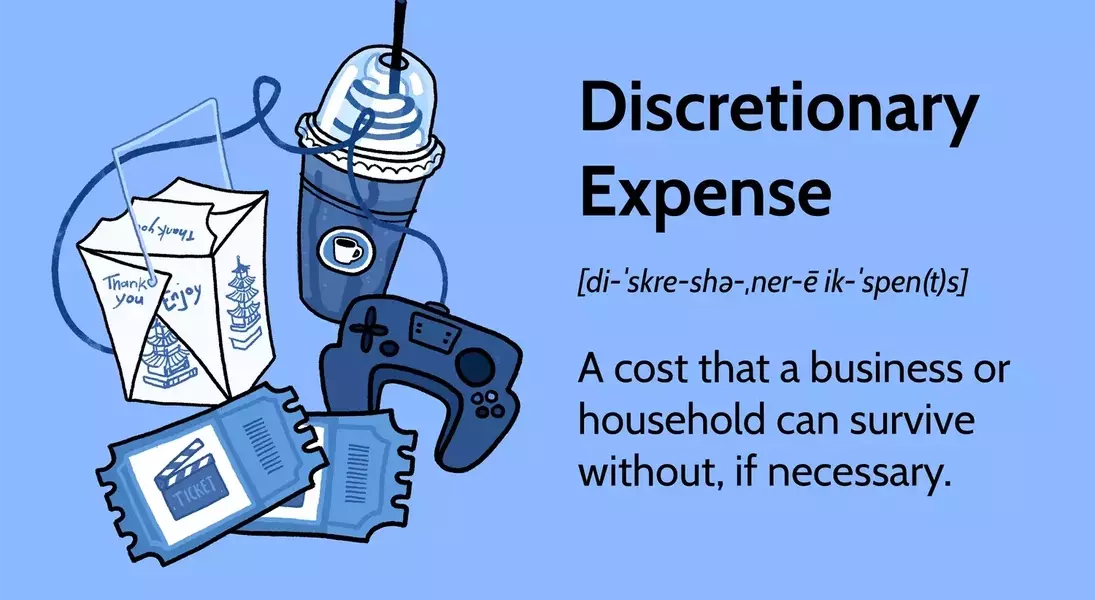
Understanding discretionary expenses is crucial for effective financial management, both for individuals and businesses. These expenses represent non-essential costs that can be adjusted or cut without significantly affecting core functions or daily life. In contrast to mandatory outlays like rent or loan payments, discretionary spending encompasses items and services that cater to preferences and lifestyle rather than basic necessities.
Discretionary expenses are funded by discretionary income, which is the money left over after all essential expenditures such as housing, food, and taxes have been covered. During periods of economic prosperity, people and companies often allocate more funds to these non-essential items, including luxury goods, vacations, dining out, and entertainment. However, in tougher economic times or when facing cash flow challenges, these expenses are typically the first to be reduced or eliminated, as doing so minimizes disruption to essential operations or living standards. The classification of an expense as discretionary can be subjective, varying based on individual circumstances or business needs; for example, a new car might be a luxury for one person but a necessity for another with a long commute.
Effective budgeting for these optional costs involves tracking them separately from essential expenditures and prioritizing them by importance. This allows for quick identification of areas to cut back during financial hardship, helping both households and businesses maintain stability and achieve financial objectives. By distinguishing between needs and wants, individuals and organizations can make informed decisions about their spending, ensuring financial resilience and paving the way for a more secure future.
By mastering the art of managing discretionary expenses, you gain greater control over your financial destiny. This proactive approach to spending not only mitigates risks during economic downturns but also fosters a mindset of informed decision-making, encouraging the pursuit of long-term financial health and personal fulfillment.
