Cherry and grape tomatoes, while both small and bursting with flavor, possess distinct characteristics that cater to diverse culinary preferences. This exploration, guided by gardening expert Craig LeHoullier, uncovers their unique origins, physical attributes, taste nuances, and ideal applications. Understanding these differences can elevate your cooking and gardening experiences, ensuring you select the perfect tomato for every occasion.
For many, the arrival of summer signifies the peak season for tomatoes, a fruit renowned for its sweet and tangy essence. The process of cultivating these plants, from preparing the soil after a harsh winter to nurturing vibrant summer crops, is a cherished ritual. While traditional beefsteak tomatoes have long been a garden staple, the introduction of cherry tomato varieties such as Sungold, Sugar Rush, and chocolate cherry tomatoes has expanded the possibilities for home growers. This trend naturally raises questions about the common 'grape' tomatoes found in stores and how they compare to their cherry counterparts.
Botanically, tomatoes are categorized as fruits, specifically berries, due to their fleshy structure encasing seeds. They belong to the Solanum genus within the Solanaceae family, commonly known as nightshades, which also includes peppers, eggplants, and potatoes. Originating in South America, likely Peru and Ecuador, tomatoes have been cultivated for thousands of years, with ancient civilizations selectively breeding them for superior flavor. Early wild tomatoes closely resembled modern cherry tomatoes in size, shape, and a spectrum of colors including red, yellow, and orange. Although wild varieties still exist in the Andes, their smaller size and subtler flavor make them less popular for consumption.
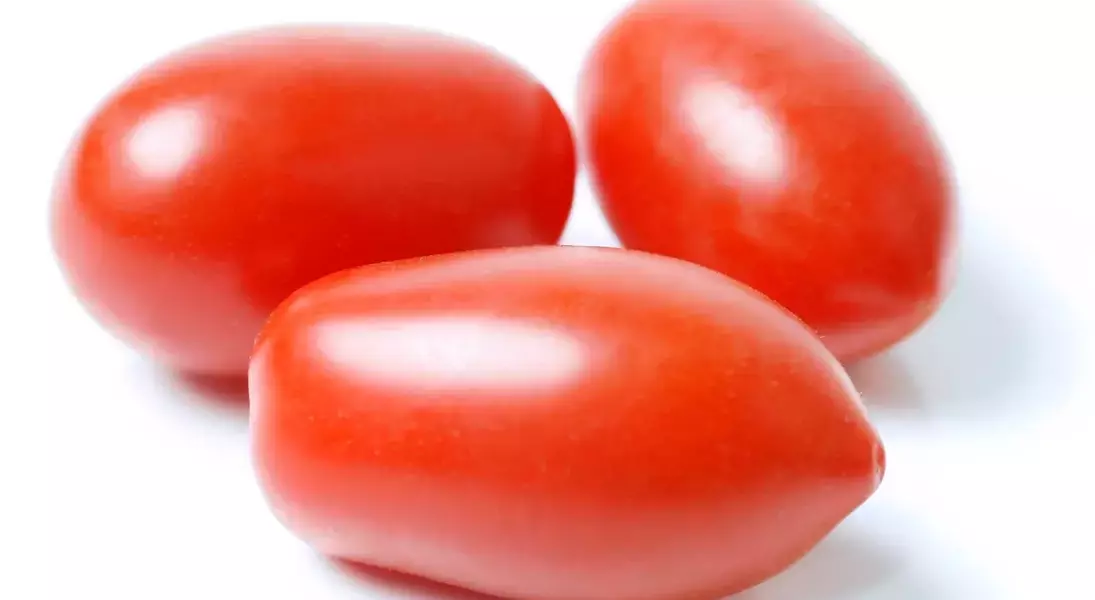
In contrast, grape tomatoes are a relatively recent addition to the American culinary landscape, gaining prominence in the 1990s. Their journey began in mainland China before reaching the U.S., notably through Andrew Chu's farm in Florida, where he successfully cultivated the Santa variety from seeds provided by a Taiwanese plant breeder. This initial success led to the dominance of Santa and Juliet grape tomatoes in the market. LeHoullier points out that the grape tomato's popularity surged because of its inherent sweetness and robust flavor, offering a welcome alternative to the often bland globe tomatoes found in grocery stores.
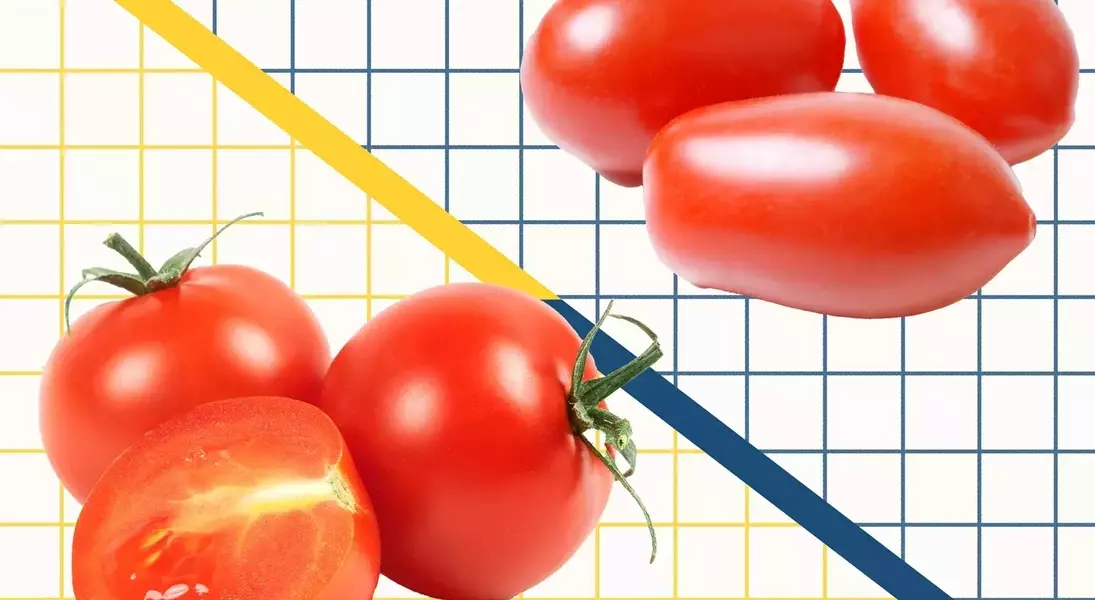
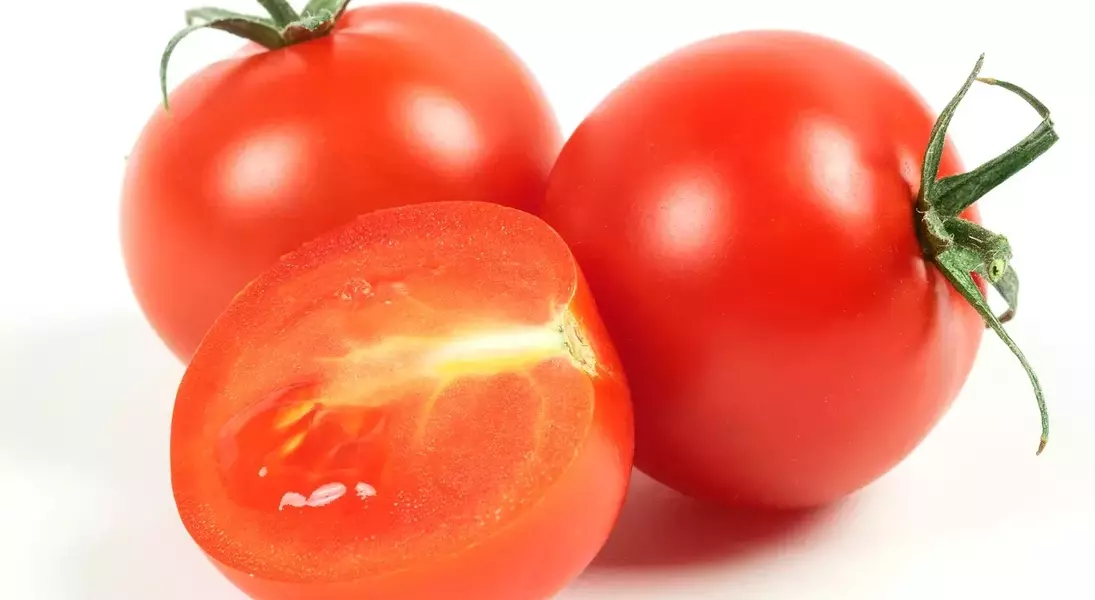
Despite their shared sweet and acidic profiles, cherry and grape tomatoes exhibit key distinctions. Cherry tomatoes are typically rounder, plumper, and more succulent, attributed to their higher locular gel content and spherical shape. They also boast a wider array of colors, reflecting their ancient origins and extensive selective breeding. Grape tomatoes, conversely, are oblong and firmer, with a thicker skin that contributes to a longer shelf life. While grape tomatoes are generally sweeter, certain cherry varieties like Sungold are celebrated for their intense sweetness and rich flavor.
In terms of cultivation, both varieties are remarkably adaptable, thriving even in less-than-ideal conditions and container gardens. This flexibility makes them a popular choice for home gardeners with limited space or sunlight. When it comes to culinary use, cherry and grape tomatoes are largely interchangeable, excelling whether eaten raw, blistered, or incorporated into sauces. Culinary experts often favor cherry tomatoes for burst-tomato pasta sauces due to their juiciness, while grape tomatoes are preferred for dishes requiring them to maintain their shape, such as roasted vegetables. Their differing textures also influence handling; grape tomatoes are firmer and easier to slice, whereas cherry tomatoes are more prone to bursting.
Ultimately, the choice between cherry and grape tomatoes often boils down to personal preference and specific culinary needs. While grape tomatoes offer a consistently sweet and firm option, cherry tomatoes provide a broader spectrum of flavors and colors, catering to those who appreciate variety in their dishes. Both varieties significantly enhance the flavor profile of meals compared to larger globe tomatoes, thanks to their sweetness and higher pectin content.
