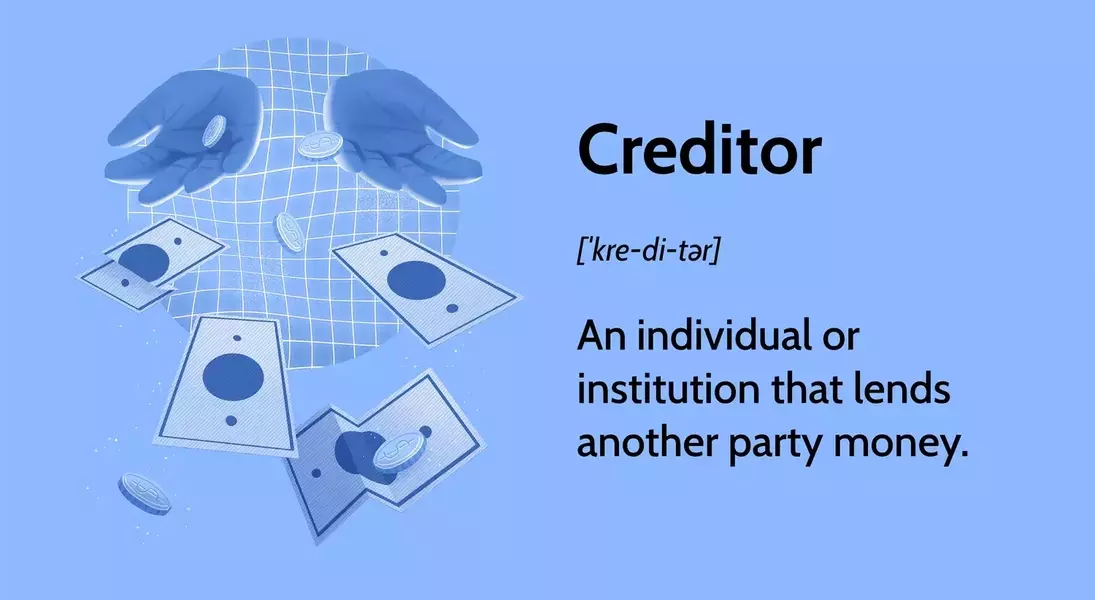
A creditor is essentially an entity, either an individual or an institution, that provides funds or extends credit to another party, typically with a formal loan agreement or contract, expecting the capital to be returned. These financial relationships form a cornerstone of economic activity, influencing everything from personal finance to corporate investments.
There are generally two main categories of creditors: personal and real. Personal creditors often involve informal agreements, such as lending money to friends or family, or a business providing services with deferred payment. Real creditors, on the other hand, are typically financial institutions like banks or finance companies. They operate under stringent legal contracts, which often include clauses allowing them to claim collateral or assets if the borrower defaults on the loan. This distinction highlights the varied levels of formality and security inherent in different lending arrangements.
A crucial aspect of a creditor's operations is managing risk, which they often do by adjusting interest rates and fees based on the borrower's creditworthiness. Individuals or businesses with strong credit histories are perceived as low-risk, making them eligible for lower interest rates. Conversely, those with lower credit scores are deemed riskier, leading to higher interest charges to offset the increased potential for default. This mechanism is fundamental to how creditors protect their investments and ensure the sustainability of their lending practices. The dynamic between creditors and debtors is central to financial markets, with the former providing the necessary capital for economic growth and the latter fueling demand and investment.
When borrowers fail to honor their repayment obligations, the actions taken by creditors vary significantly based on the nature of the loan. For secured creditors, who hold a legal claim over assets like real estate or vehicles, non-repayment can lead to repossession or the enforcement of a lien. This grants them the right to seize and sell the collateral to recover their losses. Unsecured creditors, such as credit card companies, lack such direct recourse. In cases of default, they typically pursue legal action, which could result in court orders for payment, wage garnishments, or bank levies. These measures underscore the legal frameworks in place to protect creditors' interests, albeit with differing enforcement mechanisms for secured versus unsecured debts.
Bankruptcy presents a complex scenario for both debtors and creditors. When a debtor declares bankruptcy, it initiates a legal process designed to provide relief from overwhelming debt, managed under court supervision. During these proceedings, creditors are notified, and a bankruptcy trustee may liquidate non-essential assets to repay debts. The order of repayment is hierarchical, with government debts like taxes and child support, as well as criminal fines, usually prioritized. Unsecured debts, such as those from credit cards, typically fall to the lowest priority, significantly reducing the likelihood of creditors recovering their funds.
It is important to distinguish between an original creditor and a debt collector. An original creditor is the entity that initially provided the loan, whereas a debt collector acquires delinquent debts from original creditors, often at a reduced price, with the intent of collecting the full amount. For example, if a bank sells a defaulted loan to a debt collector, the collector is legally entitled to pursue the entire outstanding balance from the borrower. This system allows original creditors to recover some losses and focus on core lending activities, while specialized agencies handle the complexities of debt recovery. Consumer protection laws, such as the Fair Debt Collection Practices Act (FDCPA), play a vital role in regulating the conduct of debt collectors, ensuring ethical practices and safeguarding debtors from aggressive tactics.
In essence, creditors are indispensable players in the financial landscape, facilitating economic activity through the provision of credit. Their role comes with inherent risks, managed through interest rates and rigorous assessment of creditworthiness. The legal implications of non-repayment and the intricate processes of bankruptcy highlight the structured environment in which creditors operate, ensuring a balance between fostering economic growth and protecting financial integrity. Understanding the nuances of credit, debt, and the roles of various financial entities is key to navigating both personal and corporate financial responsibilities effectively.
