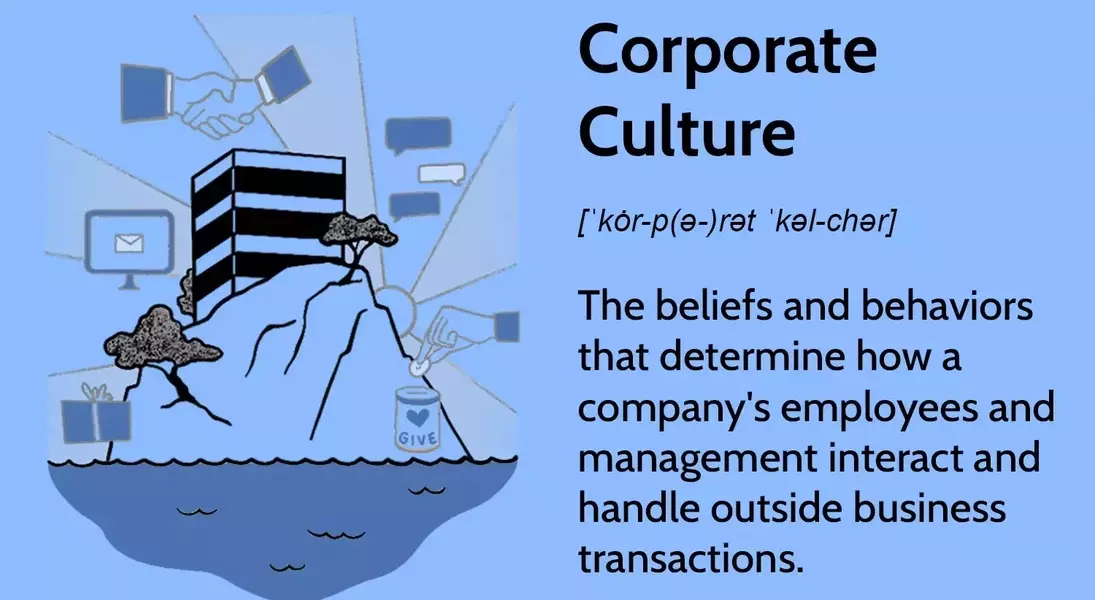
Corporate culture is the underlying framework of norms and practices that shape behaviors and attitudes within an organization, essentially acting as its invisible architecture. It is crucial for attracting and retaining top talent, fostering excellent employee performance, and ensuring the long-term success and stability of the organization. Without a well-defined and positive corporate culture, a business risks losing direction and failing to reach its full potential.
A strong corporate culture also offers measurable business advantages, such as enhanced employee performance, better talent retention, and a distinct competitive edge. It promotes organizational resilience, allowing companies to navigate challenges and market shifts more effectively, and fosters innovation by encouraging creativity and risk-taking. Understanding and cultivating a robust corporate culture is no longer just a desirable trait but a strategic imperative for any thriving business.
The Essence and Application of Corporate Culture
Corporate culture is defined as the shared beliefs, values, and established practices that guide behavior and attitudes within an organization. It encompasses both the formal guidelines, such as company policies and procedures, and the unwritten social norms that dictate how employees interact with each other, customers, and stakeholders. This culture acts as the collective personality of the organization, profoundly shaping how individuals approach their responsibilities, solve problems, and collaborate on projects. Research highlights that companies with a strong culture tend to experience significantly higher revenue growth compared to those with weaker cultures, underscoring its tangible business impact. It is a dynamic entity, constantly evolving under the influence of leadership, industry trends, and broader societal changes, making its continuous development a key focus for successful enterprises.
The application of corporate culture is broad, extending into every facet of an organization's operations and ultimately influencing its overall success. It dictates employee behavior and decision-making, affecting everything from daily interactions to long-term strategic choices. A well-defined culture fosters a sense of belonging and purpose, leading to increased employee satisfaction and higher retention rates, which in turn reduces recruitment costs and improves overall productivity. A 2012 Deloitte survey revealed that a vast majority of executives (94%) and employees (88%) consider a distinct workplace culture essential for business success. Furthermore, robust cultures contribute to competitive differentiation by creating unique identities that attract both talent and customers, and enhance organizational resilience, enabling companies to adapt effectively during periods of market volatility and industry transformation. Such benefits reinforce a cycle of continuous improvement, where cultural strength drives performance, leading to further investment in culture-building initiatives, thus establishing corporate culture as a critical strategic asset.
Diverse Manifestations of Organizational Ethos
Corporate cultures are not monolithic; they vary significantly, often categorized into four primary types based on the competing values framework developed by researchers Robert Quinn and Kim Cameron. These archetypes—Clan, Adhocracy, Market, and Hierarchy—emerged from extensive research into organizational effectiveness and are structured along two critical dimensions: flexibility versus stability and internal versus external focus. Organizations typically embody characteristics from all four types, but one or two usually dominate, shaping their unique operational style. The Clan culture, for instance, emphasizes collaboration and a family-like atmosphere, fostering strong relationships and employee loyalty, making it common in smaller, family-owned businesses. Adhocracy cultures, conversely, thrive on creativity and adaptability, encouraging risk-taking and quick decision-making, which is prevalent in tech startups and fast-paced industries that demand constant innovation.
Conversely, Market cultures are intensely results-oriented, focusing on competition, profitability, and achieving measurable goals. This type often creates a high-pressure environment where employees are driven to excel, commonly found in highly competitive sectors aiming for rapid market share expansion. Finally, Hierarchy cultures prioritize structure, clear roles, and established procedures, emphasizing efficiency, stability, and predictability with centralized decision-making. These cultures are typical in large corporations and heavily regulated industries like banking and utilities, where adherence to strict protocols is paramount. Real-world examples demonstrate how these cultures can combine and interact. For instance, Google's culture blends elements of adhocracy and clan, fostering creativity and collaboration. Patagonia showcases a strong clan culture deeply rooted in environmental advocacy. Netflix emphasizes a market-driven, high-performance culture, while Zappos experimented with a self-organizing holacracy, reflecting a blend of clan and adhocracy focused on customer service and unique values. Salesforce embodies a clan culture with its 'Ohana' philosophy, emphasizing teamwork and community involvement. Each example highlights how these cultural archetypes are applied and adapted to suit specific organizational values, industry demands, and strategic objectives, proving the dynamic and crucial role of culture in corporate success.
