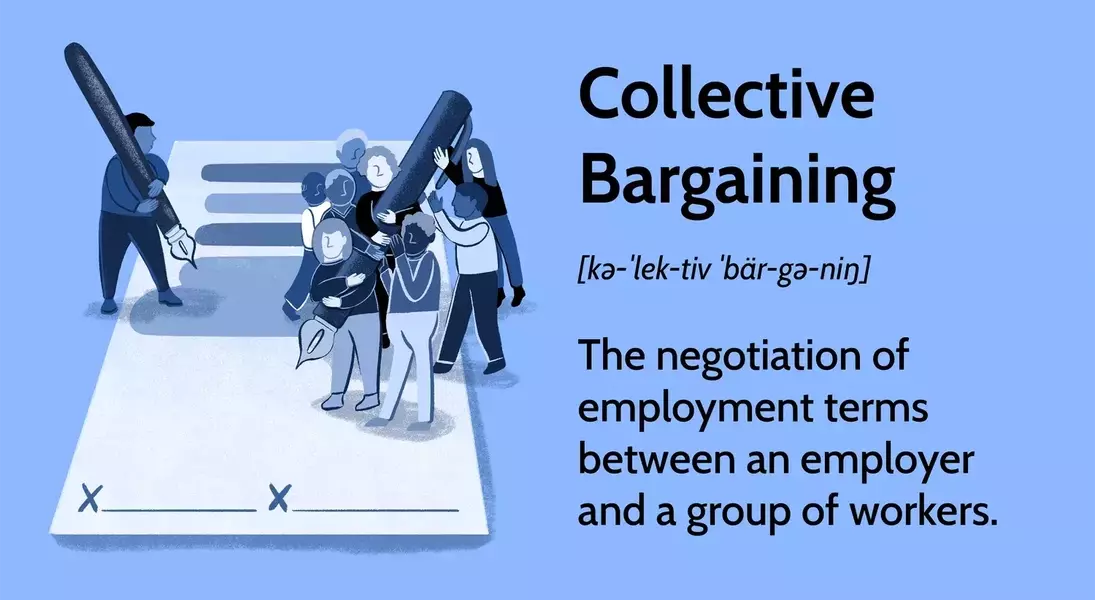
Collective bargaining is a foundational element in labor relations, representing a structured dialogue between a group of employees, usually through a union, and their employer. This essential process aims to establish mutually agreeable terms and conditions of employment. It addresses a wide array of workplace issues, including wages, hours, benefits, and overall working environment, all with the objective of formalizing these agreements into a comprehensive and legally binding contract. The International Labour Organization underscores the importance of this right, recognizing its role in fostering equity and safeguarding workers' interests.
The negotiation process itself is dynamic and can involve various strategies. These can range from identifying and presenting employee grievances, engaging expert negotiators from both sides, to reaching tentative accords that are then subject to ratification by the union members. Should an agreement prove elusive, more assertive actions like strikes or lockouts might be considered, though these are typically last-resort measures. Various forms of collective bargaining exist, such as composite bargaining, which prioritizes non-financial aspects like job security; concessionary bargaining, where unions may forgo benefits for job preservation during economic downturns; distributive bargaining, focusing on one party's financial gain at the other's expense; integrative bargaining, a 'win-win' approach seeking mutual benefits; and productivity bargaining, linking compensation to enhanced employee output.
The advantages of collective bargaining are significant, empowering employees with a unified voice and leading to improved working conditions, fair compensation, and clear delineation of rights and responsibilities. However, the process is not without its drawbacks. It can be protracted and costly, potentially disrupting productivity. Critics also argue that collective bargaining can sometimes create an imbalance of power, forcing employers into agreements that may not be entirely favorable. Despite these challenges, its role in shaping modern industrial relations and contributing to the development of a stable middle class remains undeniable, as exemplified by historical labor movements and ongoing efforts to secure fair treatment for workers.
Ultimately, collective bargaining serves as a vital mechanism for achieving workplace harmony and economic justice. By providing a formal avenue for employees to advocate for their rights and interests, it helps ensure that labor practices are equitable and that workers are treated with dignity. This process, while occasionally challenging, consistently strives for positive outcomes, contributing to a more just and balanced working world where the collective good is prioritized.
