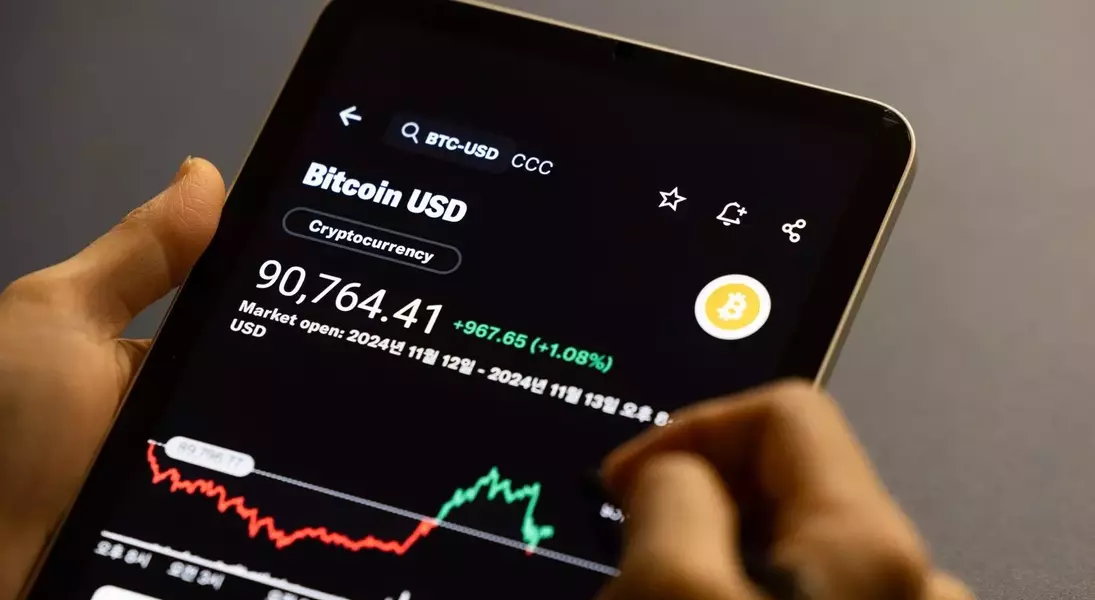
Bitcoin has transitioned from a specialized digital experiment into a recognized global financial asset, drawing interest from both individual and institutional investors. The growing ease of trading, supported by enhanced liquidity and the availability of exchange-traded products, has broadened its appeal. However, potential investors must carefully weigh the significant price fluctuations and the current absence of comprehensive investor safeguards. A thorough analysis of Bitcoin's advantages and disadvantages is crucial before making any investment decisions.
Navigating Bitcoin Investment Options
For those considering an investment in Bitcoin, various avenues exist, each presenting its own set of advantages and challenges. Direct acquisition of Bitcoin through cryptocurrency exchanges, followed by storage in digital wallets, grants investors complete control over their assets. This method, while empowering, places the full burden of security and management on the individual, requiring diligent safeguarding against potential loss or theft.
Alternatively, investing in Bitcoin through exchange-traded products (ETPs) offers a different approach. These financial instruments track Bitcoin's market performance without requiring investors to directly manage private keys, thereby simplifying the investment process. Traded on conventional stock exchanges, ETPs can provide a layer of security, though they may involve management fees and might not perfectly mirror Bitcoin's real-time price movements. The choice between direct ownership and ETPs largely depends on an investor's experience level, risk tolerance, and desired degree of involvement in managing their crypto holdings.
The Dual Nature of Bitcoin: Benefits and Drawbacks
Bitcoin presents a compelling, yet complex, investment proposition, characterized by both notable upsides and considerable downsides. Its journey from an obscure digital concept to a widely recognized asset has captivated many, but a balanced understanding of its inherent traits is vital for any prospective investor.
On the positive side, Bitcoin has historically demonstrated remarkable long-term growth, yielding substantial returns for early adopters and those committed to holding their investments over extended periods. Its presence in global markets facilitates continuous trading with high liquidity, enabling investors to readily enter or exit positions. Furthermore, some proponents view Bitcoin as a potential hedge against inflation due to its finite supply and past performance, although this characteristic is not a guaranteed outcome. The advent of Bitcoin exchange-traded products has also significantly improved accessibility, allowing investors to gain exposure through traditional brokerage accounts, which can mitigate certain operational risks.
Conversely, Bitcoin is renowned for its extreme price volatility, which can lead to rapid gains but also quick and substantial losses, making it unsuitable for short-term traders or those with a low-risk appetite. Transaction costs can also surge during periods of high network activity, increasing the expense of transferring Bitcoin. Environmental concerns surrounding the energy-intensive process of Bitcoin mining pose a significant drawback for environmentally conscious investors. Moreover, unlike traditional assets, Bitcoin lacks robust investor protections; direct holders may lose their investment irrevocably if private keys are lost or stolen, and while some exchanges offer limited insurance, most losses from hacks or user error are not recoverable. Finally, the evolving regulatory landscape introduces an element of uncertainty, as changes in policy can significantly impact market sentiment and liquidity, underscoring the importance of staying informed about new developments.
