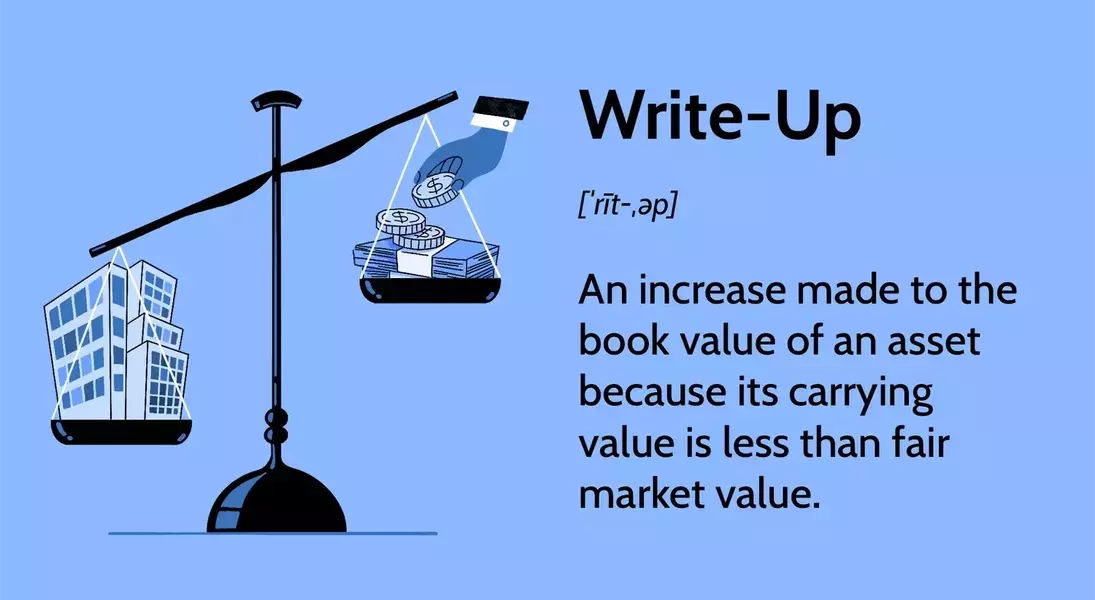
This content explores the concept of asset write-ups in accounting, detailing their definition, reasons for occurrence, and implications for financial statements. It differentiates them from asset write-downs and provides a practical example of how asset values are adjusted during a corporate acquisition.
Elevating Asset Values: The Dynamics of Financial Restatement
Defining an Asset Value Increase
An asset value increase refers to the upward adjustment of an asset's recorded worth. This adjustment typically occurs when the current recorded value of an asset falls below its market-determined value. Such revaluations are common during corporate mergers and acquisitions, where the acquired company's assets and liabilities are reassessed to reflect current market prices. It can also arise from corrections of initial recording errors or if a prior reduction in value was deemed excessive. This adjustment is a non-cash transaction, contrasting with a reduction in asset value.
Exploring the Significance of Asset Value Adjustments
While substantial reductions in asset values often attract considerable media attention, reflecting potential financial difficulties, increases in asset values typically do not generate the same level of public or investor interest. This is largely because asset value increases are generally isolated events rather than indicators of ongoing business performance.
During the process of an asset value increase, specific considerations are given to intangible assets and the associated tax implications. An increase in asset value can lead to a deferred tax liability, stemming from anticipated future depreciation expenses on the revalued asset.
Illustrative Scenario of an Asset Revaluation
Consider a situation where one company acquires another for $100 million. Initially, the acquired company's net assets are recorded at $60 million. Prior to finalizing the acquisition, the acquired company's assets and liabilities must be adjusted to their market-based values. If this revaluation determines the market-based value of these assets to be $85 million, the $25 million increase represents an asset value adjustment. The remaining $15 million difference between the adjusted asset value and the acquisition cost is subsequently recorded as goodwill on the acquiring company's balance sheet.
