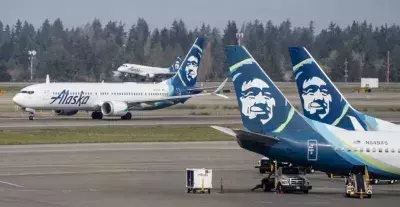
Recent incidents, such as the major computer system malfunction experienced by Alaska Airlines in July, underscore a persistent vulnerability within the aviation sector. Passengers, like Tony Scott, found themselves stranded amidst chaos and a lack of clear information when their flights were abruptly canceled due to an IT outage. This event, which led to hundreds of cancellations, particularly at Seattle-Tacoma International Airport, epitomizes the severe disruptions that can occur when the intricate technological backbone of an airline falters.
These technological failures are not unique to one carrier, as numerous airlines have encountered similar crises in recent years, forcing them to ground entire fleets. Whether caused by software glitches, as seen with Delta Air Lines, or extensive holiday season meltdowns like Southwest Airlines experienced, the underlying issue points to the inherent fragility of the computer systems that orchestrate virtually every aspect of air travel, from crew management to seat assignments. Industry experts, including former JetBlue CIO Eash Sundaram, emphasize that the customized, often piecemeal nature of these systems, assembled from various vendors or built in-house, creates a complex and easily disrupted ecosystem where a single point of failure can trigger widespread operational paralysis.
The critical lesson emerging from these recurring disruptions is the necessity for airlines to invest significantly in more robust and responsive IT infrastructures. While outages are an inevitable reality, the speed and efficacy of recovery are paramount. Southwest Airlines, for example, after a devastating holiday season collapse three years ago, has reportedly made substantial technological upgrades, particularly in their crew network management systems. These investments enable them to detect and address potential problems much earlier, transforming what might once have been a prolonged shutdown into a manageable, brief interruption. The goal is not to eliminate all technical issues, but to build a resilient system that can rapidly bounce back, ensuring minimal impact on travelers and continued operational fluidity.
The continuous improvement of airline IT systems is crucial for navigating the complexities of modern air travel. By proactively addressing system fragilities and embracing innovative technological solutions, the industry can enhance operational resilience, restore public confidence, and ensure that the convenience of air travel is not undermined by avoidable technical setbacks. This commitment to technological advancement will ultimately benefit millions of travelers who rely on a seamless and efficient air transport network.
