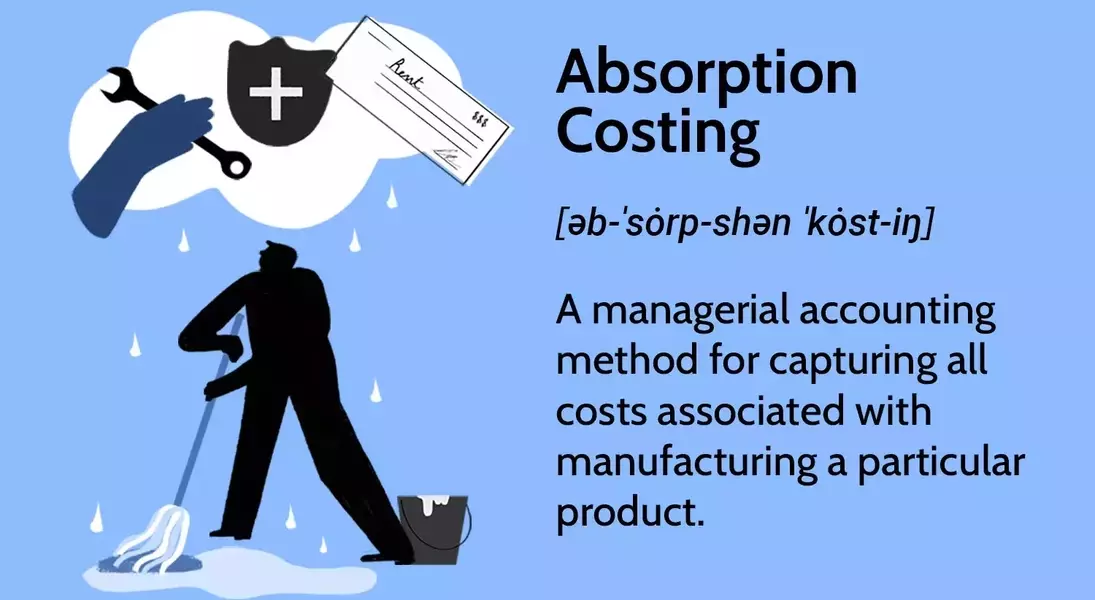
Absorption costing, or full costing, is an accounting approach that incorporates all manufacturing expenses, both direct and indirect, into the cost of a product. This method is crucial for financial reporting under generally accepted accounting principles (GAAP) and provides a holistic view of production costs, which can influence reported profits, particularly when inventory levels fluctuate.
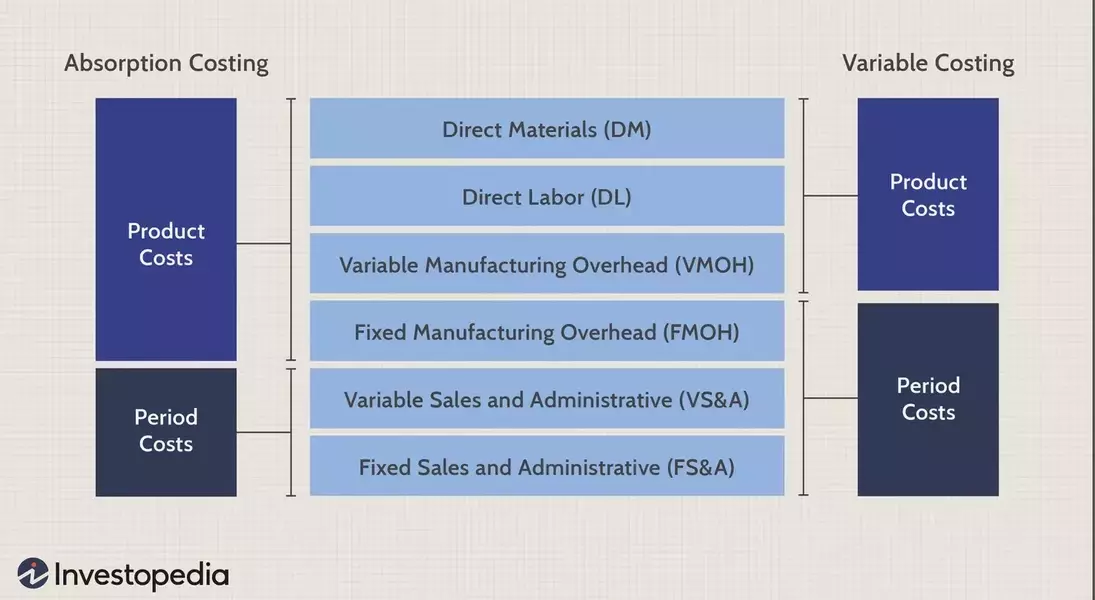
This accounting technique meticulously allocates every cost associated with production to the manufactured goods. Unlike variable costing, which only accounts for direct costs, absorption costing encompasses direct materials, direct labor, variable manufacturing overhead, and fixed manufacturing overhead. By doing so, it ensures that each unit produced bears a proportional share of all associated expenses. For example, if a company incurs $100,000 in direct materials, $50,000 in direct labor, $30,000 in variable overhead, and $80,000 in fixed overhead to produce 10,000 units, the absorption cost per unit would be $26. This comprehensive cost attribution means that fixed overhead costs, such as rent and insurance, are not immediately expensed but are instead capitalized within unsold inventory on the balance sheet.
A significant difference between absorption and variable costing lies in their treatment of fixed overheads. Variable costing expenses fixed costs in the period they are incurred, which can provide clearer insights for internal decision-making processes by highlighting incremental production costs. However, for external financial reporting, GAAP mandates the use of absorption costing. This is because absorption costing aligns expenses more accurately with revenue recognition, as costs are recognized only when the goods to which they are attributed are sold. While this compliance is a major advantage, absorption costing can also lead to higher reported profits when inventory levels increase, as a portion of fixed costs is deferred in unsold stock. Conversely, it might incentivize overproduction, which could lead to excessive inventory.
Ultimately, absorption costing offers a detailed view of total production costs, making it indispensable for external financial reporting and tax purposes. However, businesses should be aware of its potential to influence reported income and inventory valuations. While it provides a complete picture for stakeholders, it may not always be the most suitable method for internal pricing strategies or cost control. Managers need to weigh these factors carefully, considering both compliance requirements and the implications for operational decision-making.
