
Discovering exceptional chef's knives that don't break the bank is a culinary quest many home cooks embark on. This comprehensive guide navigates the world of affordable kitchen cutlery, focusing on models under $100 that deliver remarkable performance. It offers a detailed comparison between budget-friendly options and their high-end counterparts, dissecting the elements that truly impact a knife's quality and functionality. From superior steel to ergonomic handles, we explore what makes a knife a valuable asset in any kitchen. Additionally, the article provides practical advice on maintaining your knives, ensuring they remain sharp and effective for years to come. Whether you're a seasoned chef or a cooking novice, this resource will help you make an informed decision, proving that an indispensable kitchen tool can indeed be both high-quality and economical.
Mastering Culinary Cuts Without Breaking the Bank: Your Guide to Affordable Excellence in Chef's Knives
The Essential Kitchen Companion: Why a Quality Chef's Knife Matters
The chef's knife stands as an unrivaled cornerstone in any kitchen, essential for countless culinary preparations. While trends in kitchen gadgets come and go, the fundamental act of preparing ingredients begins with a reliable knife. The notion that quality must equate to exorbitant prices is often challenged, especially when considering such a frequently used tool. This exploration seeks to bridge the gap between perceived value and actual performance, identifying chef's knives that offer exceptional utility without the premium cost.
Distinguishing Value: Inexpensive vs. Premium Chef's Knives
When considering the investment in a chef's knife, understanding the nuances between a $50 model and a $300 one is crucial. The cost disparity often reflects differences in steel composition, the intricate process of handle construction, and the overall aesthetic finish. Higher-priced knives might boast proprietary steel blends and elaborate craftsmanship, but this doesn't automatically translate to superior everyday performance. The objective is to identify knives that, despite their lower price point, incorporate high-carbon stainless steel for an optimal balance of hardness and corrosion resistance, ensuring a sharp and durable edge that stands the test of rigorous use.
The Anatomy of a Budget-Friendly Blade: Key Quality Indicators
Several critical attributes define a quality chef's knife, irrespective of its cost. The inherent properties of the steel—balancing hardness for edge retention with corrosion resistance for longevity—are paramount. The knife's construction, particularly the tang (how the blade extends into the handle), contributes significantly to its balance and durability. A full tang, where the blade's metal runs the entire length of the handle, generally indicates a more robust and well-balanced tool. While aesthetic refinements like hand-carved handles or ornate Damascus patterns can elevate the price of premium knives, utilitarian designs in budget options can still deliver excellent performance if these core structural and material qualities are present.
Top Selections: Unveiling High-Performing Affordable Chef's Knives
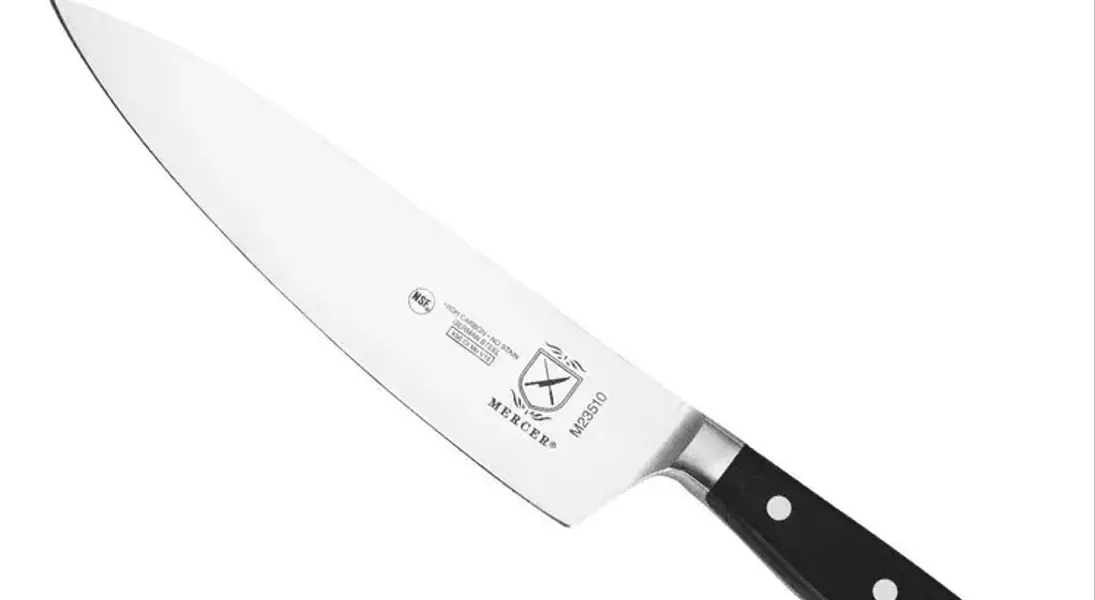
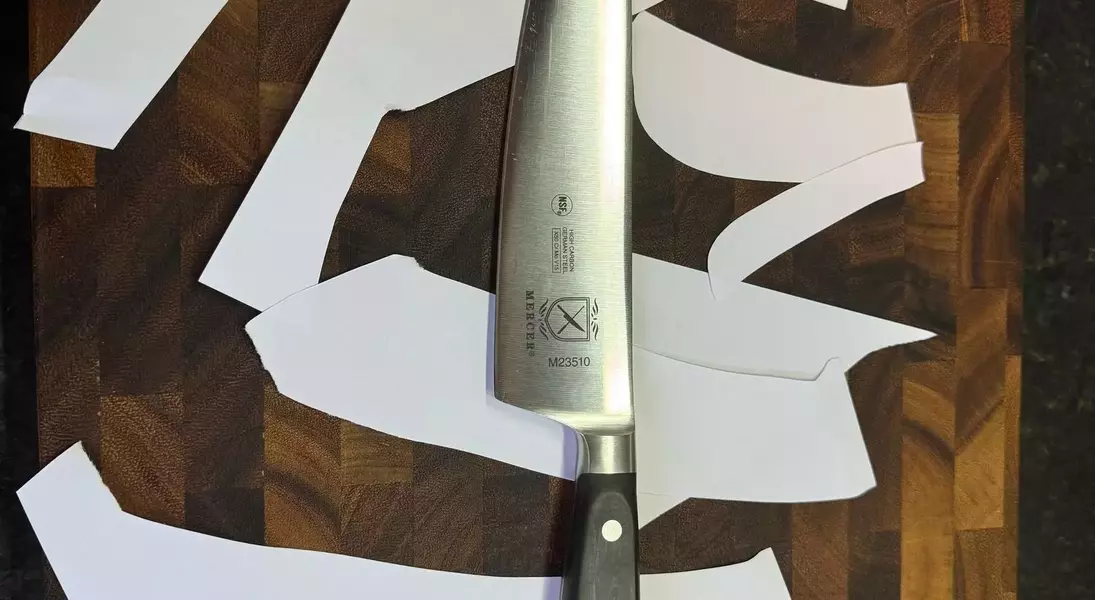
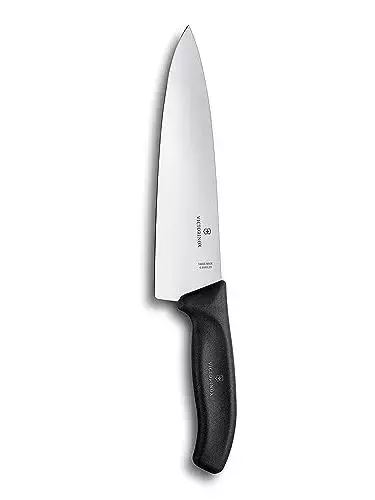
Among the myriad of options available, certain chef's knives under $100 consistently emerge as leaders in performance and value. The Mercer Culinary Renaissance 8" Chef’s Knife is highly praised for its solid construction and balanced feel, excelling in demanding tasks like chopping hard vegetables while maintaining its sharpness. The Victorinox Swiss Classic 8" Chef’s Knife, known for its lightweight design and initial sharpness, is a practical choice for delicate tasks and a resilient supplementary knife that tolerates less meticulous care. These selections demonstrate that functionality and reliability are accessible without a significant financial outlay.
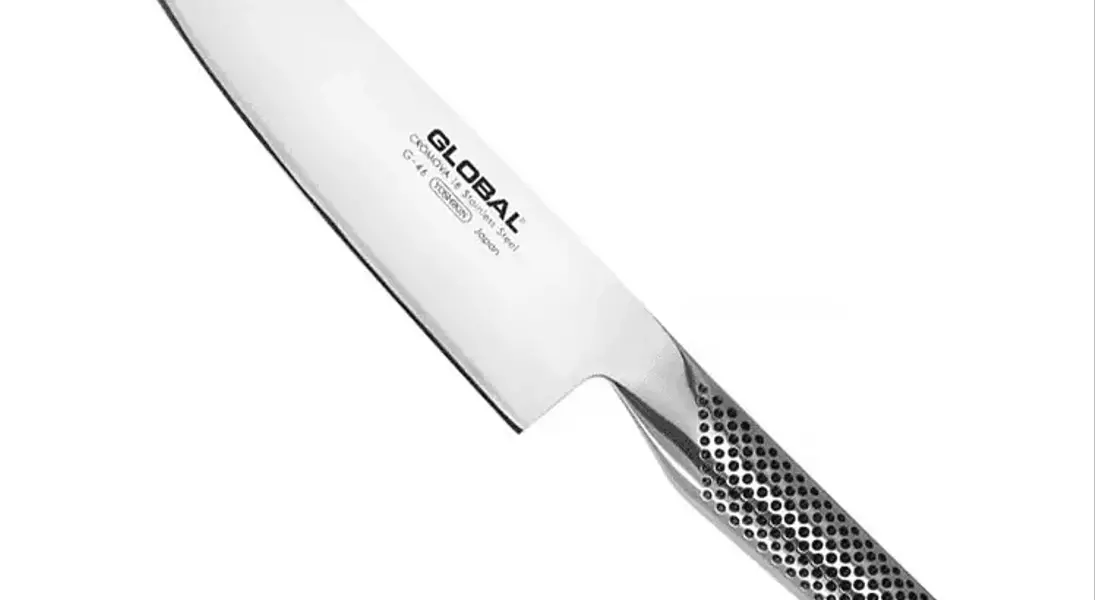
Global Chef's Knife, 7" Blade, Japanese Stainless Steel: Precision and Balance for Smaller Hands
The Global Chef's Knife, specifically the 7-inch variant, offers a unique blend of Japanese stainless steel quality and an innovative balance system. Its hollow handle, filled with sand, perfectly distributes weight, providing a lighter and more agile feel, particularly beneficial for individuals with smaller hands. This design, while not full-tang, ensures exceptional balance and performance in sharpness and durability tests. Despite its slightly higher price point, the 7-inch model falls within the budget category and offers a premium cutting experience, albeit with a consideration for its metal handle which can become slippery if hands are wet.
Other Noteworthy Inexpensive Chef's Knife Choices
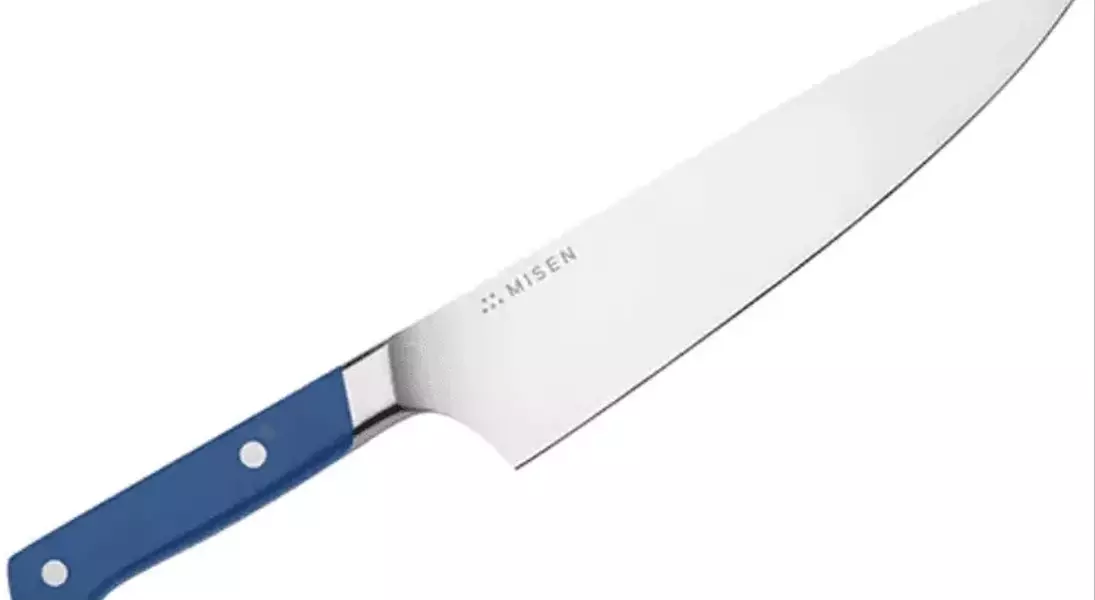
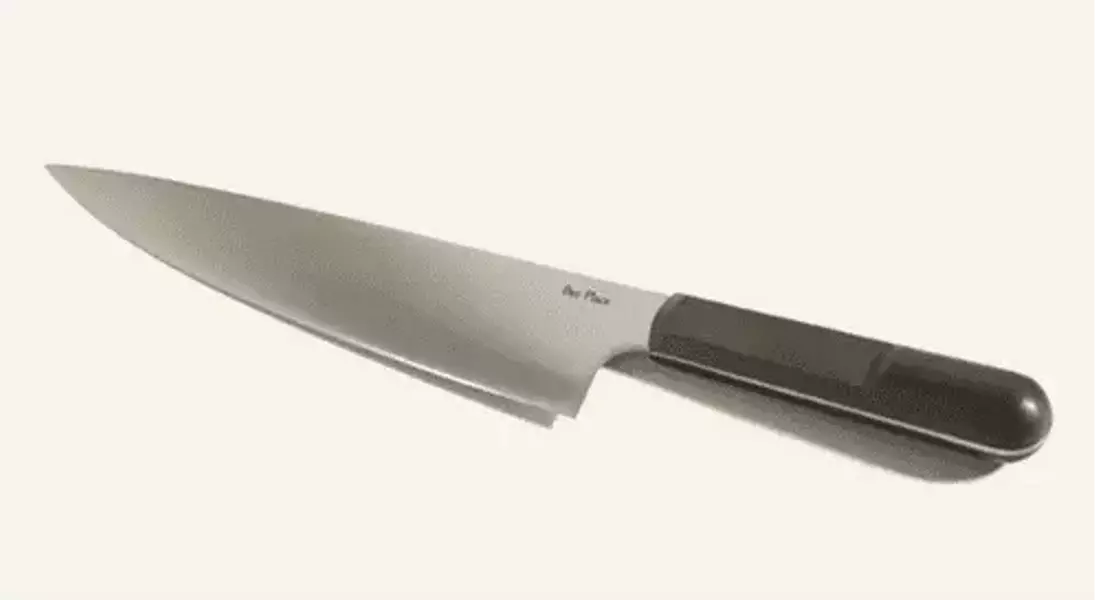
Beyond the primary recommendations, other affordable chef's knives offer compelling value. The Misen Chef’s Knife, with its hybrid Western and Japanese blade profile, strikes a commendable balance for various chopping tasks, proving agile for both fine and robust cuts. The Our Place Everyday Chef’s Knife appeals to those who favor a Western-style knife with a prominent curve, offering good balance in a full-tang construction, though its handle design may not suit all hand sizes. For enthusiasts of visually striking blades, the Quince Essential Japanese Damascus Steel 8" Chef’s Knife combines aesthetic appeal with solid performance, featuring sharp, full-tang construction within the budget. These alternatives provide diverse options, catering to different preferences while adhering to a sub-$100 price point.
Knives That Didn't Quite Make the Cut: Lessons in Value
In the extensive evaluation process, some knives, despite their brand recognition or attractive price, failed to meet essential performance criteria. The Kai KAI AE2908 Gyuto Knife and the Henckels Classic Razor-Sharp 8-inch Chef Knife, for instance, exhibited issues with balance, cutting ability, or overall material quality that diminished their practical value. Similarly, the Wüsthof 8" Gourmet Chef's Knife, a stamped rather than forged blade, lacked the necessary sharpness and balance for effective use. These examples underscore the importance of looking beyond brand names and price tags, emphasizing that genuine value lies in a knife's fundamental construction and performance.
Maintaining Your Affordable Blades: Ensuring Longevity and Performance
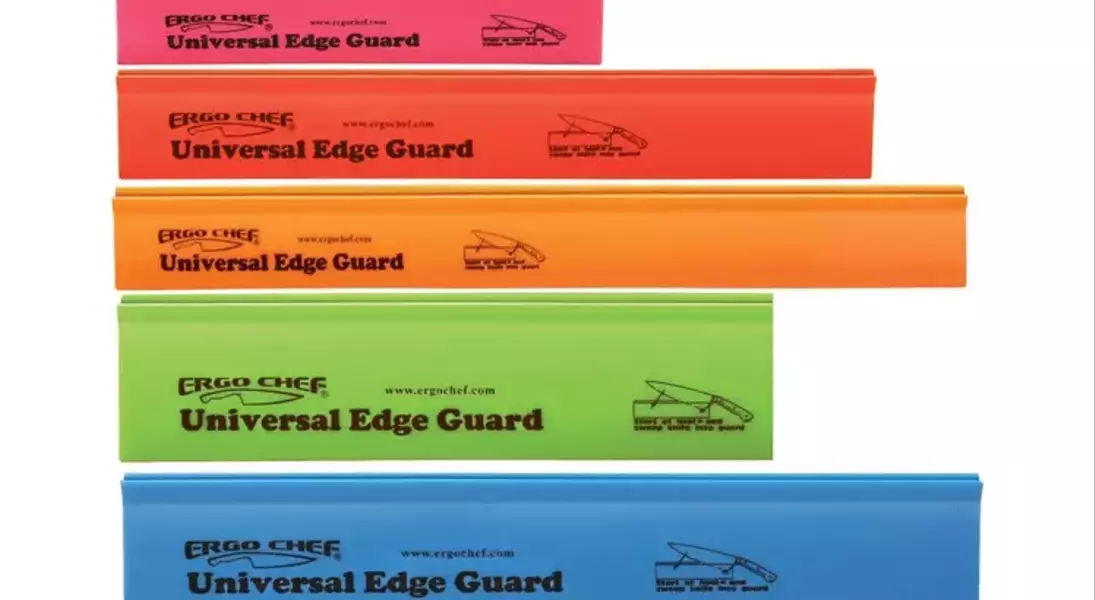
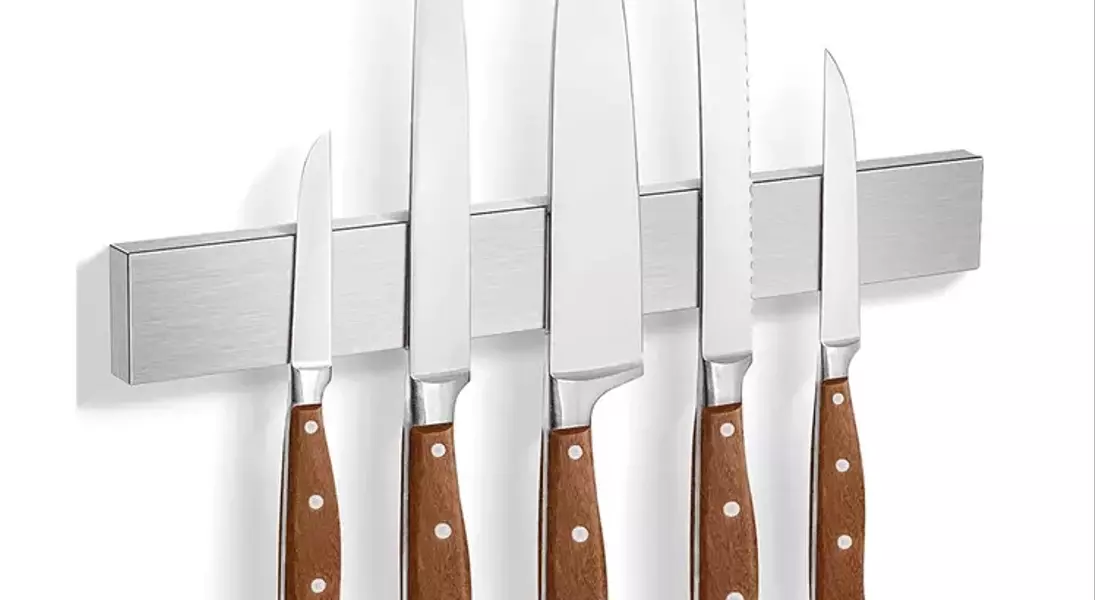
To maximize the lifespan and effectiveness of an inexpensive chef's knife, adopting proper care practices is essential. Correct storage, such as using a magnetic knife block or protective sheaths, prevents blade dulling and damage. Immediate hand washing and thorough drying after each use are crucial to avoid corrosion and maintain the edge, contrasting with dishwasher use which can prematurely dull the blade. Regular honing between sharpening sessions helps preserve the knife's keen edge, and utilizing appropriate cutting surfaces like wood, bamboo, or rubber boards further protects the blade from unnecessary wear, ensuring your knife remains a reliable kitchen companion.
