In the world of fashion, each season brings its own set of surprises. This year's fashion month was no exception, showcasing a range of unconventional and thought-provoking trends that left both critics and audiences intrigued. From unexpected accessories to avant-garde designs, designers pushed boundaries with creativity and innovation. Among the notable trends were the use of shopping bags as fashion statements and garments that restricted movement in unique ways. These elements not only captured attention but also sparked discussions on consumerism and identity.
Details of the Unusual Fashion Trends
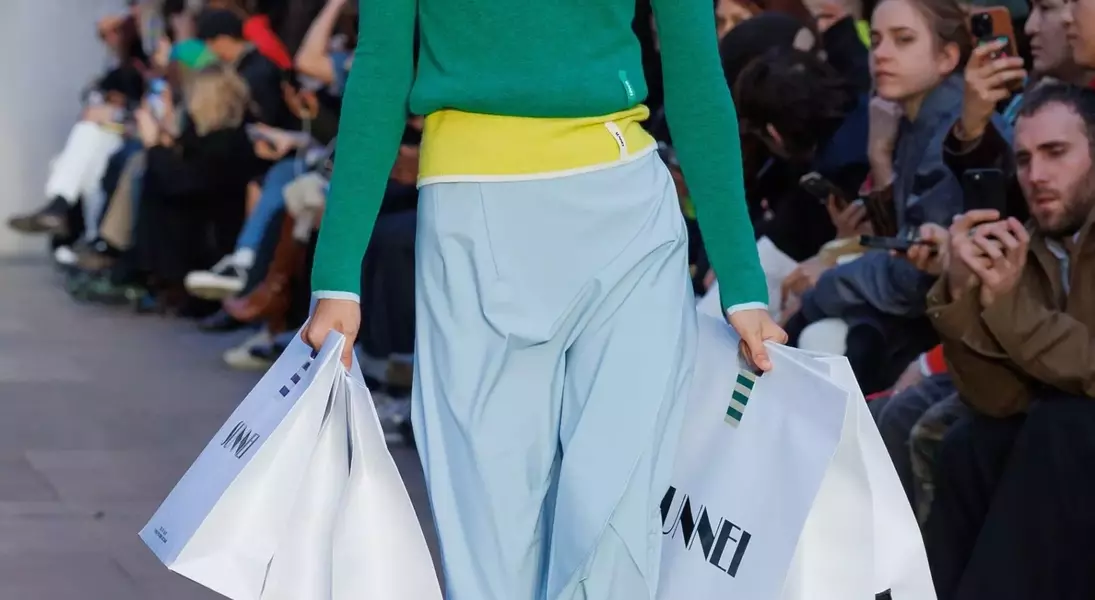
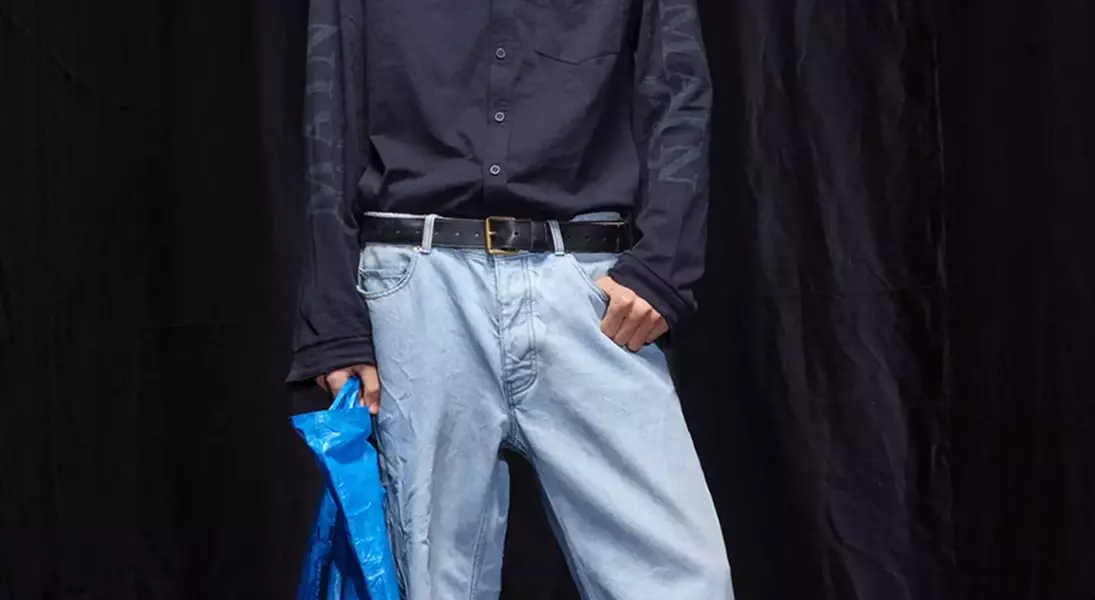
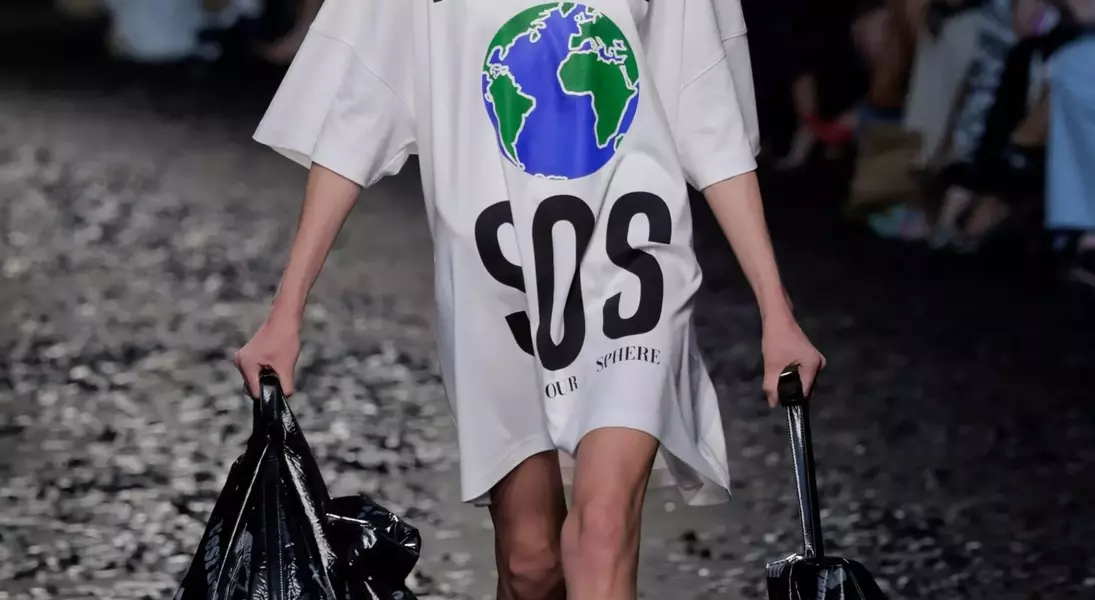
In the vibrant and dynamic atmosphere of fashion week, designers from various houses introduced striking and unconventional concepts. During the autumn shows, models strutted down runways carrying paper and plastic shopping bags, an unusual yet compelling sight. Brands like Balenciaga and Moschino embraced this trend, turning everyday items into high fashion. The inclusion of these bags seemed to comment on the relationship between fashion and consumer culture. Meanwhile, Sunnei, having just inaugurated a new store in Milan, cleverly integrated their brand into the runway experience by having models carry branded paper bags as they exited through the shop.
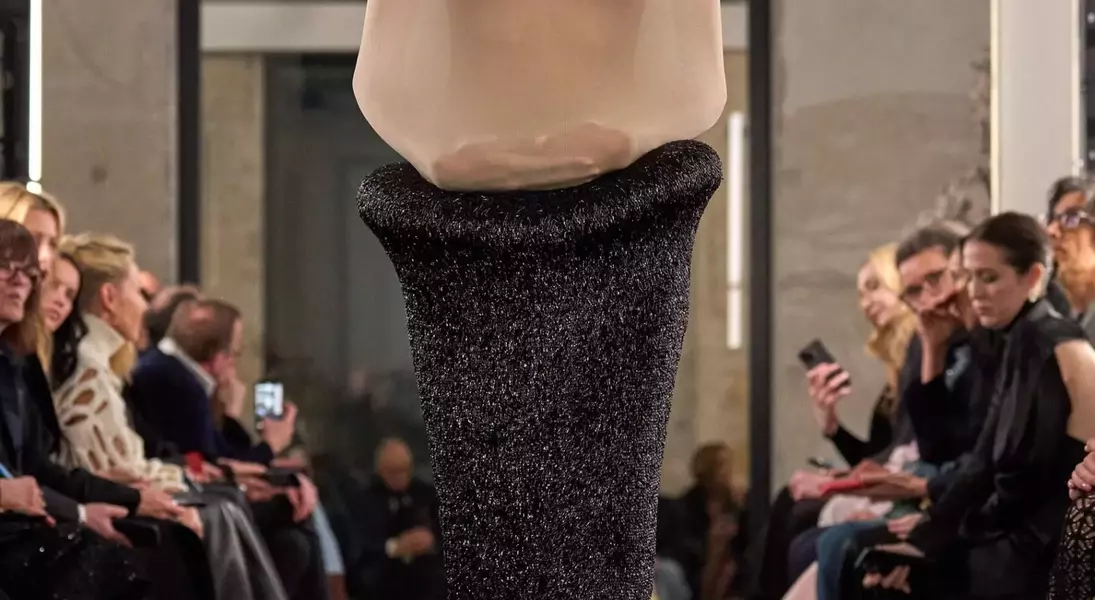
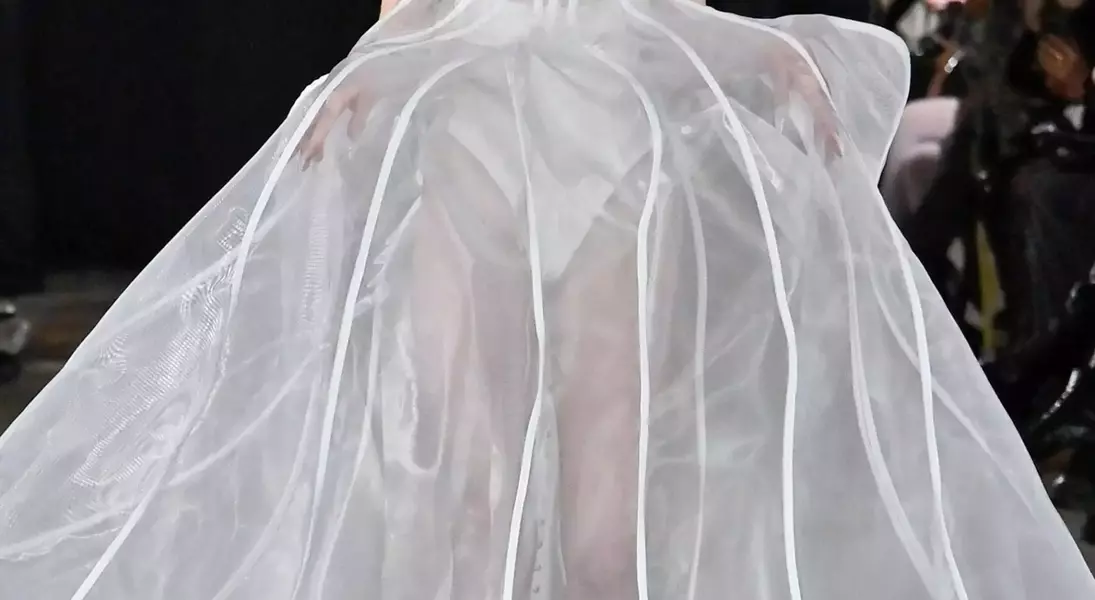
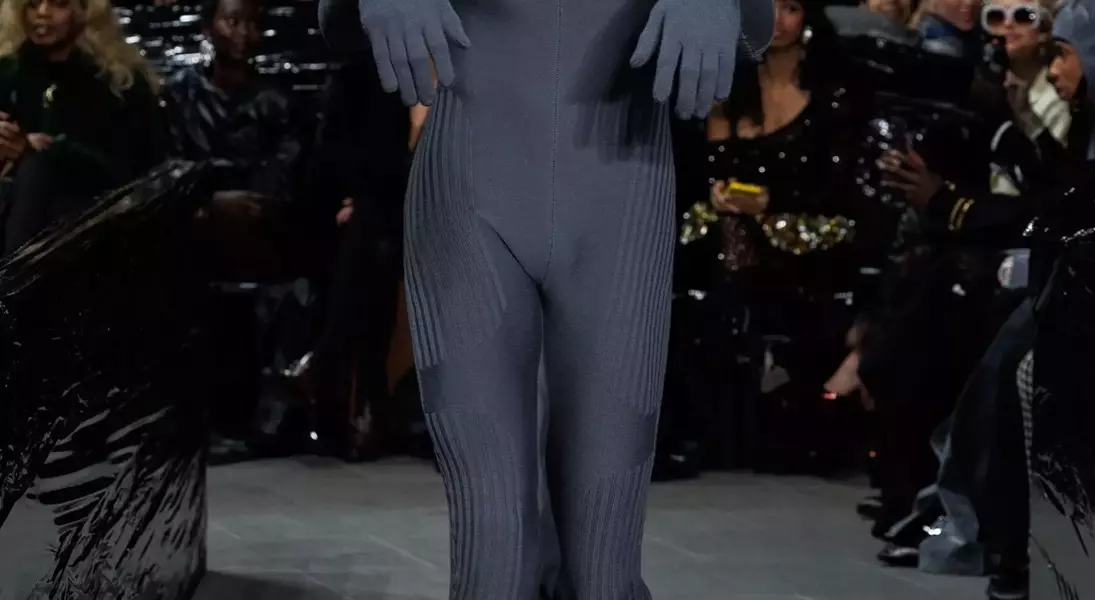
Another remarkable trend involved garments that manipulated the human form. Designers such as Luar and Weinsanto presented outfits that constricted the models' hands and arms, creating distorted and expressive poses. This design choice evoked a sense of tension and restriction, drawing parallels to societal norms and personal identity. At Luar, designer Raul Lopez drew inspiration from his experiences growing up as a closeted gay individual, exploring how hand gestures can symbolize hidden aspects of one's identity. The result was a powerful statement on self-expression and societal expectations.
These innovative designs not only challenged traditional notions of beauty and functionality but also invited deeper reflection on the role of fashion in our lives.
From a journalist’s perspective, these trends offer a fresh lens through which we can examine contemporary issues. The use of everyday objects like shopping bags highlights the pervasive influence of consumerism in modern society, while the constriction of body parts prompts us to consider the pressures and limitations imposed by societal standards. Ultimately, fashion serves as a medium for expression and commentary, encouraging us to look beyond surface-level aesthetics and engage with deeper cultural narratives.
