The luxury landscape is experiencing a dynamic transformation as soaring prices for precious metals encourage designers to explore alternative, expressive mediums. Rather than relying solely on classical gold or platinum settings, contemporary creators are embracing unconventional elements such as hand-blown glass, finely carved woods, and delicate porcelain. This evolution reflects a growing appetite for bold, sculptural aesthetics and unique tactile experiences within high fashion. From prominent runway showcases featuring glass chokers to artisanal collections incorporating porcelain accents, modern jewelry is expanding its boundaries. Collectors are increasingly seeking pieces that offer compelling artistic narrative and distinctive individuality, signaling a major paradigm shift toward innovative craftsmanship where imagination and texture matter far more than raw commodity weight.
Furthermore, this artistic movement aligns with shifting consumer perspectives that value emotional resonance, sustainability, and creative freedom. Incorporating organic and artisanal elements allows jewelers to construct larger, more dramatic silhouettes without being constrained by the economic volatility of standard luxury resources. Historic traditions of glasswork and woodwork are being revitalized with modern flair, creating pieces that evoke deep personal connections and earthy elegance. Designers celebrate these materials for their ability to capture light, retain warmth, and mimic organic structures. Ultimately, the fusion of unexpected elements with fine craftsmanship marks a vibrant era in accessory design, proving that true luxury lies in creative vision, master artistry, and authentic personal self-expression.
Economic Shifts Drive Creative Innovation with Organic Materials
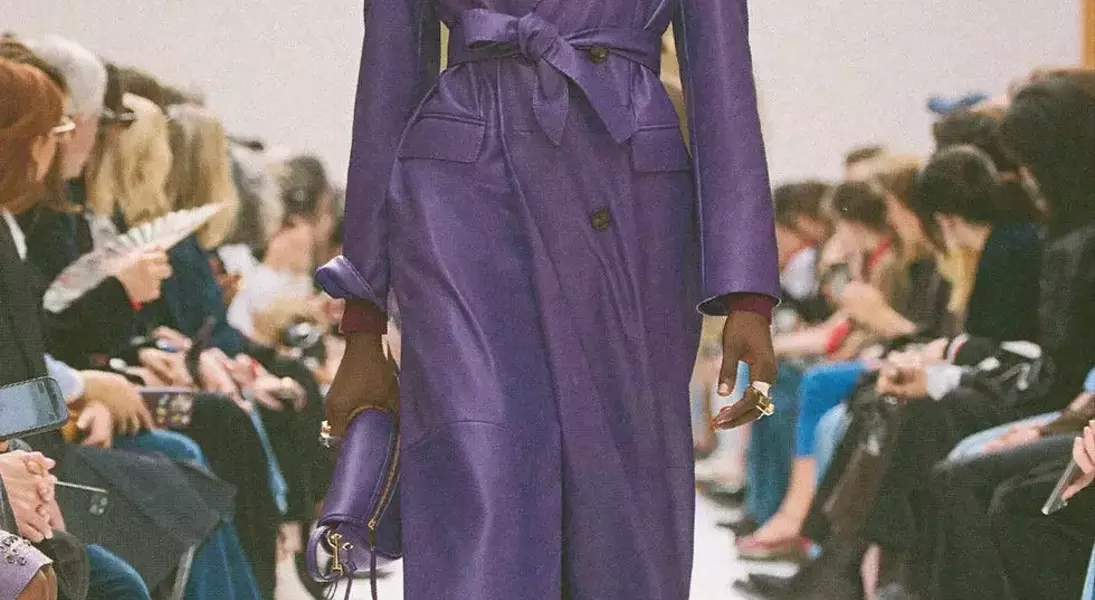
The financial reality of skyrocketing gold valuations has fundamentally altered how luxury accessories are conceived, produced, and consumed across the global fashion ecosystem. As classical bullion reaches historic pricing barriers, industry leaders and independent artisans are actively pivoting toward rich, tactile alternatives that provide high visual impact without astronomical material costs. This economic dynamic has ignited an extraordinary wave of creative experimentation, prompting designers to explore materials once considered humble or unconventional for fine accessories. Wooden pendants, blown glass ornaments, and sculpted porcelain elements are now taking center stage on major international runways and in luxury boutiques. Rather than viewing these non-traditional resources as compromises, visionary creators see them as opportunities to push artistic limits, enabling larger silhouettes and intricate sculptural forms that would be prohibitively expensive in solid precious metals. Consequently, style enthusiasts and collectors are enthusiastically adopting these innovative creations, recognizing that emotional appeal, craftsmanship, and aesthetic distinction hold far greater significance than conventional intrinsic value. This shift is reshaping consumer expectations and establishing a fresh definition of modern elegance.
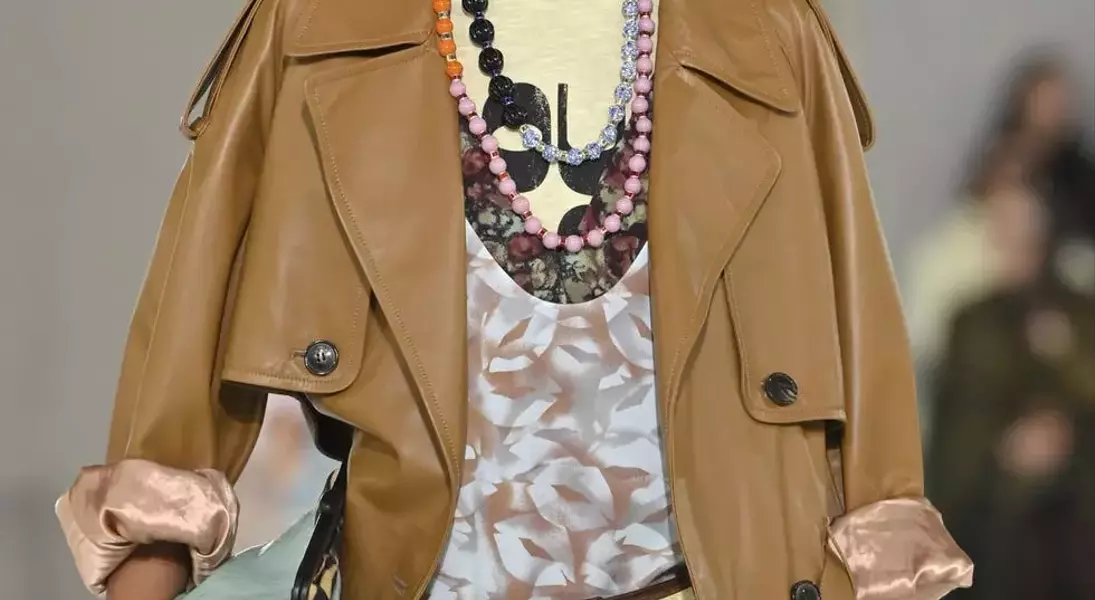
Historically, non-metallic substances have played vital roles in decorative adornments across various global cultures, but their current resurgence within high fashion reflects a sophisticated modern renaissance. Renowned design houses are pairing carved dark timbers with glittering gemstones, blending earthy warmth with timeless brilliance to produce striking aesthetic contrasts. The natural grain and inherent warmth of timber bring an organic, grounded energy to jewelry, offering wearers a deeply intimate connection to nature that metallic surfaces cannot replicate. Designers frequently highlight how working with wood grants them total freedom to sculpt broad, dramatic geometries, transforming bangles and oversized charms into wearable works of art. Simultaneously, porcelain is earning widespread acclaim for its smooth finish and historical prestige, featuring prominently in collaborative lockets, layered chains, and tactile garments that captivate both sight and touch. The deliberate integration of these versatile elements allows creators to weave historical storytelling into contemporary fashion, bridging ancient artistic traditions with modern sensibilities. Moreover, consumers are increasingly drawn to the unique, one-of-a-kind characteristics inherent in handcrafted natural materials, where minor variations in grain or hue render every item uniquely personal. By challenging long-held definitions of luxury, this movement empowers individuals to curate distinctive collections that highlight creative expression over pure monetary value.
Sculptural Glass and Artisan Craftsmanship Lead Modern Jewelry Trends
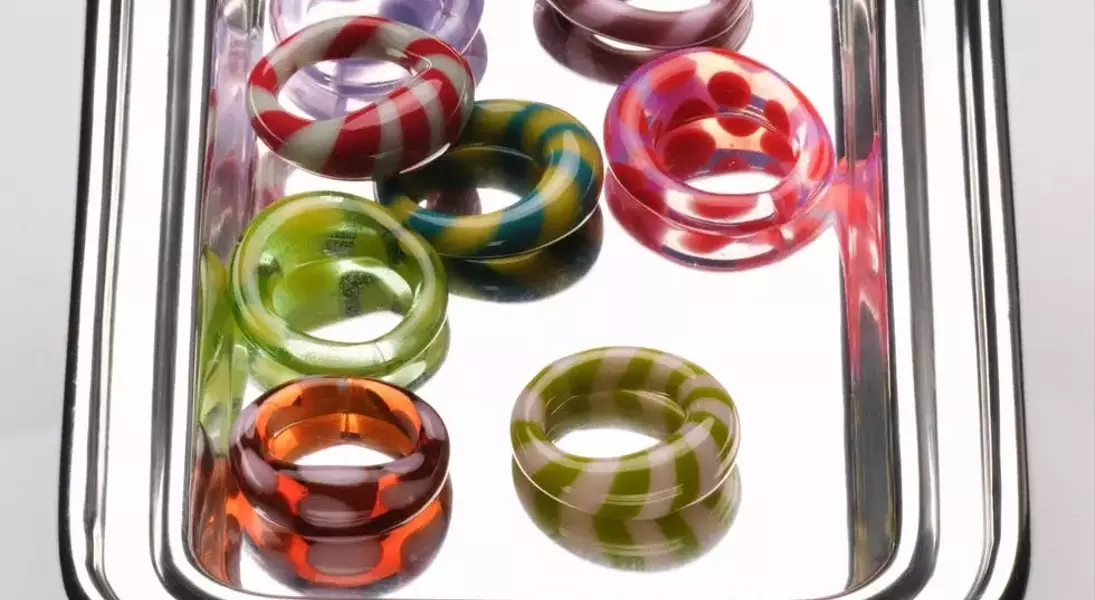
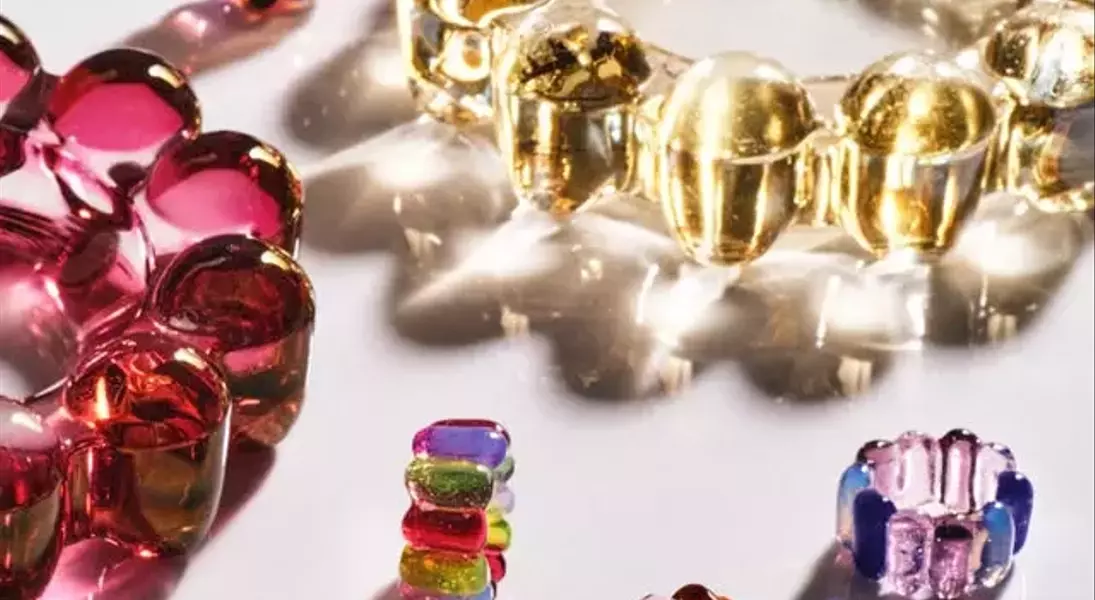
Among the diverse range of alternative elements capturing the industry's imagination, glass stands out as an exceptionally versatile and expressive medium for contemporary adornment. Glassmaking holds an ancient legacy dating back thousands of years, yet modern studio jewelers are radically reinventing its possibilities through innovative shapes, vivid hues, and complex light-refracting textures. Made-to-order glass rings, fluid arm cuffs, and translucent pendants allow light to interact directly with the body, creating dynamic visual effects that shift continuously throughout the day. Master glass artisans leverage the fluid nature of molten silica to craft seamlessly smooth, ergonomic designs that feel entirely organic against the skin. Unlike rigid metallic structures, glass can effortlessly imitate a wide spectrum of visual textures—from icy translucency to deep, opaque coloration—giving designers an unmatched toolkit for artistic exploration. As a result, glass adornment has transitioned from a niche craft into a celebrated pillar of avant-garde fashion, winning over fashion editors, tastemakers, and discerning buyers who appreciate the delicate balance of structural strength and ethereal transparency.
The expanding popularity of glass and non-precious media also signifies a wider cultural movement toward conscious, expressive style that prioritizes artistic voice over mere status symbols. Artisans devoted to glasscraft emphasize that the true beauty of the medium lies in its endless adaptability and fluid metamorphosis, enabling complex geometries that remain virtually impossible to duplicate in conventional gold or silver settings. Through precise temperature control and master hand-blowing techniques, creators produce fluid, petal-like rings and swirling bangles that serve as miniature sculptures. Beyond aesthetics, many jewelry lovers view these creations through a spiritual or emotional lens, attributing grounding qualities and energetic symbolism to raw natural elements in much the same way traditional gemstones have been revered for centuries. The tactile joy of wearing light-filtering glass or hand-carved wood fosters a deeper, more mindful relationship between the wearer and their personal ornament. Looking ahead, the continued adoption of these non-traditional materials guarantees that the future of accessory design will remain fiercely creative, inclusive, and unbounded by tradition. Fashion lovers are embracing this new paradigm with enthusiasm, recognizing that true luxury is defined not by market indexes, but by the passion, imagination, and artistic mastery woven into every single piece.