
This report provides a thorough examination of the ongoing saga concerning Alexander Isak's future with Newcastle United. It navigates the intricate web of speculation, official statements, and behind-the-scenes insights that characterize high-stakes football transfers. The article aims to unravel the various perspectives influencing this developing situation, from the club's financial considerations to the player's personal ambitions.
Navigating the Transfer Labyrinth: Isak's Newcastle Conundrum
The Murky Waters of Football Transfers: Separating Truth from Speculation
In the high-stakes world of player transfers, certainty is a rare commodity. Until a deal is officially sealed, the landscape is dominated by narratives and counter-narratives. Clubs often aim to maximize their gains, while acquiring teams seek the best value. This dynamic creates a complex environment where every party guards their interests, leading to a swirl of conflicting information. The motivation behind these veiled negotiations often stems from a desire to control public perception, protect team morale, and secure optimal financial outcomes.
Alexander Isak's Current Status: Facts and Interpretations
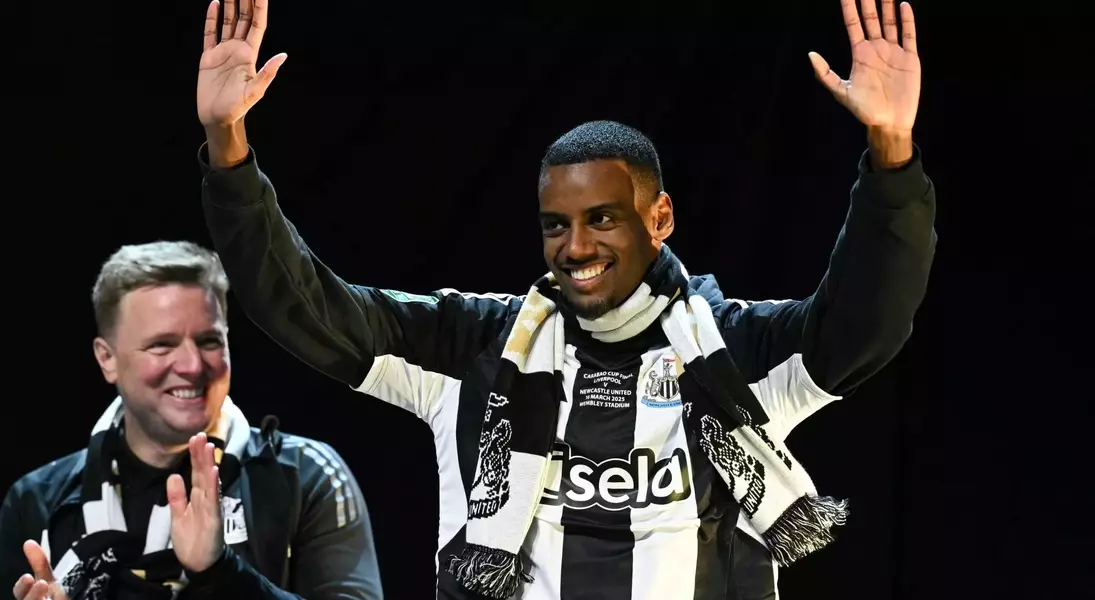
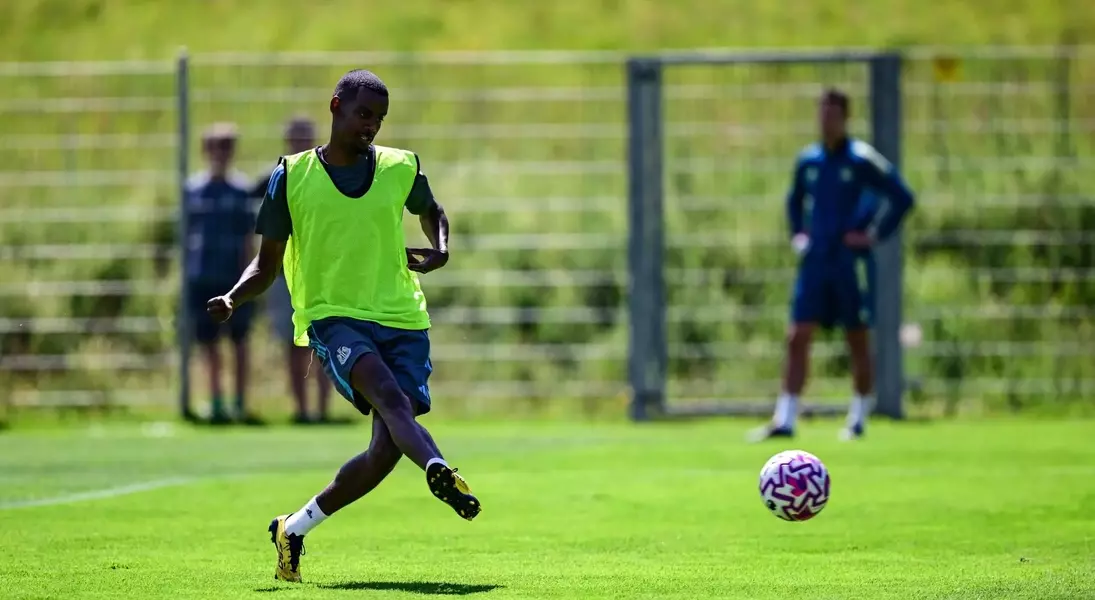
At present, two undeniable facts define Alexander Isak's position: he remains under contract with Newcastle United for three more years, and he did not join the club's pre-season tour in East Asia. Beyond these certainties, a multitude of interpretations cloud the picture. While Newcastle attributes his absence to a minor thigh injury, sources close to Isak suggest his decision not to travel was driven by a desire to leave. This divergence in explanations highlights the complex layers of communication and intention at play.
Newcastle's Official Stance Versus Underlying Realities
Newcastle United's senior management has consistently maintained that Isak is not available for transfer, a message echoed by head coach Eddie Howe. This steadfast stance has been communicated to other clubs during transfer discussions. However, despite these public declarations, the possibility of Isak's eventual sale remains. Howe himself has acknowledged that while his personal wish is for Isak to stay, the ultimate decision rests with the club's board, specifically the Public Investment Fund (PIF), Newcastle's majority owner, whose chairman reportedly holds a particular fondness for the Swedish international.
The Evolution of Newcastle's Player Management and Financial Prudence
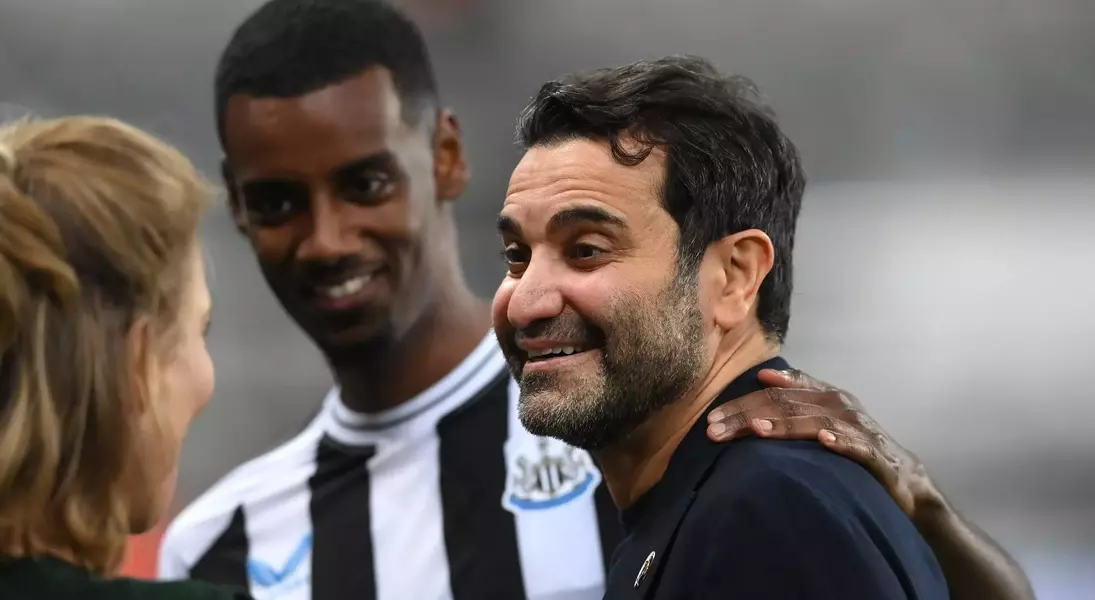
Following their 2021 takeover, Newcastle United experienced a period of significant investment and a close-knit operational style, exemplified by minority owners Amanda Staveley and Mehrdad Ghodoussi's direct engagement with players. Isak's initial acquisition in 2022 was seen as a strategic risk that paid off. However, a shift in approach became apparent in the summer of 2024, driven by the Premier League's profitability and sustainability rules (PSR). The arrival of sporting director Paul Mitchell led to a re-evaluation of the club's 'trading model,' prioritizing financial sustainability. This new paradigm influenced decisions regarding player contracts, including the postponement of Isak's renewal talks, despite his stellar performance, signaling a move towards a more economically-driven strategy.
The Impact of Financial Strategy on Player Relations and Club Morale
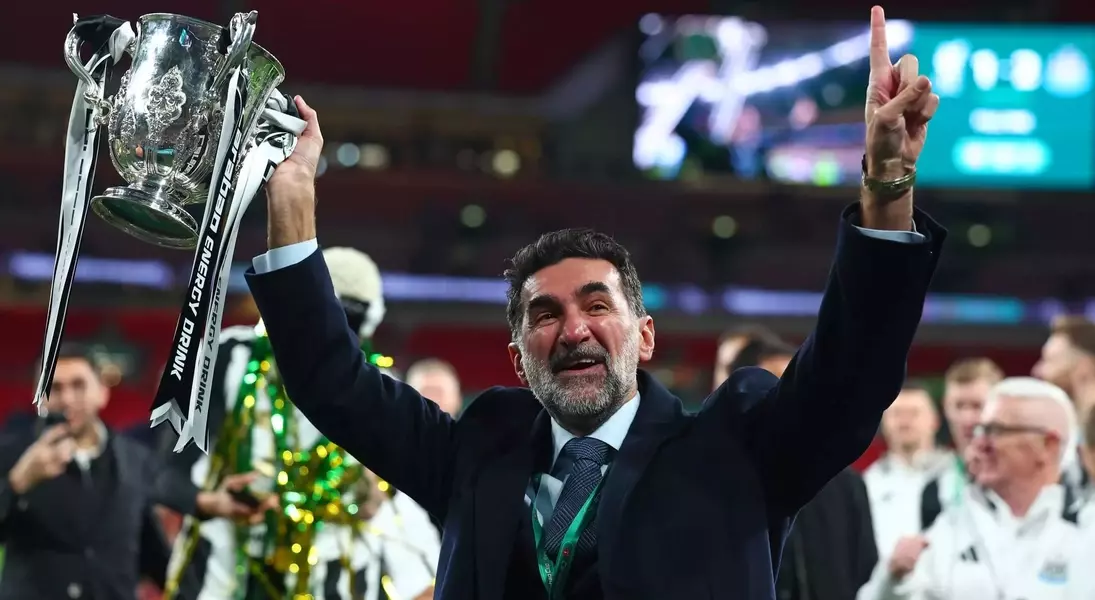
The decision to delay Isak's contract extension, though rooted in financial prudence, marked a significant turning point in the player's relationship with the club. The perceived shift from the 'TLC' approach of the previous era to a more business-like stance led to a hardening of Isak's position. While there was no personal animosity, a clear desire to pursue opportunities at a club capable of competing for top honors and offering commensurate remuneration emerged. This situation, coupled with broader questions about the club's vision and infrastructure, reportedly created a sense of isolation among some players, contributing to a period of inconsistent team performance. Despite these challenges, Newcastle ultimately achieved success, winning the Carabao Cup and securing Champions League qualification, yet the underlying tension surrounding player retention and club identity persists.
