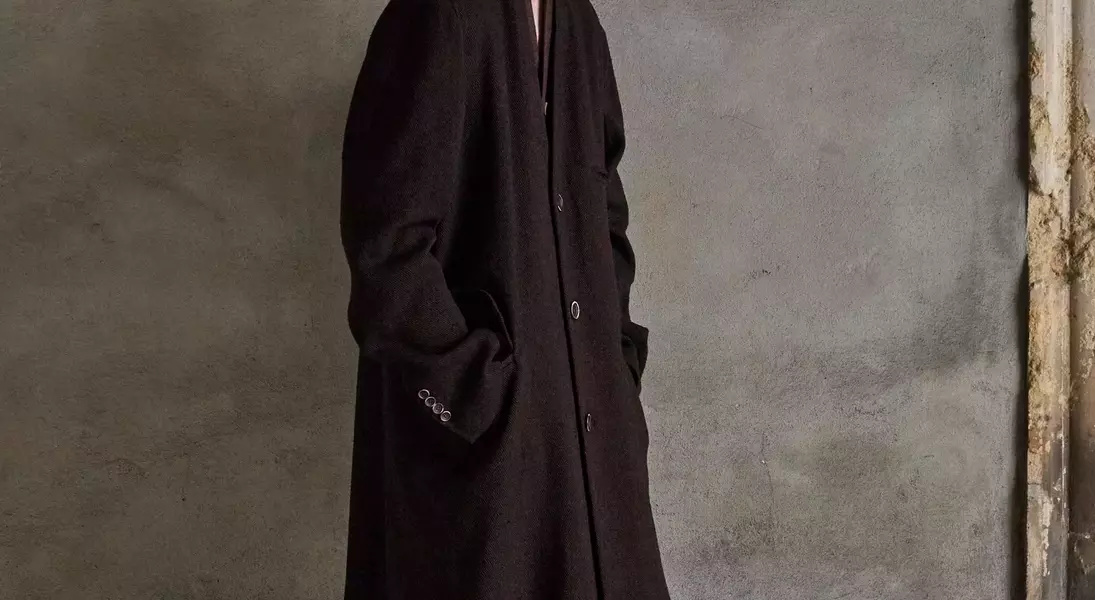
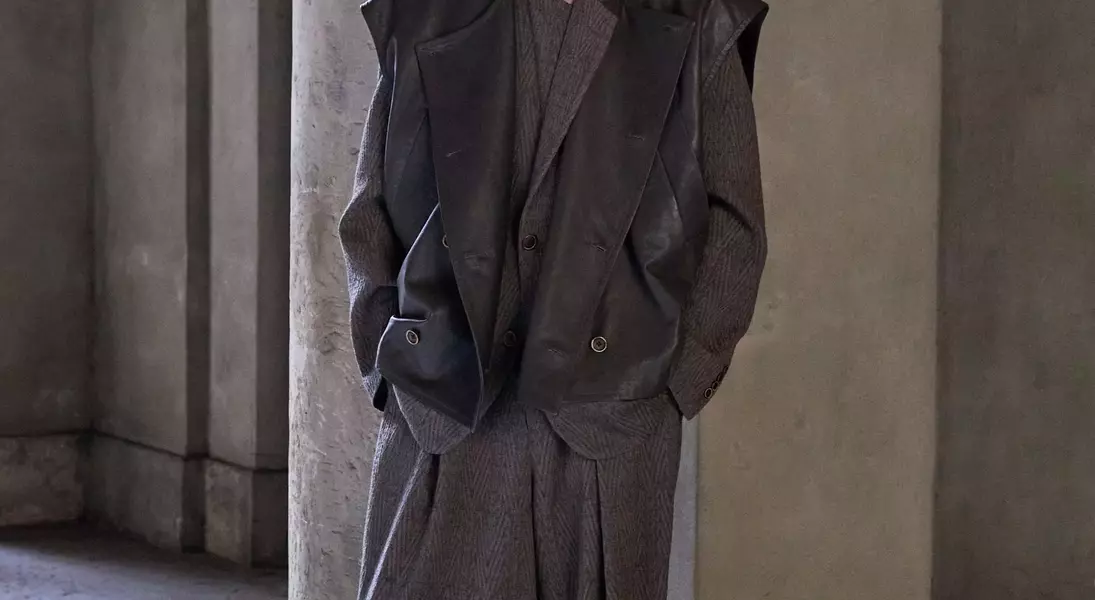
Uma Wang's Fall 2026 menswear collection presents a compelling narrative, deeply rooted in the historical dynamism of 1930s Shanghai. This era, characterized by an energetic blend of free trade, Jazz Age influences, and established Chinese traditions under colonial imposition, served as the primary muse for the designer. Wang's artistic interpretation seeks to capture this pivotal moment where Western modernity first converged with classical Chinese culture, resulting in a collection that is both nostalgic and forward-thinking.
Uma Wang's Fall 2026 Menswear: Bridging Eras and Cultures
In the vibrant fashion landscape of Milan, designer Uma Wang unveiled her Fall 2026 menswear collection, a sartorial journey inspired by the bustling, culturally rich Shanghai of the 1930s. Wang articulated her vision, describing this period as a crucial intersection where the sophisticated influences of the West met the profound heritage of Chinese classical aesthetics. This cross-cultural dialogue is evident throughout the collection, meticulously designed in Shanghai and expertly produced in Italy, reflecting a truly transnational identity.
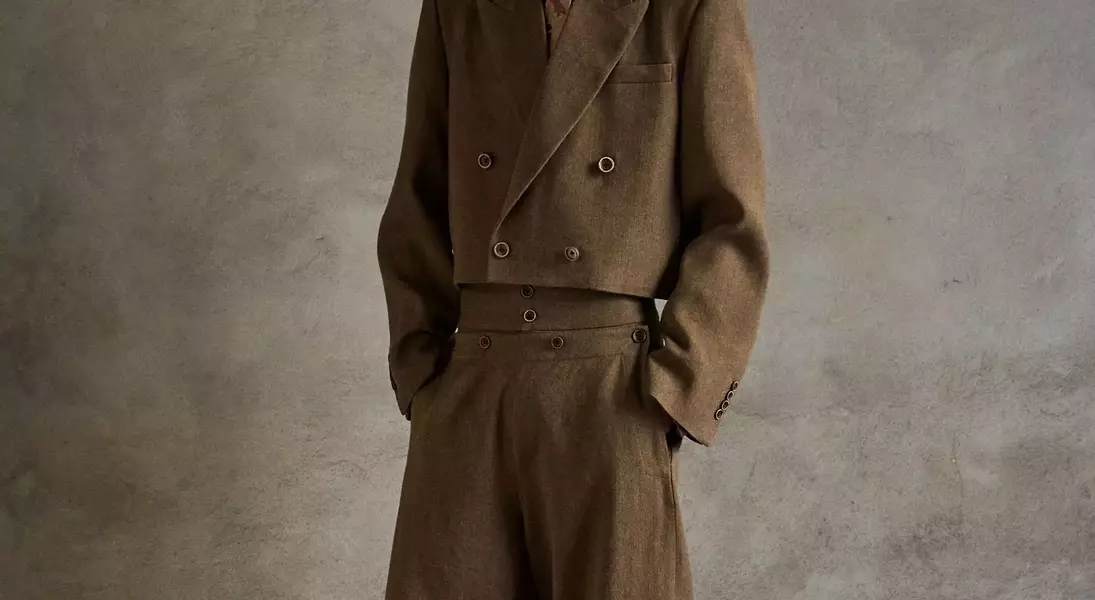
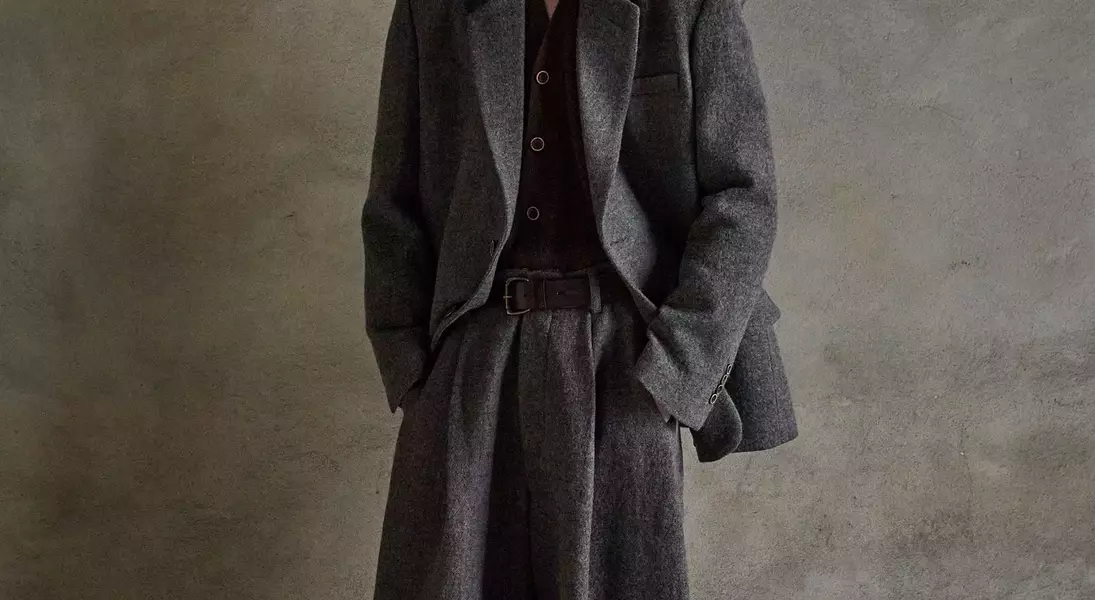
Key accessories, such as the distinctive round-framed eyewear reminiscent of Groucho Marx and narrow-brimmed bowler hats, a collaboration with Horisaki, strategically signaled the collection's historical starting point. Wang reinterpreted Western tailoring traditions, incorporating chalk stripe patterns and the defined structure of double-breasted jackets. These classic forms were then dramatically exaggerated in scale yet simultaneously softened through the innovative use of washed wool and luxurious cashmere blends, creating a harmonious juxtaposition of grandeur and comfort.
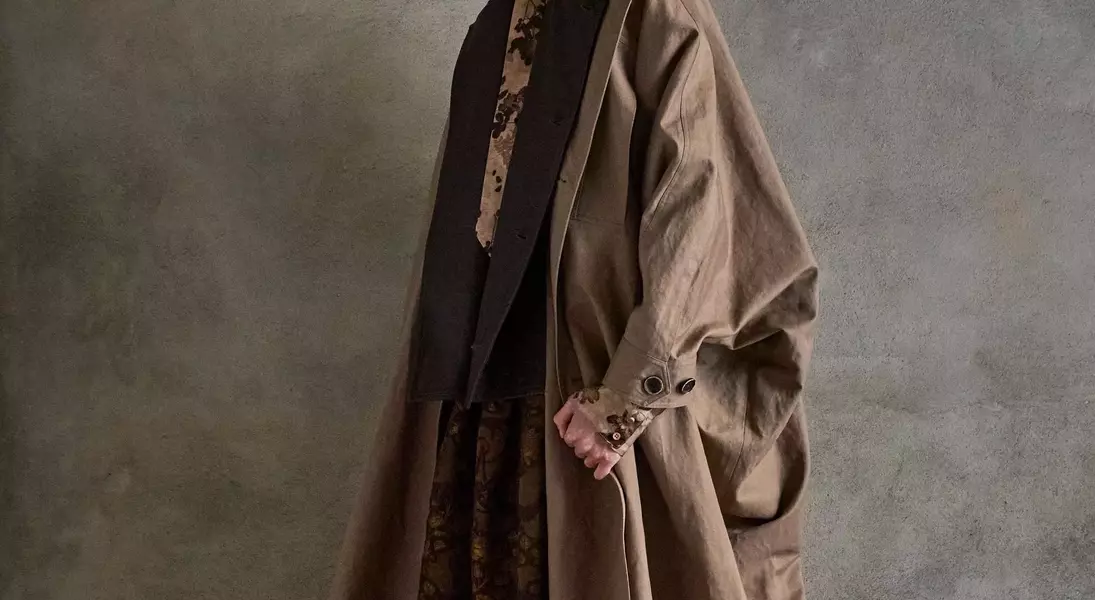
The silhouettes played with proportions, featuring jackets cropped high above the hip, contrasting sharply with trousers cut low below the ankle. This deliberate design choice created an intriguing interplay between the leg break and waistline. Alongside these Western-inspired details, Wang seamlessly integrated Eastern signifiers. Examples include traditional 'pankou' fastenings on workwear jackets crafted from weathered wool, and silky viscose shirts with crumpled finishes or artful prints, completed with asymmetric hand-tie closures.
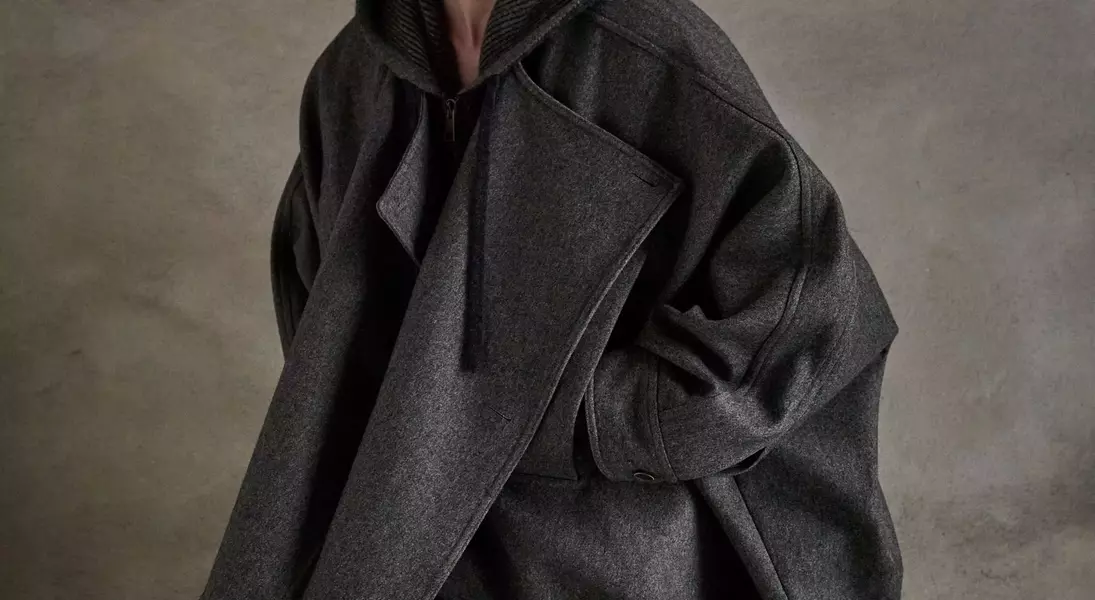
Beyond the direct historical references, the collection also explored more abstract and interpretive pieces. These included generously proportioned caban jackets and sailor pants, softly crumpled collarless robe coats, and double-breasted bomber jackets showcasing irregularly angled herringbone mohair patterns. A notable aspect was the inclusion of numerous beautifully crafted work jackets in washed wools or adorned with intricate floral jacquards. The knitwear segment featured exquisite cashmere and raccoon dog rib-knits, distinguished by subtle, delicately contrasted tonal color details. Unique idiosyncratic touches, such as unbonded double-faced collars on shirting and intentionally frayed contrasting color edging on sweater sleeves, further underscored the collection's thoughtful craftsmanship and distinctive aesthetic.
This collection by Uma Wang is a masterclass in cultural synthesis, demonstrating how historical periods of intense exchange can inspire contemporary design. It prompts a reflection on how economic and cultural openness can foster profound creative innovation, showcasing a menswear aesthetic that is both deeply rooted and globally relevant. The blend of precision tailoring with soft, organic textures invites us to consider the fluid boundaries of identity and style in an increasingly interconnected world.
