






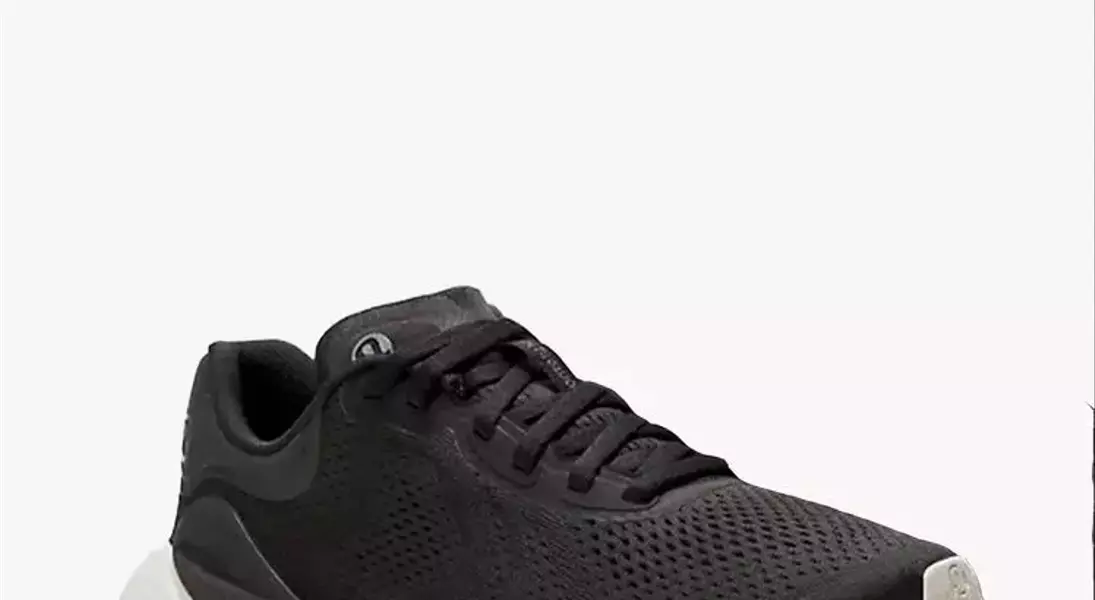
Finding the ideal running shoe is a highly personal journey, essential for both comfort and peak performance. With a diverse array of choices on the market, understanding key features like arch support, cushioning, and breathability becomes paramount. This comprehensive guide simplifies the decision-making process, offering expert advice and highlighting top models tailored to specific running styles and preferences, whether you're a beginner or an experienced marathoner.
This article aims to assist women in selecting the perfect pair of running shoes by addressing critical considerations such as pronation, heel drop, and durability. Featuring recommendations from seasoned fitness journalists, running coaches, and dedicated athletes, it provides a curated list of footwear designed for different running environments—from smooth road surfaces to challenging trails. The goal is to empower runners to make informed choices, ensuring their footwear supports their training goals and promotes overall foot health, allowing them to focus on achieving their best in 2026 and beyond.
Selecting the Ideal Running Footwear
The journey to finding the perfect running shoe begins with understanding your personal running goals and needs. Whether you're aiming to join a local running group or striving for a personal record in a marathon, the purpose of your runs should dictate your shoe choice. Experts emphasize that just as each run serves a specific objective, so too does every running shoe. Key factors to consider include the shoe's size and fit, ensuring ample room in the toe box to accommodate foot swelling during activity, while maintaining a snug fit around the heel and midfoot. Comfort is non-negotiable, as an ill-fitting shoe can lead to discomfort and potential injury during long runs. The type of running surface also plays a crucial role; trail runners require shoes with enhanced traction for uneven terrains, while road runners benefit from cushioning designed to absorb impact on paved surfaces. Understanding your pronation type—neutral, overpronation, or underpronation—is vital for selecting shoes that provide appropriate support, with stability shoes being ideal for those who overpronate. Consulting with specialists or performing a gait analysis can further refine this choice, along with evaluating arch support, heel drop, and the overall durability and breathability of the materials to ensure long-lasting performance and foot health.
When embarking on the quest for the ultimate running shoe, a multitude of elements come into play, extending beyond mere aesthetics. Personal running objectives are the foundational starting point; a shoe perfectly suited for a casual jog might not withstand the rigors of competitive racing. Therefore, assessing your training intensity and frequency is crucial. The structural integrity of the shoe, including its size and fit, is paramount, demanding a careful balance between secure containment and toe freedom, which allows for natural foot expansion during prolonged activity. Comfort, an intrinsic quality, must be prioritized, as it directly impacts your ability to sustain performance and prevent distractions. The environmental context of your runs, be it asphalt or rugged trails, necessitates specific outsole designs—smooth for roads, deeply lugged for off-road adventures. Pronation, or how your foot rolls during impact, is a biomechanical aspect that dictates the level of stability required; a professional gait analysis can illuminate these needs. Furthermore, the degree of arch support, the heel-to-toe drop, and the material's durability and breathability are all technical specifications that collectively contribute to a shoe's suitability. These considerations, ranging from the practical to the physiological, guide the informed decision-making process, ensuring that the chosen footwear harmonizes with your unique running profile and performance aspirations.
Optimizing Performance and Longevity of Running Shoes
To maximize both performance and the lifespan of your running shoes, it's crucial to understand their specialized designs and when to replace them. Running shoes are meticulously engineered for specific environments: road shoes prioritize cushioning and impact absorption on hard surfaces, featuring smooth outsoles for consistent traction. Trail shoes, conversely, are built for rugged terrains, incorporating aggressive lugs and reinforced uppers for enhanced grip, stability, and protection against debris. Racing shoes are distinct, designed for speed with minimal weight and maximum responsiveness, often featuring advanced technologies like carbon fiber plates to boost energy return. Beyond their initial design, the longevity of running shoes is a critical factor. A general guideline suggests replacement every 300 to 500 miles, translating to 6 to 12 months for most regular runners, depending on usage intensity. This recommendation stems from the inevitable breakdown of cushioning and support over time, which compromises shock absorption and stability. Continuing to run in worn-out shoes can lead to decreased performance and significantly increase the risk of injuries. Therefore, it is imperative for runners to monitor their shoes for signs of wear and tear, and to acknowledge any discomfort or reduced support as a clear indication that it’s time for a new pair to maintain optimal performance and foot health.
Understanding the intricate relationship between running shoe design, intended use, and wear is fundamental for any serious runner. Each category of shoe—road, trail, and racing—is meticulously crafted to excel in its specific domain. Road running shoes offer a balance of plush cushioning and a smooth outsole, engineered to mitigate the repetitive impact of concrete and asphalt. Trail shoes are robust, featuring deep, multi-directional lugs and protective elements to grip varied surfaces, from muddy paths to rocky trails, ensuring stability and preventing injury in unpredictable conditions. Racing shoes are the epitome of lightweight efficiency, stripped down to provide explosive energy return and propel athletes forward, often integrating specialized plates for a propulsive feel. However, even the most advanced designs have a finite lifespan. The accepted wisdom dictates replacing running shoes between 300 and 500 miles, a range that typically covers half a year to a full year of consistent use. This mileage threshold isn't arbitrary; it reflects the point at which the midsole foam degrades, the outsole tread diminishes, and the structural support weakens, leading to a noticeable reduction in the shoe's protective capabilities. Neglecting these warning signs and pushing shoes beyond their useful life is akin to driving with bald tires: it compromises safety and performance, making the runner vulnerable to undue stress, pain, and a higher incidence of musculoskeletal injuries. Thus, a proactive approach to shoe replacement, guided by mileage, visible wear, and personal comfort, is essential for sustaining a healthy and effective running regimen.
