This comprehensive review delves into the world of steak knives, revealing that these essential kitchen implements offer far more utility than their name suggests. Based on extensive testing of eleven different sets, this article identifies superior options that excel in sharpness, ergonomic design, affordability, and aesthetic appeal. Whether for cutting through robust cuts of meat or delicate vegetables, the right steak knife can significantly enhance your dining and cooking experience. Beyond initial selection, proper care and maintenance are crucial for preserving the longevity and performance of your knives.
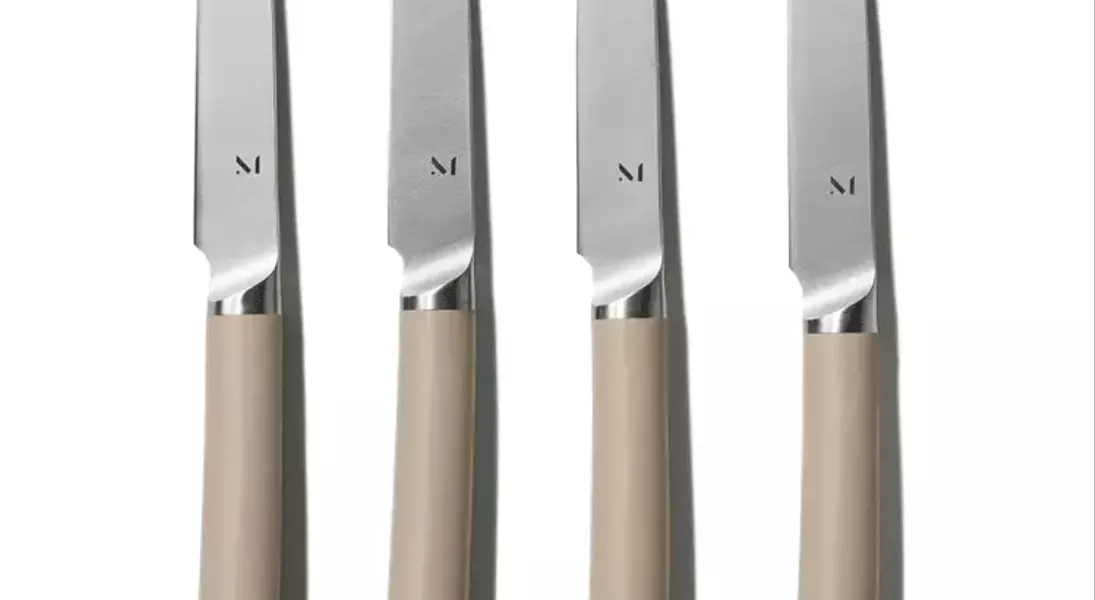
The Material Table Knives emerged as the top performer, celebrated for their exceptional value and versatile functionality. Priced at $110, these knives offer a robust feel and remarkable cutting ability, effortlessly gliding through paper, pork chops, and tomatoes without crushing delicate flesh. Their full tang construction contributes to a high-quality perception, defying their modest price point compared to competitors. The handles, crafted from a smooth composite, provide a comfortable and sturdy grip, making them ideal for daily use. Furthermore, their modern aesthetic and inclusion of a drawer-friendly knife block for safe storage underscore their practical design. While the handles are technically plastic, their appearance and durability are notably superior, offering a sophisticated alternative to higher-priced models like the Shun knives.
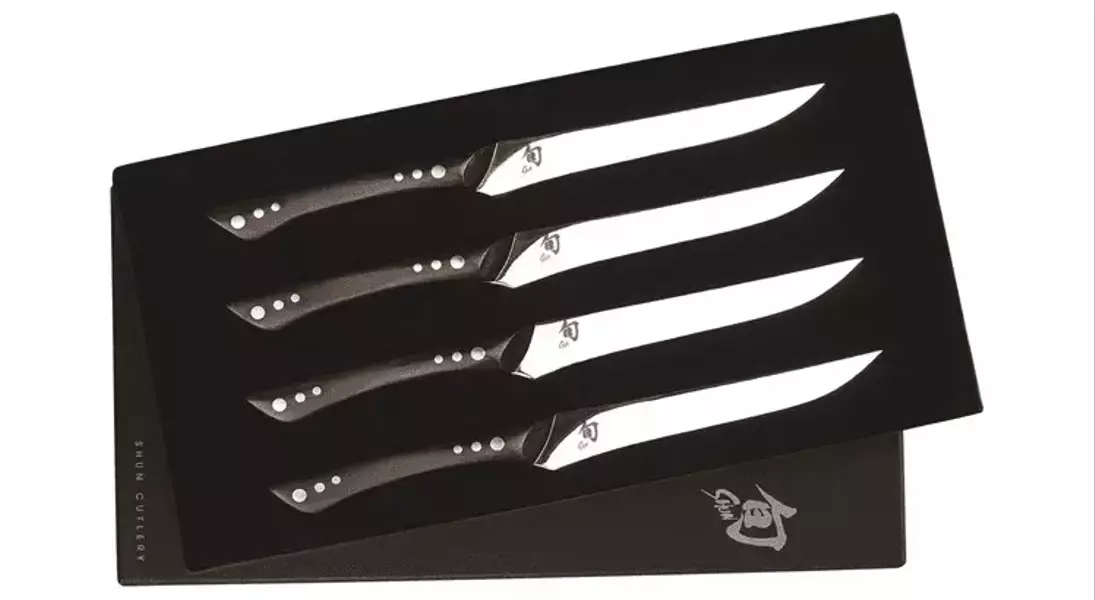
For those seeking an elevated experience, the Shun Shima Knives, at $300, are presented as a worthwhile upgrade. These Japanese-crafted knives impressed with their unparalleled sharpness right out of the box, demonstrating a smooth and clean cut on various foods. Their non-serrated blades allow for regular honing and sharpening, extending their life. The subtle upward curve of the blade and the arched Pakkawood handle were noted for enhancing leverage and providing exceptional comfort. Despite their lighter weight, their precision and ease of maneuverability through thick cuts of meat were outstanding. The elegant, thin metal blade, adorned with six inlaid steel rondels, makes them a visually striking addition to any table. However, their premium price point and thinner blade, which limits the number of sharpening sessions over time, position them more as a special occasion item or a luxurious gift rather than an everyday workhorse.
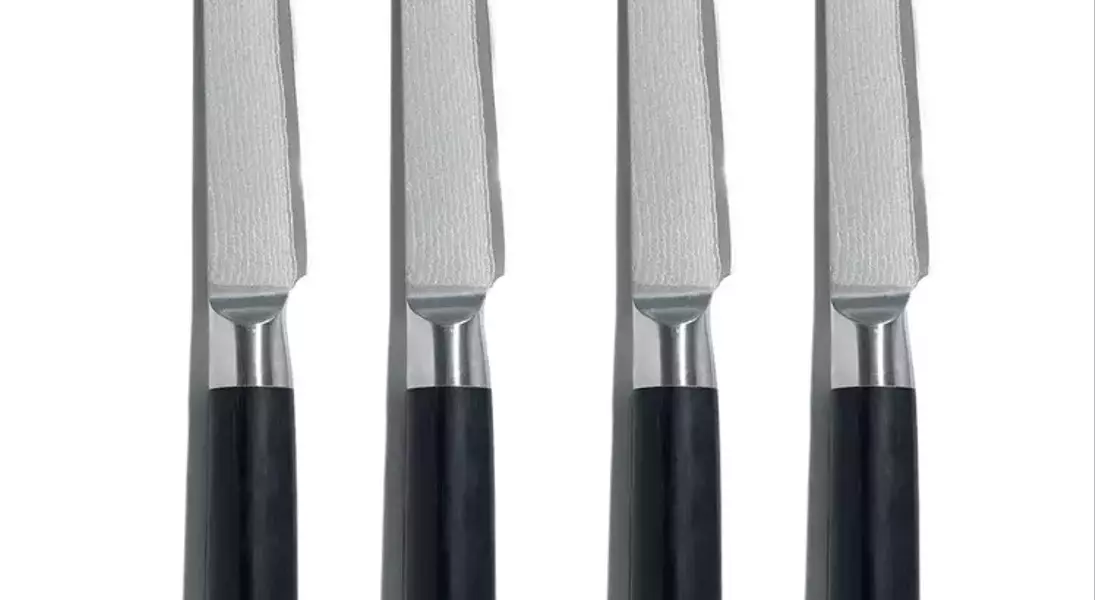
Another commendable option is the Quince Damascus Steel Steak Knives, priced at $100. These knives proved to be surprisingly effective, passing sharpness tests with flying colors on both meat and vegetables. Featuring Japanese steel and attractive Damascus patterns on the blade, combined with Pakkawood handles, they offer a sophisticated look at an accessible price. Manufactured in China, this cost-effective production doesn't compromise their performance, making them an excellent choice for those desiring a high-end appearance without the hefty investment. Despite their slightly lighter feel compared to the Material knives and a less ergonomic grip than the Shun, their sharpness and attractive design make them a strong contender.
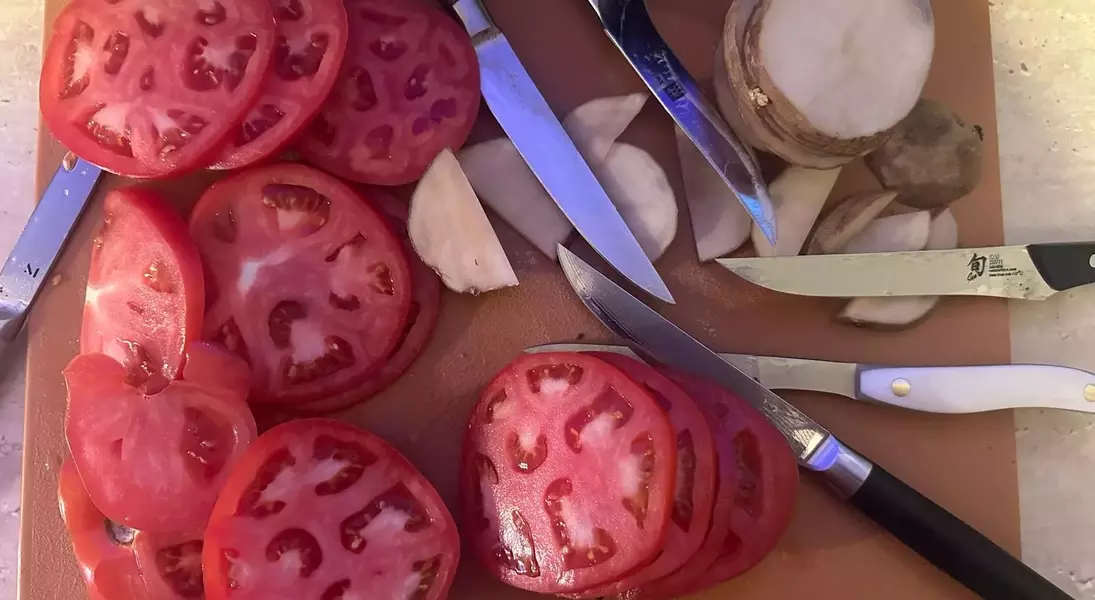
The testing methodology involved several key criteria to ensure a thorough evaluation. The 'paper test' assessed initial sharpness, with only truly sharp knives achieving a clean slice. The 'meat test' challenged knives with thick pork chops, focusing on their ability to cut through tough areas, fat, and bone. The 'tomato test' highlighted precision, as delicate tomatoes quickly reveal a dull blade by crushing rather than slicing. Finally, a 'weeknight dinner test' provided real-world insights into comfort, balance, and overall performance during routine meal preparation. This multi-faceted approach ensured that recommendations were based on practical utility and durability, rather than just initial impressions.
Proper care is paramount for maintaining the performance of your steak knives. Always hand wash and immediately dry your knives with a towel after use to prevent rust and corrosion, even if they are technically dishwasher-safe, as dishwashers can dull blades faster. Store knives in a block, box, or with sheaths to prevent blades from clattering and becoming dull. Regular use of a honing rod will straighten microscopic teeth on the blade, extending sharpness between professional sharpening sessions. Sharpening is typically needed 1-3 times a year, depending on usage, and can be done professionally or with an at-home sharpener.
