When selecting the ideal saucepan for your kitchen, several crucial factors come into play. These include the materials used, the construction quality, and how easily the pan can be handled during cooking. A high-performing saucepan or saucier should excel in heat conductivity, heat retention, and ensure uniform heat distribution. These elements are vital for achieving consistent and delicious culinary results, whether you are preparing a quick breakfast or a complex gourmet dish. Understanding these aspects will help you make an informed decision, ensuring your chosen cookware meets the demands of your cooking style and enhances your overall kitchen efficiency.
Our extensive evaluation of various saucepans and sauciers reveals that the best options combine robust construction with practical design features. We delve into the nuances of different models, from premium offerings like the All-Clad D5 and D3, known for their exceptional heat management, to more budget-friendly alternatives like Goldilocks, which provide excellent value. Additionally, we examine specialized sauciers, such as the Misen, highlighting their unique benefits for specific culinary tasks. This guide aims to equip you with the knowledge needed to invest in a saucepan that not only performs admirably but also stands the test of time, becoming an indispensable tool in your daily cooking routine.
Selecting the Optimal Saucepan for Culinary Excellence
Choosing a superior saucepan involves a meticulous assessment of various attributes to ensure it meets your culinary requirements. The foundational aspects of an outstanding saucepan are its ability to conduct heat efficiently, maintain temperature consistently, and distribute heat uniformly across its surface. Pans crafted with a layered construction, such as 3-ply or 5-ply designs incorporating high-quality aluminum and stainless steel, are highly favored. This material combination offers rapid heating and cooling capabilities, providing precise control, which is essential for preparing delicate sauces and emulsions. Such pans are also oven and induction hob compatible, guaranteeing durability and versatility in diverse cooking environments. The overall design should prioritize a comfortable handle that remains cool to the touch and a well-fitting lid that minimizes steam escape, further enhancing cooking performance and user convenience.
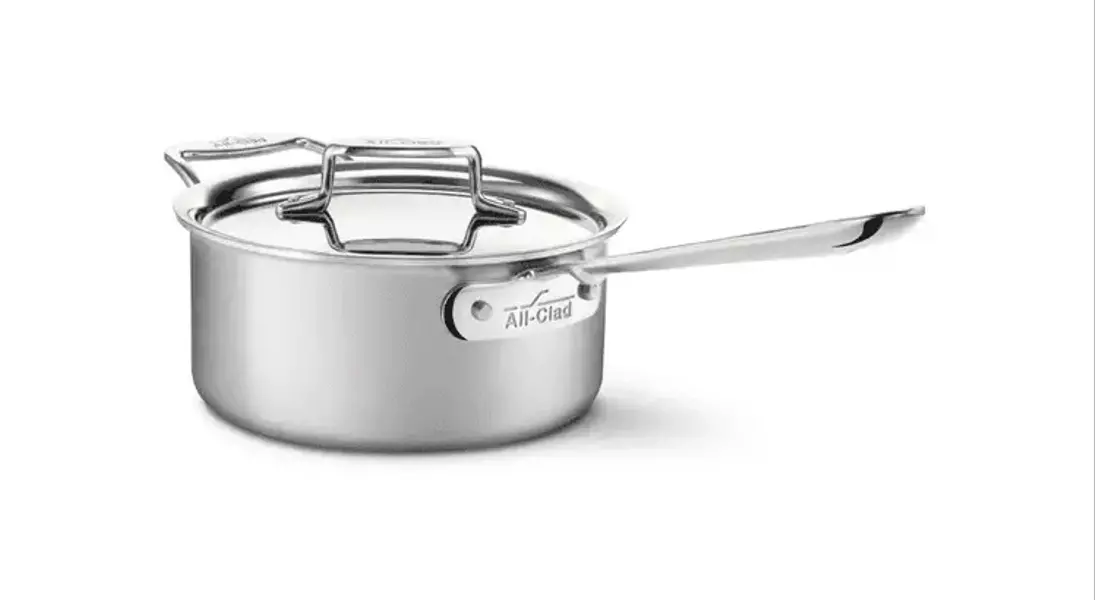
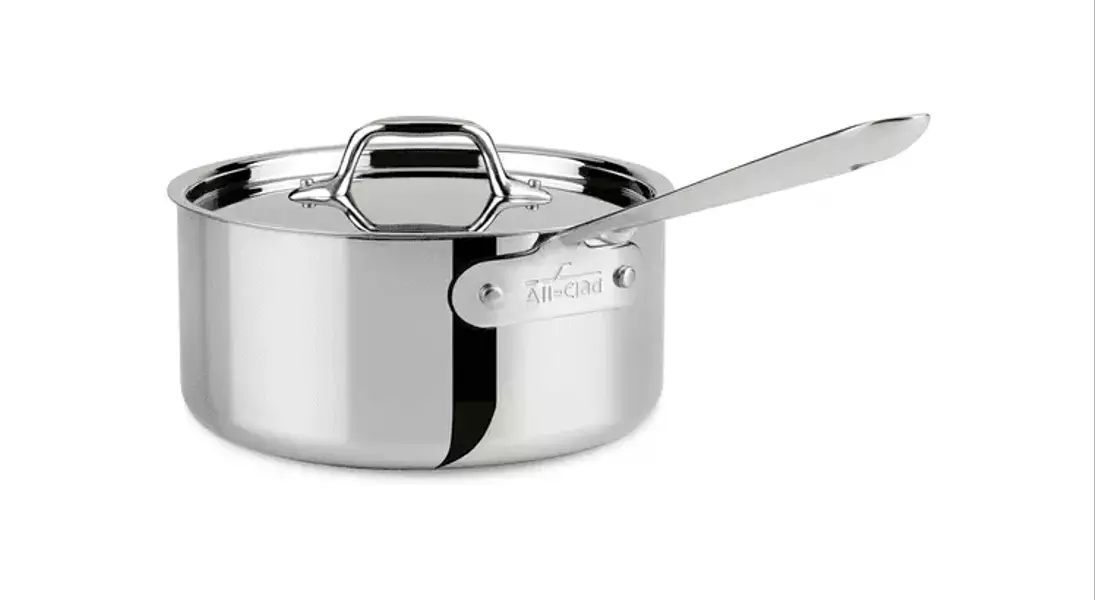
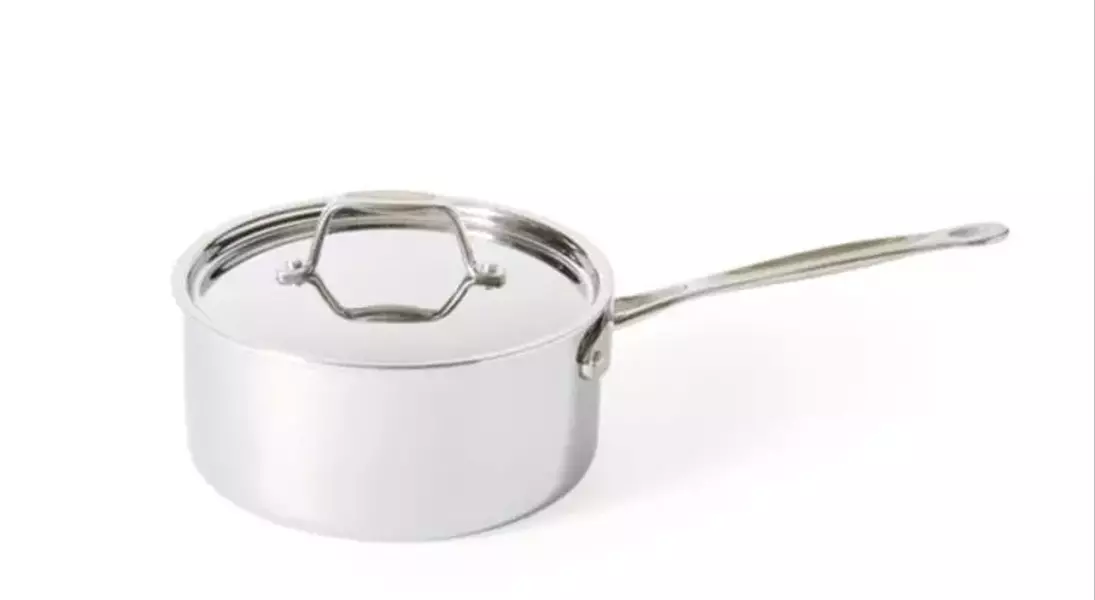
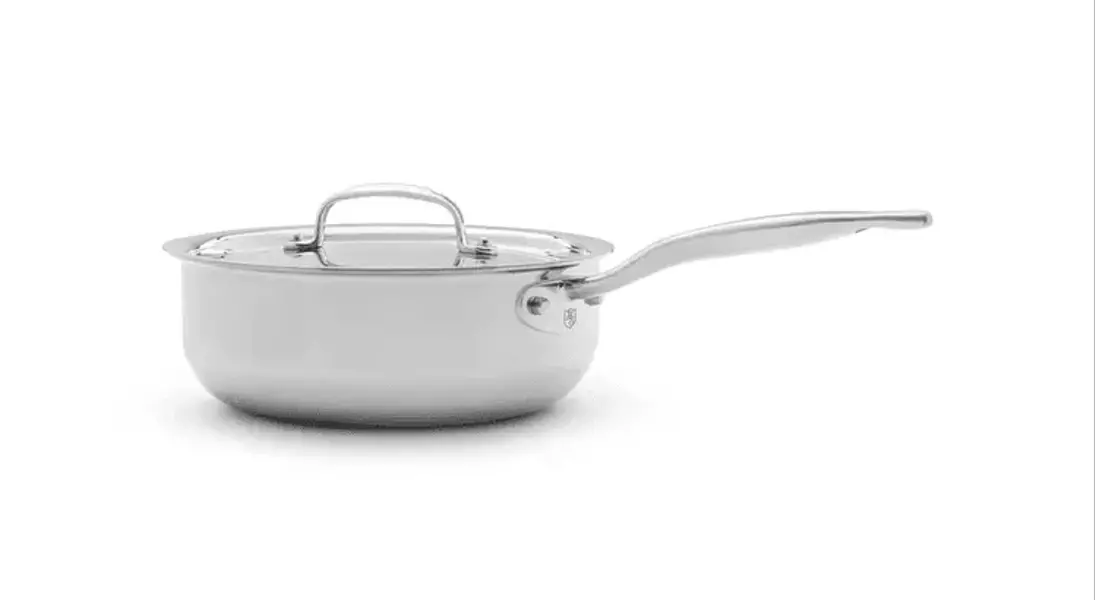
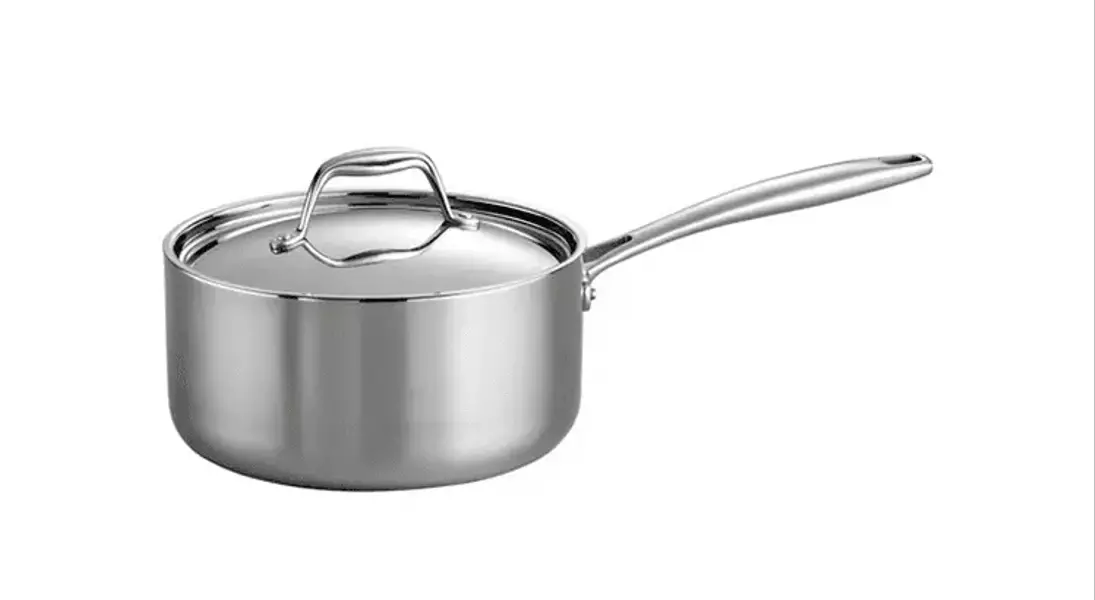
The market offers a wide array of saucepans, each with distinct advantages. For instance, the All-Clad D5 stainless-steel saucepan, with its robust 5-ply structure, exemplifies even heating and superior heat retention, making it ideal for tasks requiring sustained warmth without scorching. Its thoughtful design includes a helper handle for enhanced stability and a flared rim for effortless pouring, catering to demanding culinary applications. In contrast, the All-Clad D3, a lighter 3-ply alternative, offers similar performance in terms of heating speed but with reduced weight, making it easier to maneuver for everyday cooking needs like preparing oatmeal or heating marinara. For budget-conscious consumers, options like the Goldilocks 3-quart saucepan provide commendable thermal distribution and ease of use at a more accessible price point, albeit requiring slightly more attention to prevent scorching. Understanding these distinctions is key to selecting a saucepan that aligns with your cooking habits and preferences, promising long-term satisfaction and improved kitchen efficiency.
Exploring Specialized Sauciers and Other Noteworthy Cookware
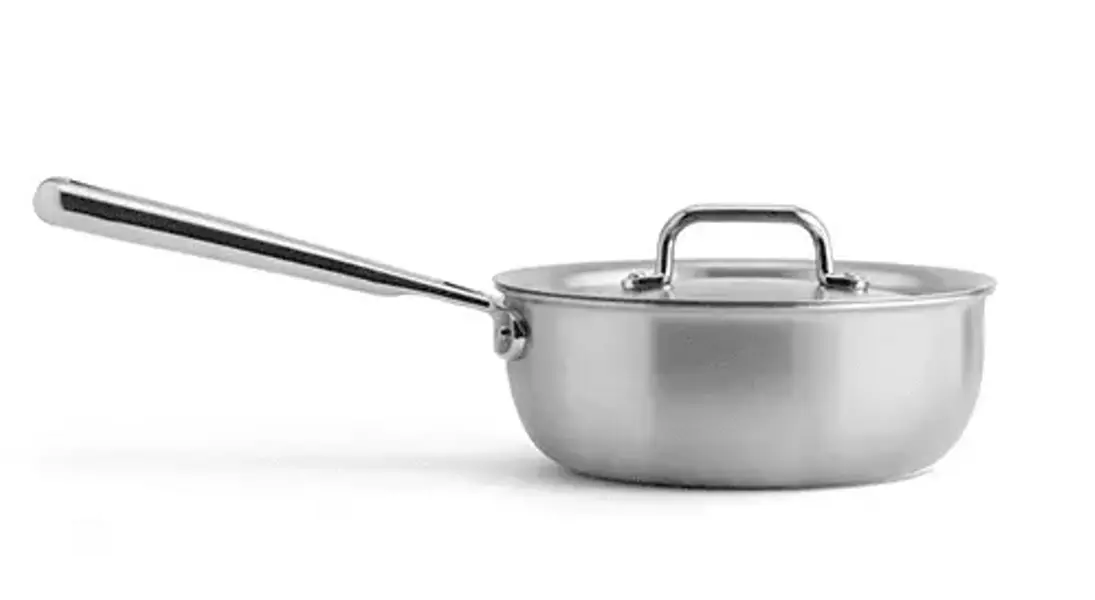
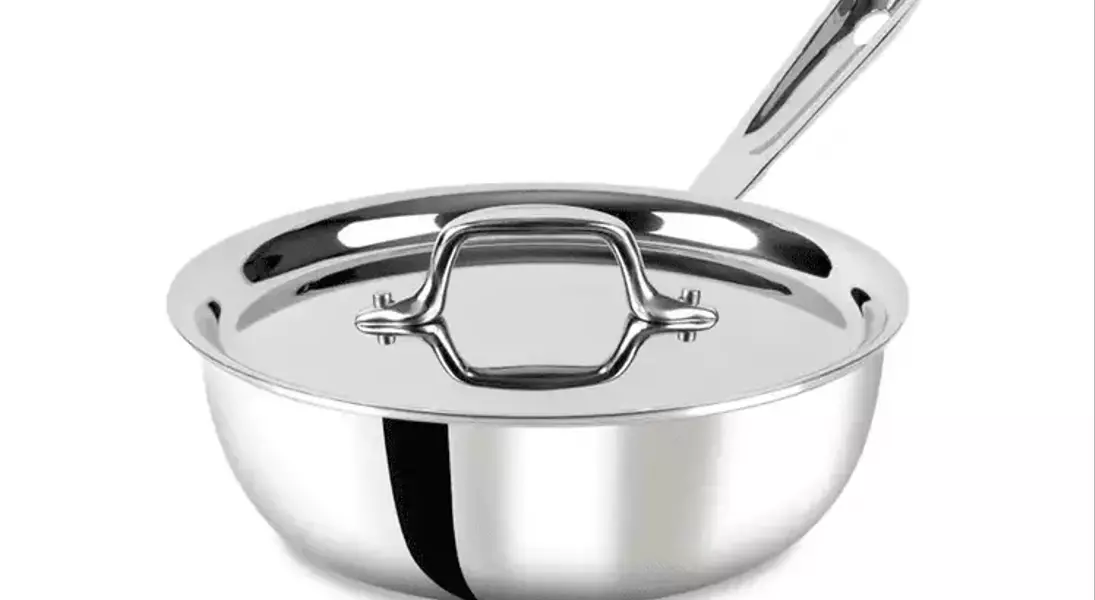
Beyond traditional saucepans, specialized cookware like sauciers offer unique advantages for specific cooking techniques. Sauciers are distinguished by their rounded bottoms and gently sloped sides, which are engineered to facilitate continuous stirring and whisking. This design feature makes them particularly effective for creating smooth, lump-free sauces such as béchamel or hollandaise, as well as for dishes like risotto that demand constant agitation. The Misen 3-Quart Saucier, for example, stands out for its 5-ply construction, which ensures steady heat distribution and prevents rapid temperature fluctuations, crucial for preventing delicate ingredients from curdling or burning. Its comfortable handle further enhances maneuverability, making it a valuable addition to any cook's arsenal, despite a minor design consideration regarding its pouring efficiency.
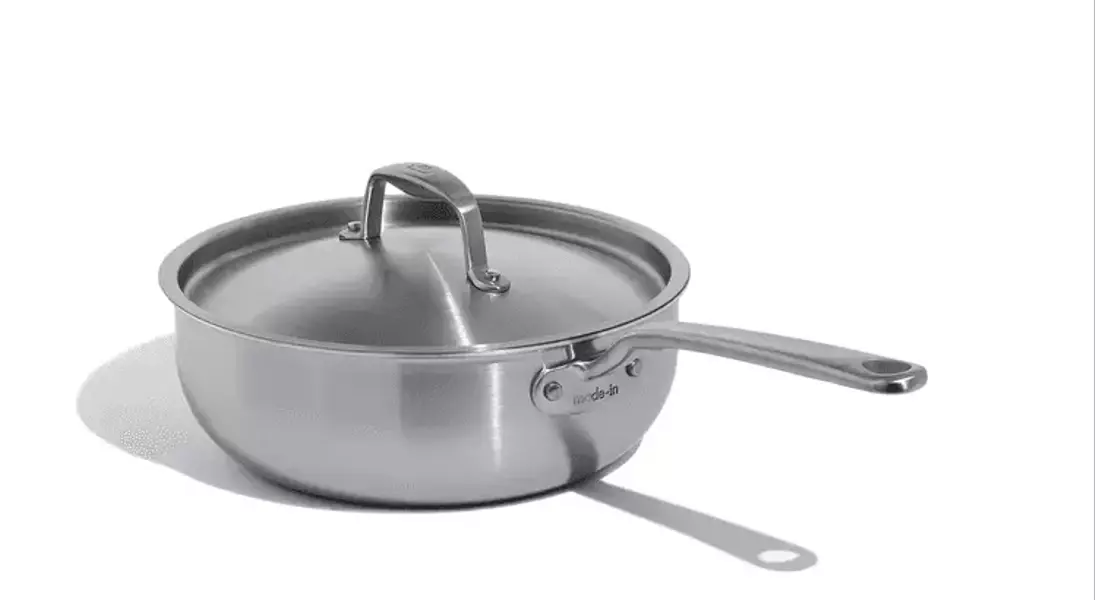
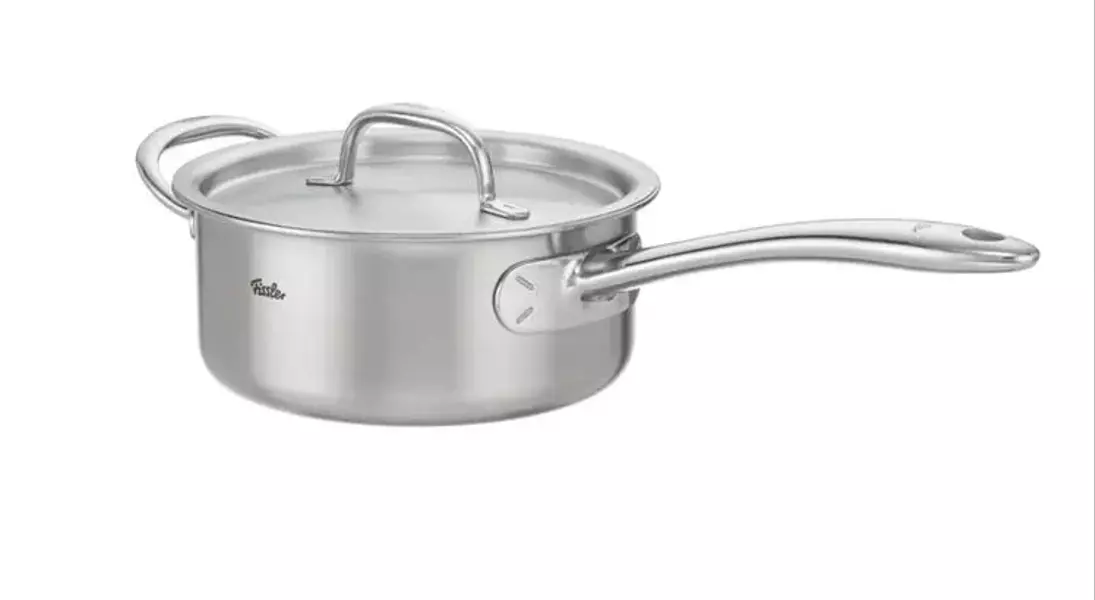
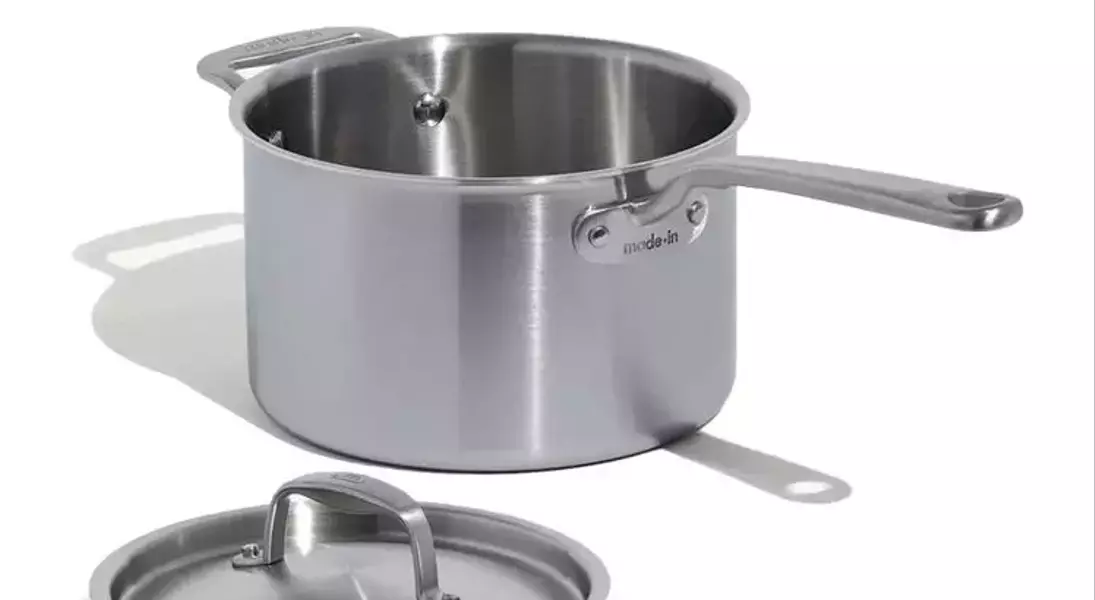
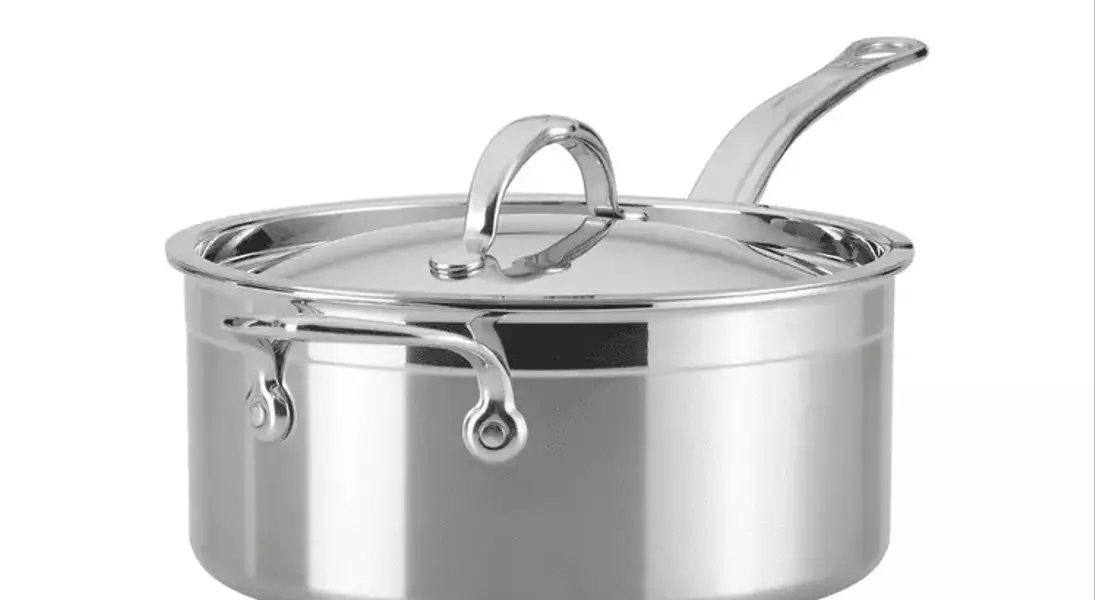
While the All-Clad D3 Stainless Steel Tri-Ply Saucier also offers excellent performance, the Misen variant often provides a more cost-effective solution without compromising quality. Our evaluations further included other reputable brands such as Fissler and Made In, whose offerings exhibit strong performance characteristics. Fissler's 5-Ply Stainless Steel Saucepan impresses with its even heat distribution and thoughtful features like volumetric measurements, while Made In's stainless clad saucepans deliver reliable performance, though some users note a tendency for ingredients to stick. Additionally, alternative options like the Hestan Pro-Bond Saucepan, with its shallower and wider profile, provide efficient heating due to finer cladding layers, positioning it as a luxury choice. Conversely, certain pans, such as the Farberware Classic and Caraway Saucepan, were noted for design flaws like inconsistent heating or impractical aesthetics, indicating that aesthetic appeal should not overshadow functional performance. This comprehensive overview ensures that you can navigate the diverse landscape of cookware, selecting pieces that are both high-performing and well-suited to your individual cooking style and preferences.
