
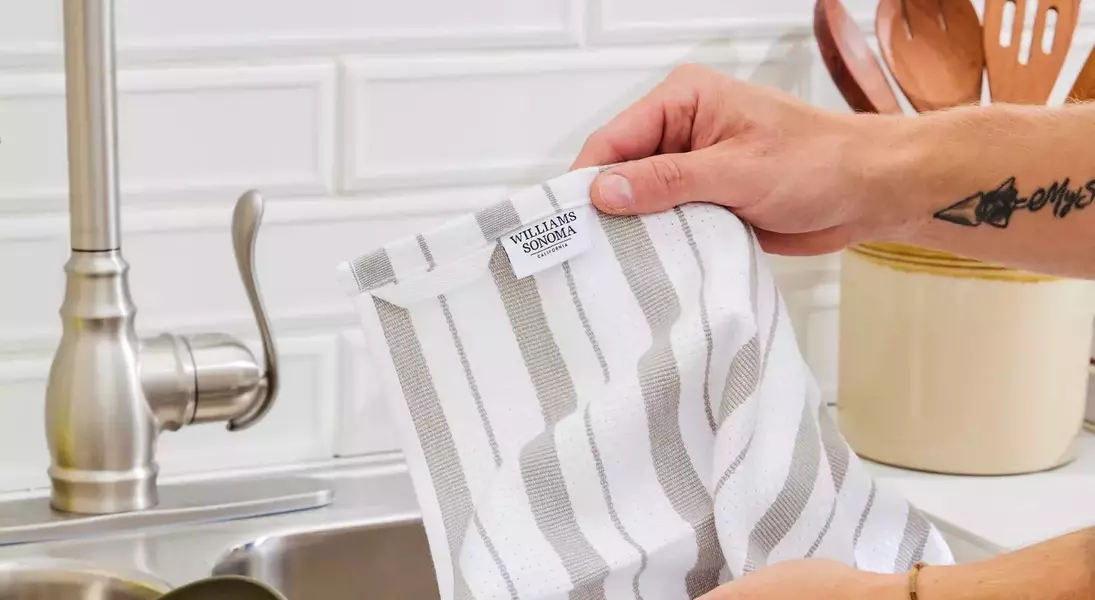



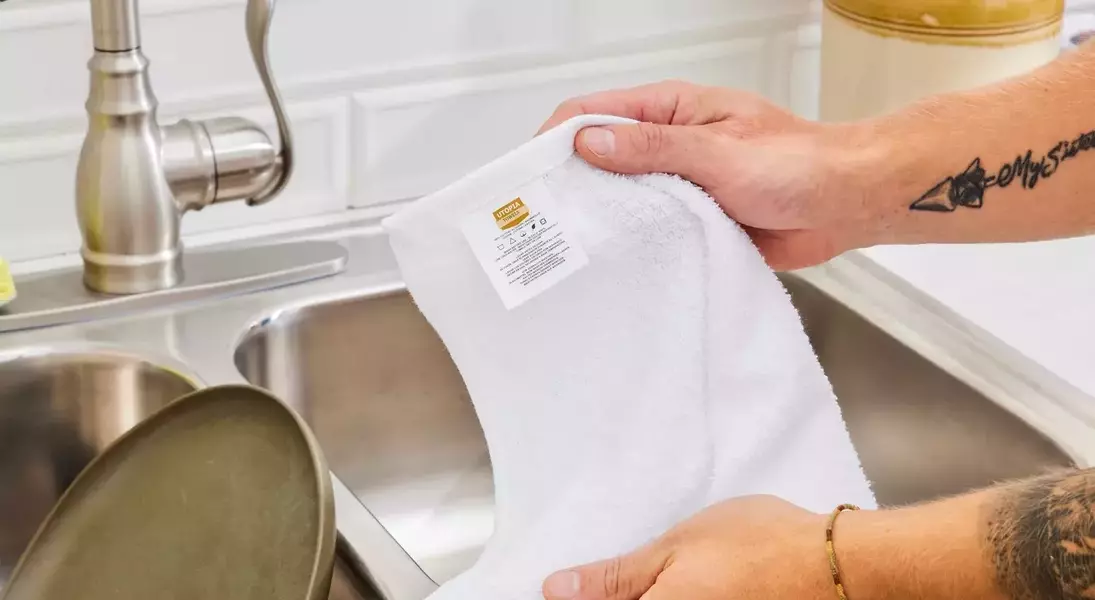
In the bustling heart of any home, the kitchen towel often serves as an unsung hero, a versatile companion for tasks far exceeding mere dish drying. From wiping down counters to cradling hot cookware, its utility is undeniable. But with an abundance of options, how does one discern the truly indispensable from the merely decorative? This comprehensive exploration delves into the nuanced world of kitchen towels, offering insights derived from extensive testing to guide your selection. We scrutinize various materials, weaves, and designs, evaluating their performance across a spectrum of culinary demands. Ultimately, this guide aims to empower you to stock your kitchen with the most effective and durable towels, transforming your daily cooking and cleanup routines.
The Essential Guide to Kitchen Towels: Performance and Practicality
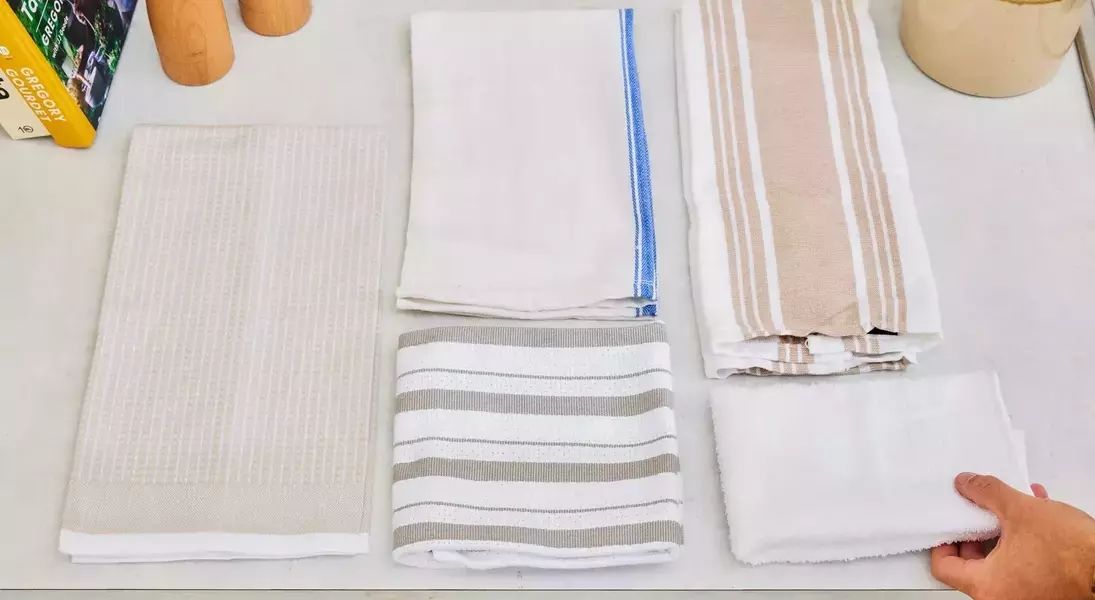
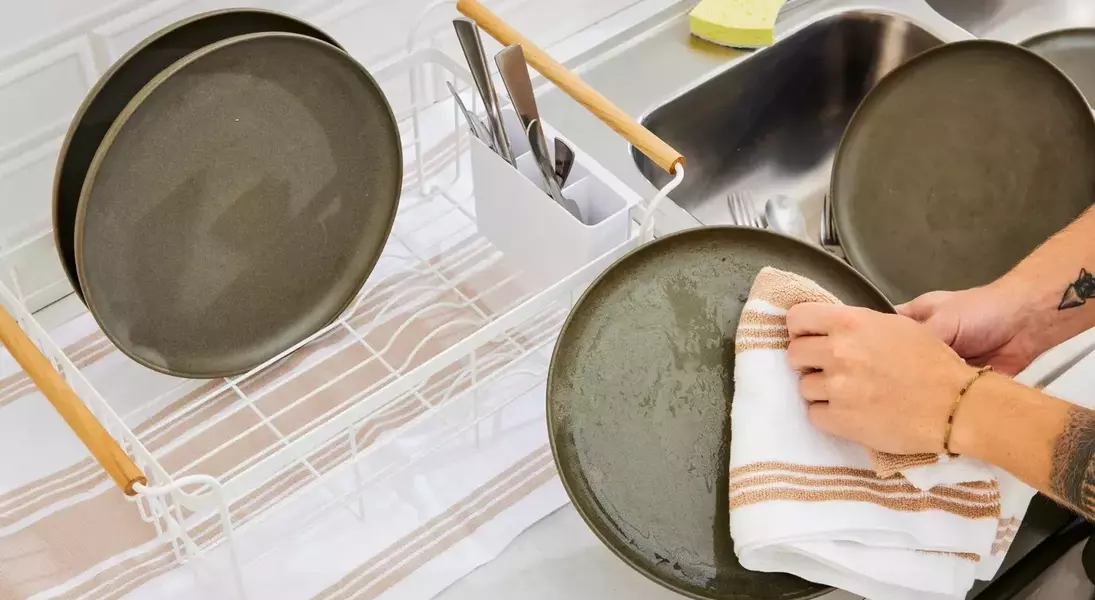
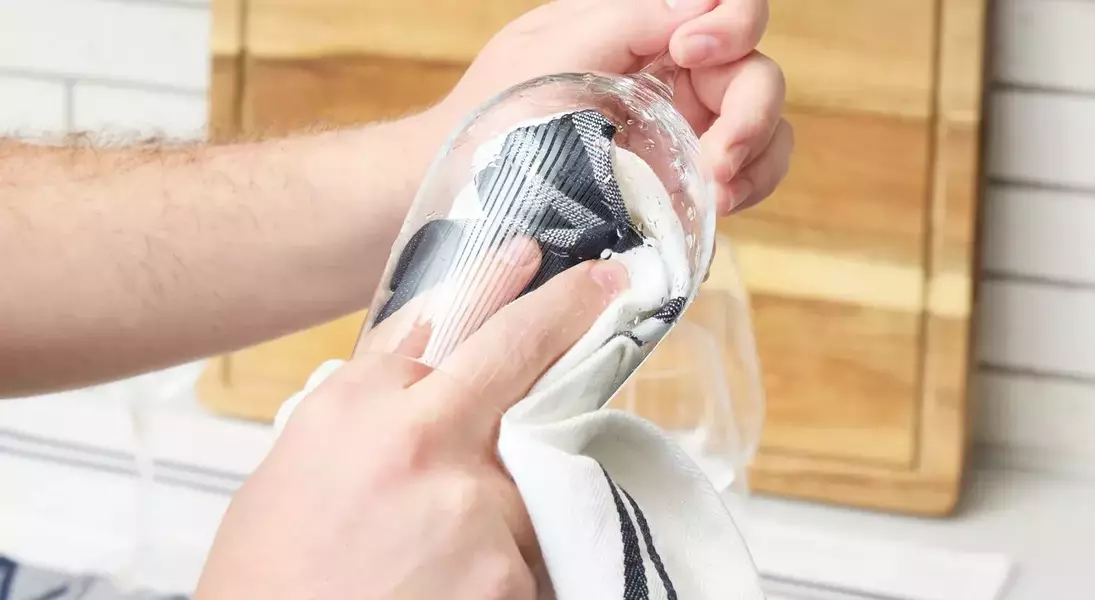
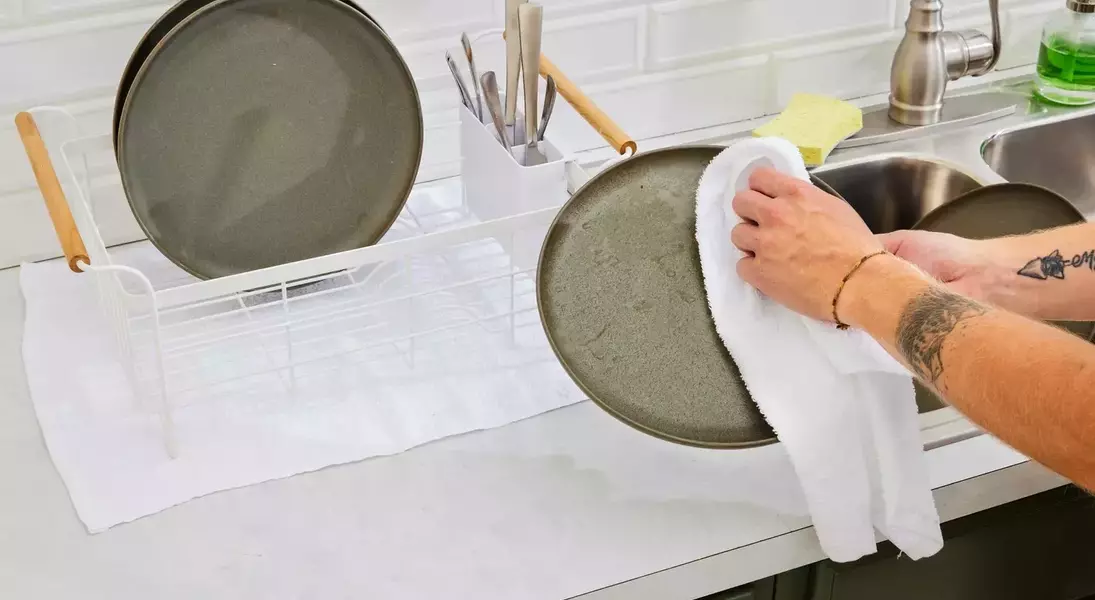
In a recent exhaustive evaluation, 21 different kitchen towels were put through their paces to uncover the best performers for various culinary tasks. The assessment, conducted by Rochelle Bilow, a seasoned editor at Serious Eats with a background as a line cook in New York City and on a New York farm, focused on critical attributes such as absorbency, drying efficiency, ease of handling, stain resistance, and overall durability through repeated washing cycles. The rigorous methodology included precise measurements of water absorption using a digital scale and a mathematical formula devised with the assistance of Gregory Petrics, a Ph.D. in Mathematics. Towels were also subjected to real-world scenarios, from drying delicate glassware and handling hot pots to tackling stubborn mustard and ketchup stains. The findings culminated in a selection of six top-tier towels, each excelling in specific areas while offering broad utility.
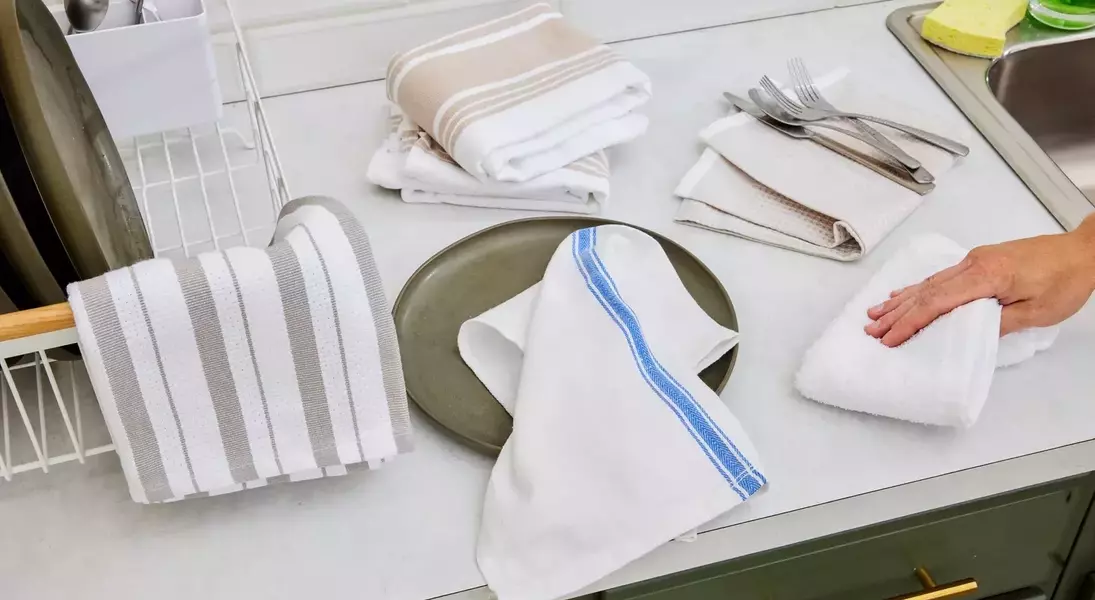
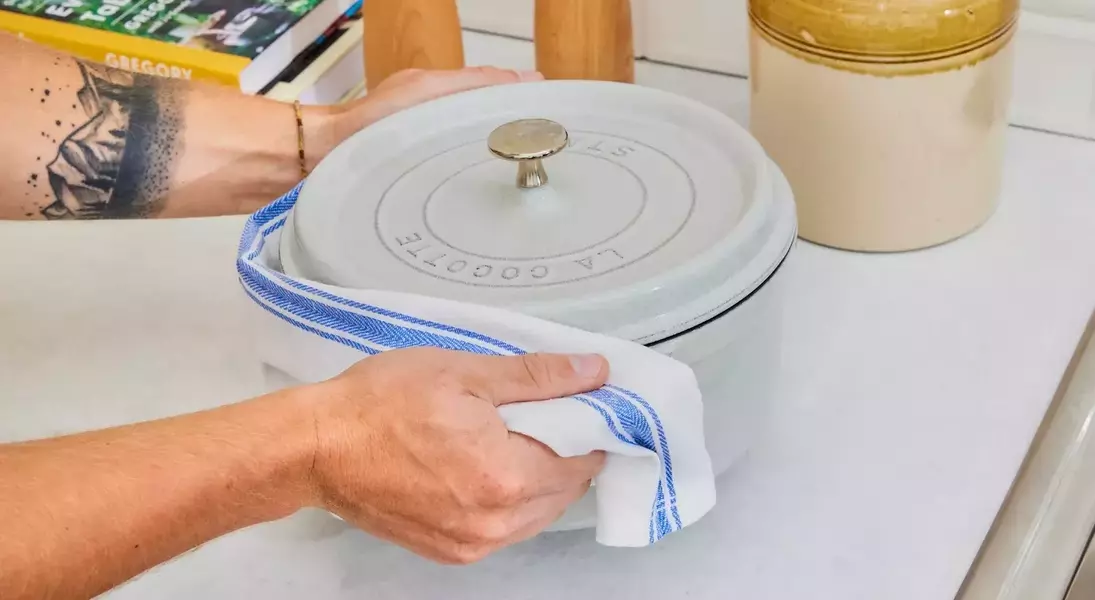
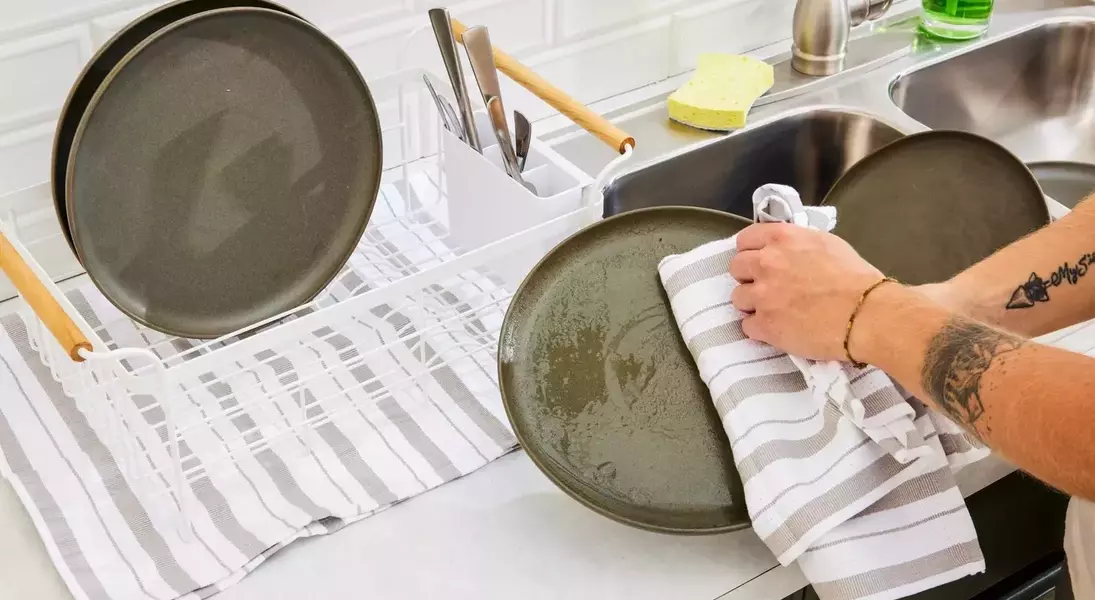
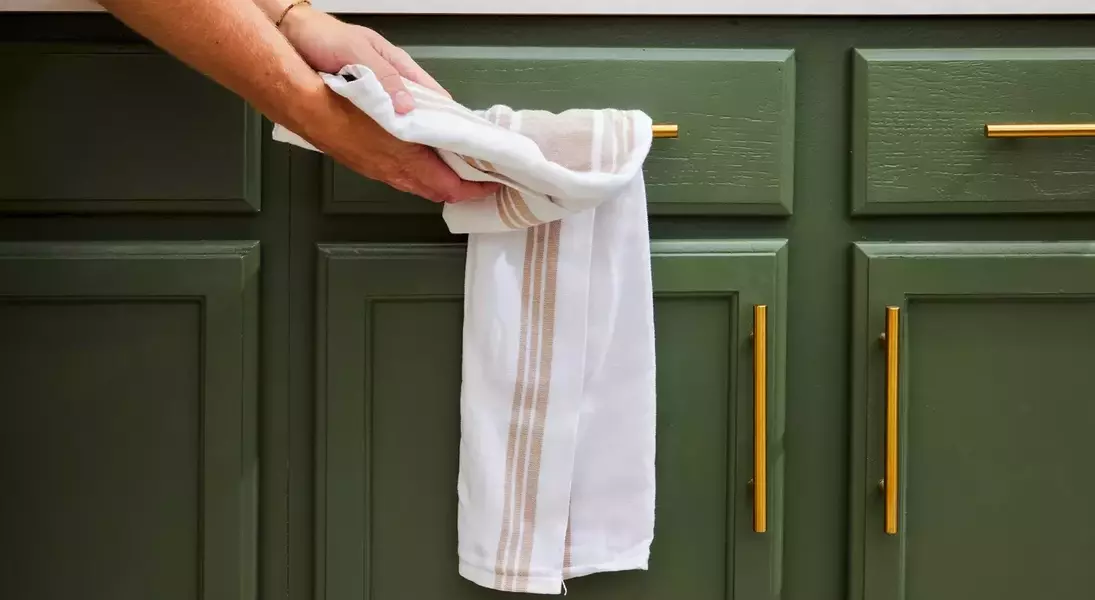
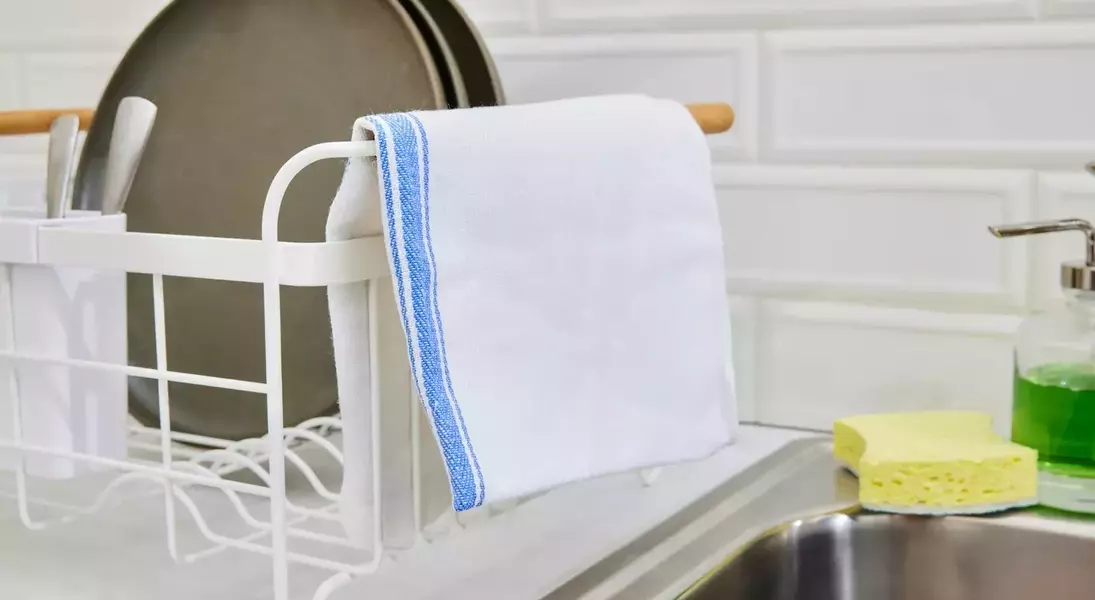
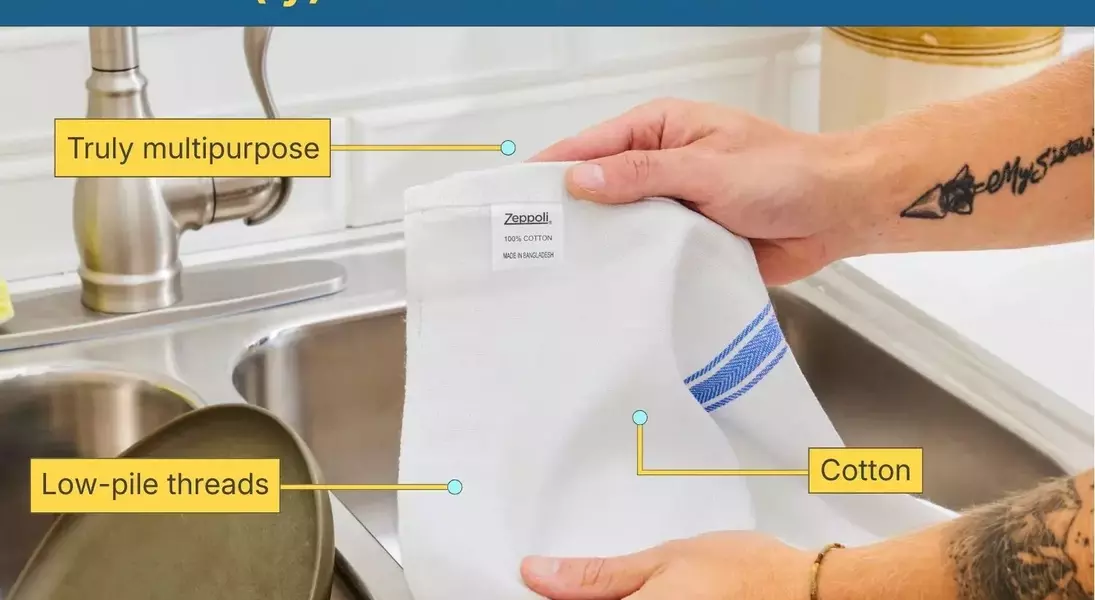
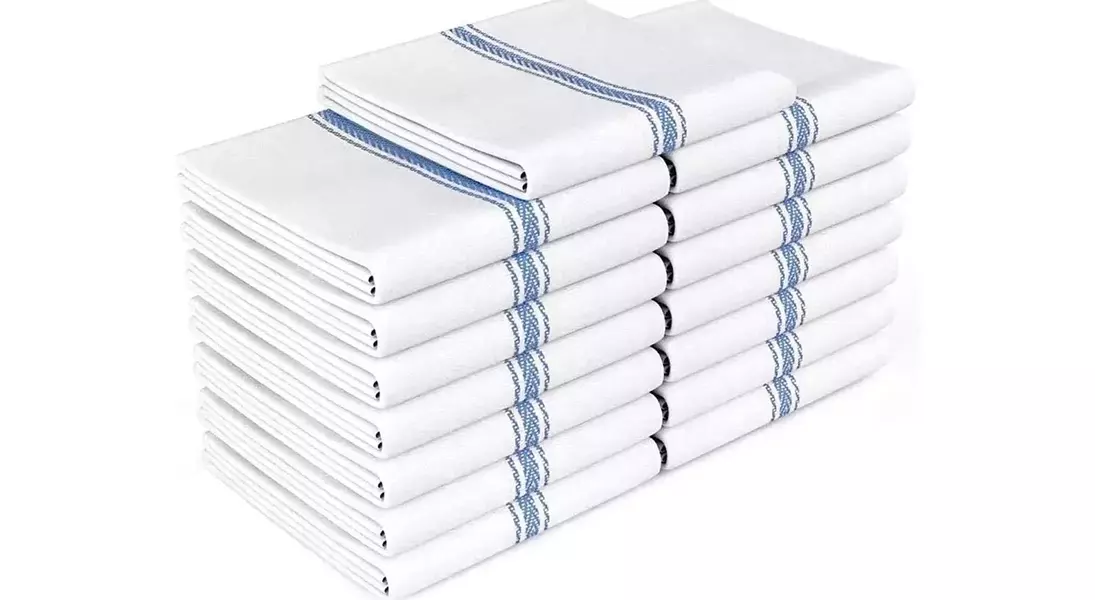
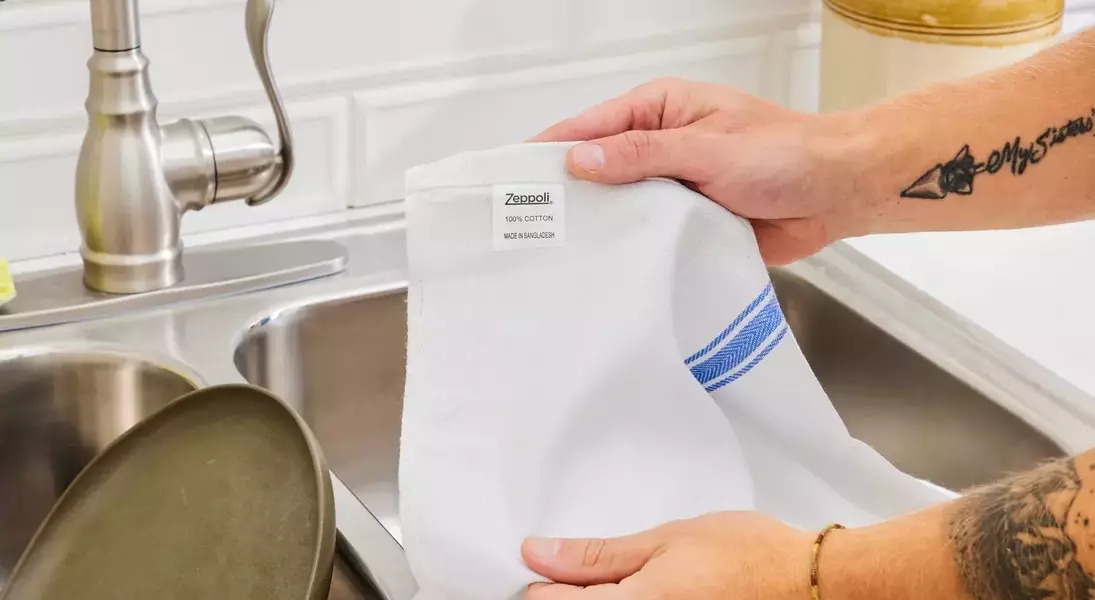
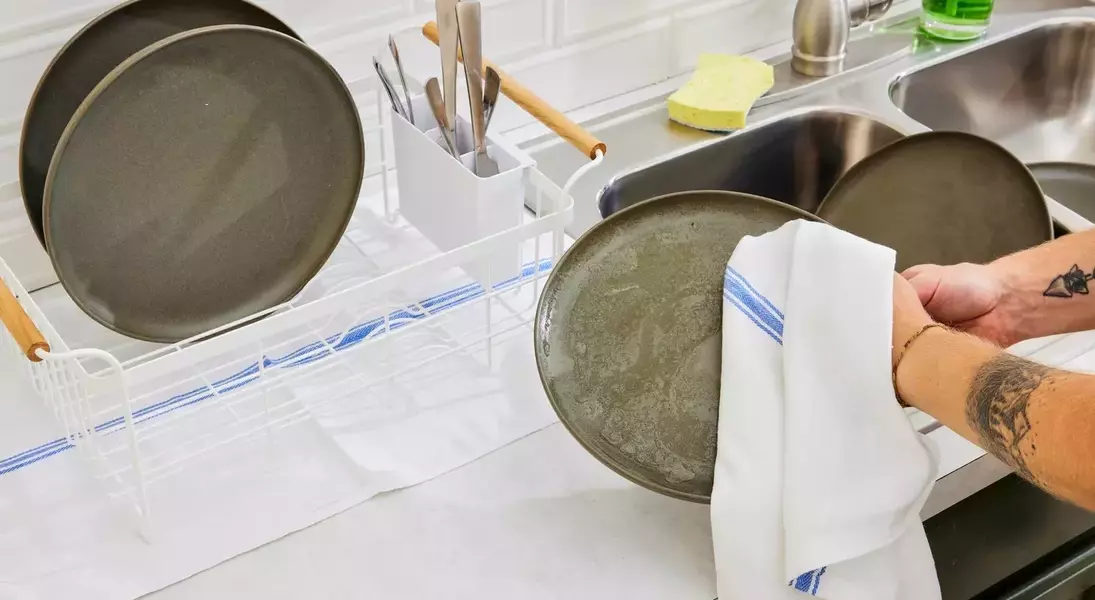
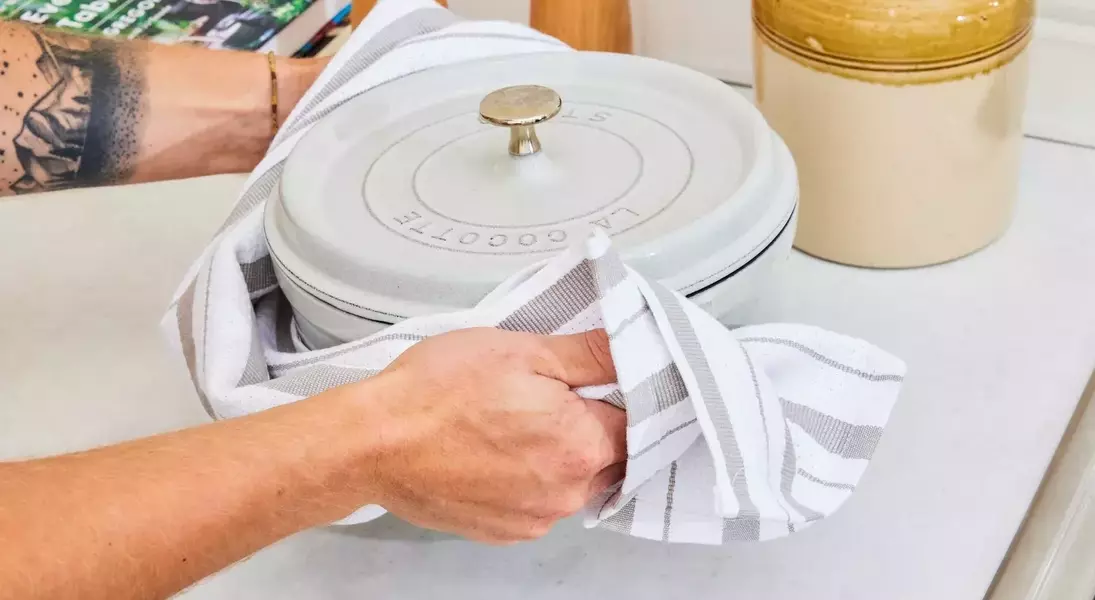
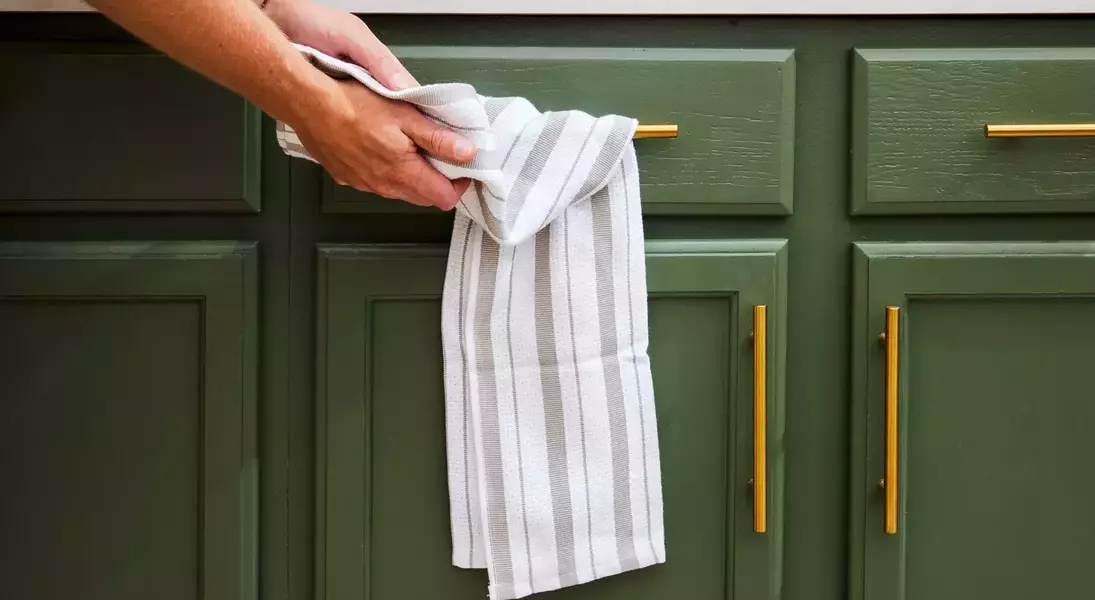
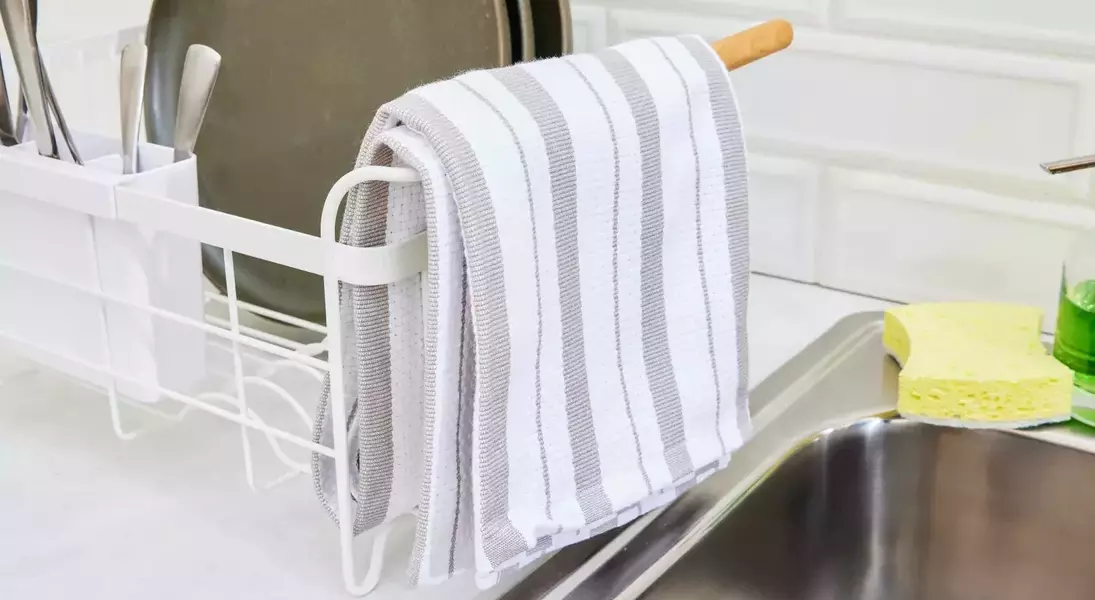
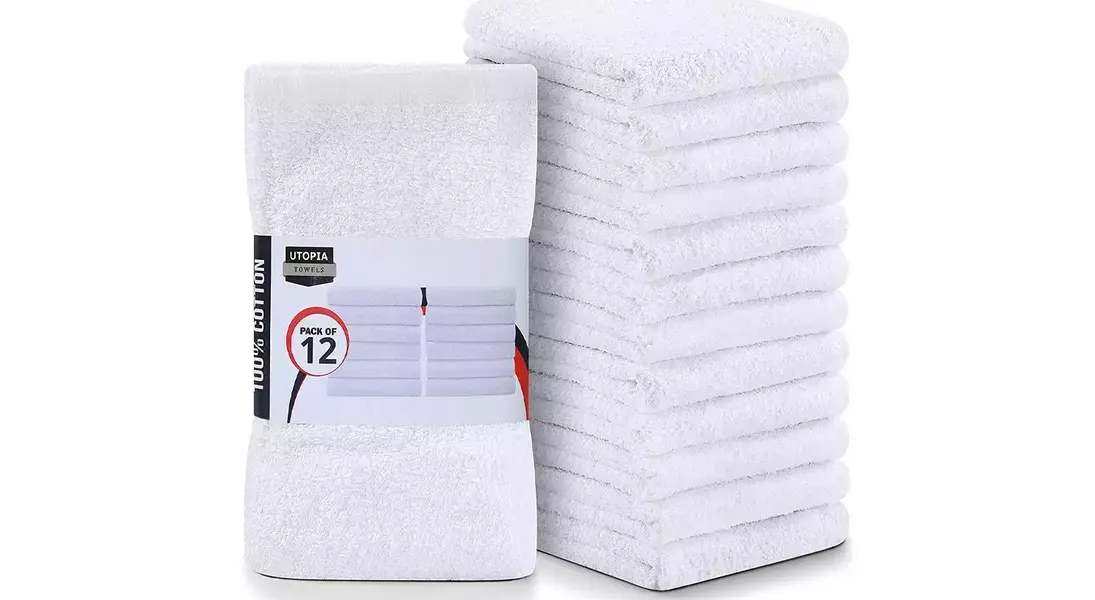
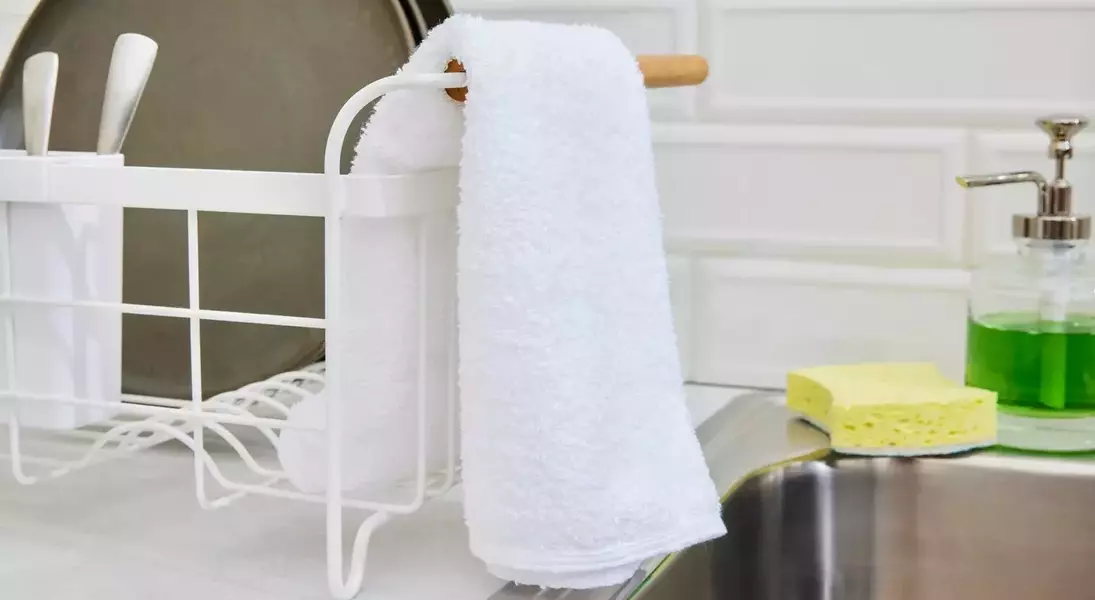
Cotton emerged as the preferred material for its superior absorbency, economic value, and pliable texture, making it ideal for the dynamic environment of a kitchen. Waffle weave towels also garnered significant praise for their flexibility and absorption, proving adept at both protecting hands from heat and efficiently drying dishes. Conversely, excessively thick or overly absorbent towels were noted for their prolonged drying times and cumbersome nature in intricate tasks. Notably, larger towel sizes did not correlate with increased utility, often hindering maneuverability. The presence of a well-placed hanging loop was a welcome feature, though not a deal-breaker. Terry cloth, while excellent for hand drying, was found to be less suitable for dishes due to lint residue and slow drying. Furthermore, the analysis highlighted that exorbitant prices do not guarantee superior performance, advocating for a pragmatic approach to purchasing. The Zeppoli Classic Kitchen Towels stood out for their versatility and cost-effectiveness, serving as an all-around reliable choice for any kitchen.
Insights from the Culinary Cloth Crucible
This extensive analysis into kitchen towels underscores the importance of thoughtful selection, turning a seemingly simple purchase into a strategic decision for culinary efficiency. The key takeaway is the pursuit of balance: a towel shouldn't be overly specialized unless a specific need arises. Instead, prioritize a blend of absorbency, durability, and practical design that caters to the diverse demands of kitchen work. The findings encourage a shift from purely aesthetic considerations to functional ones, emphasizing that the true value of a kitchen towel lies in its consistent, reliable performance rather than its visual appeal or hefty price tag. Investing in a collection of high-quality, multipurpose cotton towels, ideally with well-designed hanging features, can significantly enhance the flow and cleanliness of your cooking space, proving that even the humblest tools, when chosen wisely, contribute immensely to a well-run kitchen.
