In an age where digital content increasingly dominates, the tangible allure of a meticulously crafted book remains strong, especially for passionate collectors. Charlotte and Peter Fiell, seasoned design writers, have recently enriched the world of horology with their monumental publication, "Ultimate Collector Watches." This two-volume set, spanning nearly a thousand pages, is a testament to three years of dedicated research, photography, and documentation. It seeks to fill a unique niche, offering a comprehensive yet visually stunning exploration of 100 historically significant and highly sought-after timepieces. The Fiells' approach emphasizes the intersection of design history and theory, providing both an authoritative reference and a captivating visual experience for enthusiasts and scholars alike. Their work highlights the crucial role collectors play in preserving history, showcasing how personal passions often evolve into institutional legacies that shape our understanding of cultural evolution.
A Deep Dive into Horological History and the Art of Collecting
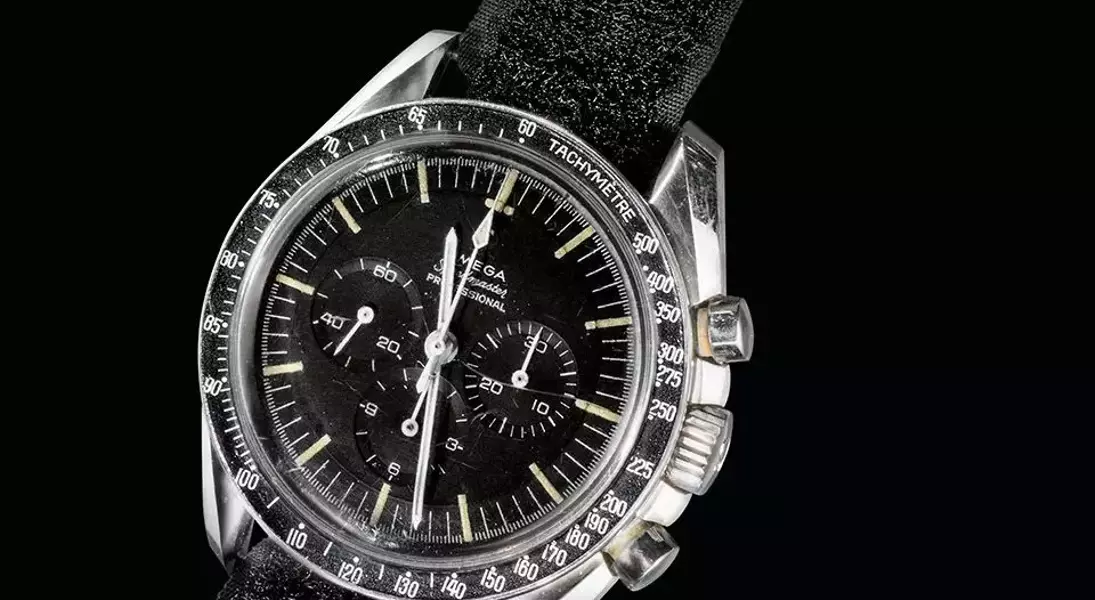
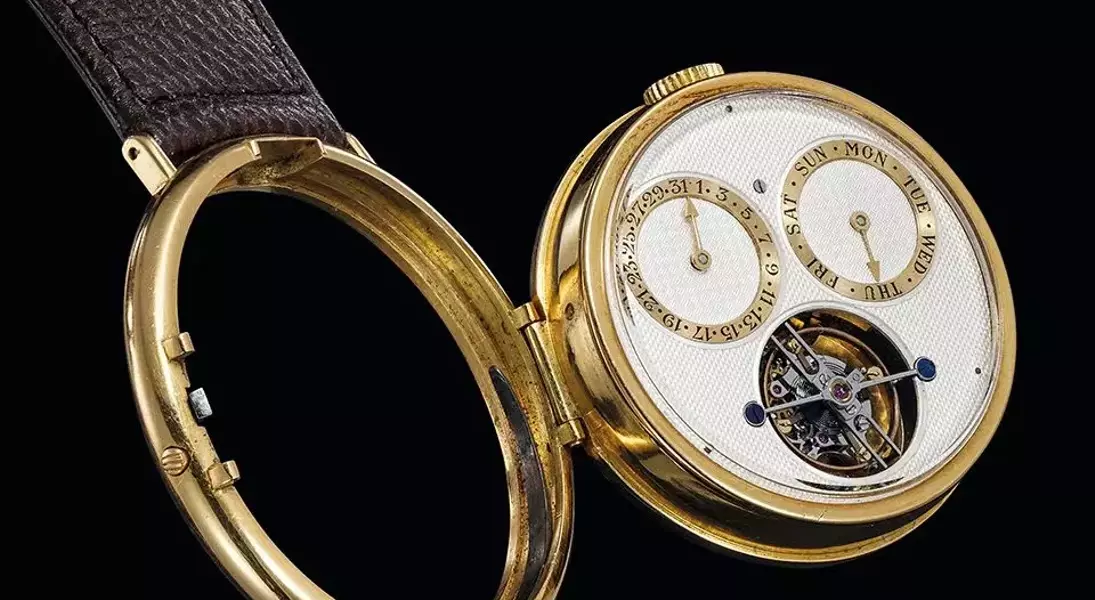
The journey to create "Ultimate Collector Watches" began with a clear vision: to produce the definitive book on collectible timepieces. Recognizing a gap in the market between glossy, content-light coffee table books and academically rich but visually unappealing scholarly texts, the Fiells embarked on an ambitious project. Their selection process was rigorous, evolving through thirty iterations to pinpoint 100 watches that represent the pinnacle of horological excellence and historical significance. The chosen timepieces span a vast chronological and stylistic range, from an early 20th-century Cartier Santos to iconic pieces like Neil Armstrong's Omega Speedmaster and F.P. Journe's 1999 Tourbillon Souverain. The book not only features luxury giants such as Patek Philippe and Rolex but also includes watches like the Omega Marine, recognized for its pioneering use of sapphire crystal and its status as the first professional diver's watch, demonstrating the evolution of watchmaking beyond mere monetary value.
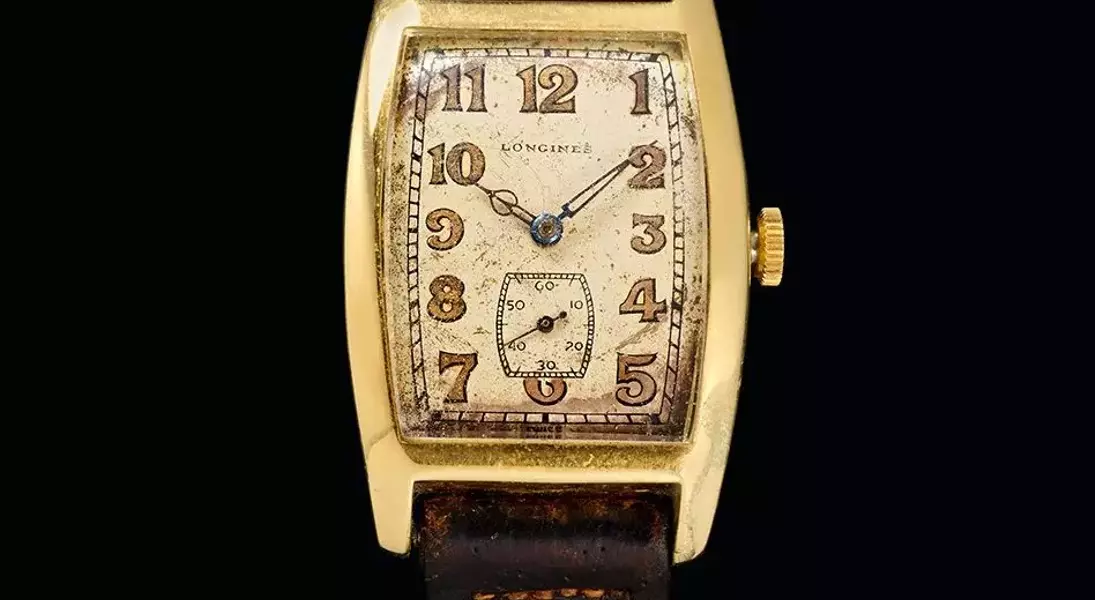
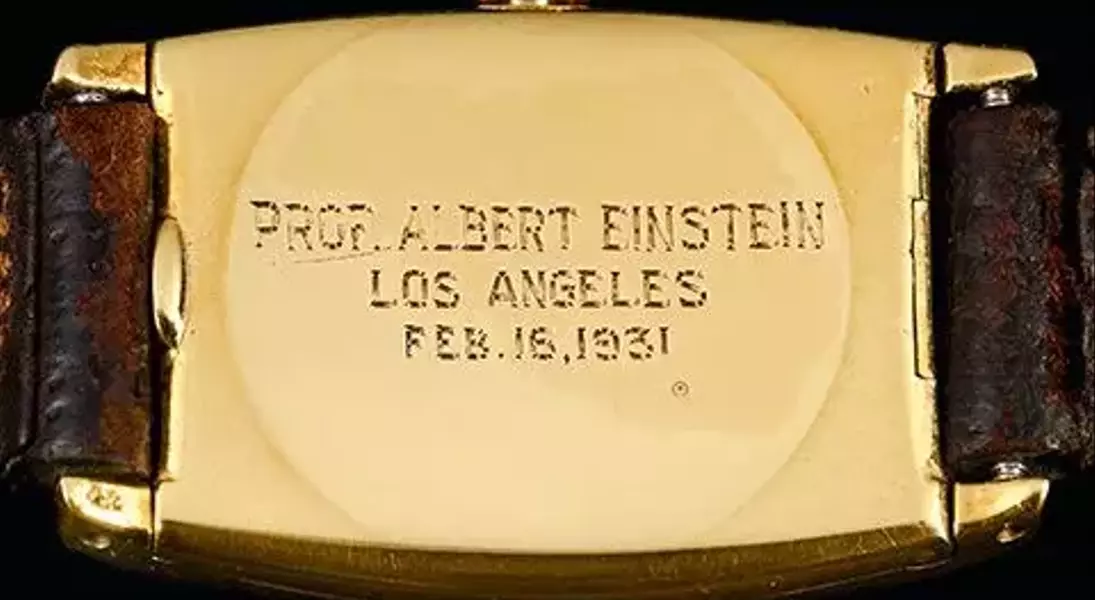
A significant challenge was gaining access to these rare and valuable items for photography. The Fiells cultivated relationships with brands, museums, auction houses, and private collectors. A notable anecdote involves Peter Fiell's interaction with Patrick Getreide, a prominent collector behind the OAK Collection. After attending an exhibition in London, Fiell secured an invitation to Geneva, where Getreide generously granted access to his multi-million dollar collection, including a case of Patek Philippe Ref. 2499s. This level of trust and cooperation allowed for unprecedented photographic access. Another triumph was securing the opportunity to photograph Albert Einstein's Longines Tonneau, a 1929 16-karat gold watch gifted to him by the Jewish community of Los Angeles in 1930. Through the assistance of Daniel Hug, Longines' head of heritage, the watch was made available at its owners' home in Washington D.C., leading to exclusive imagery for the book.
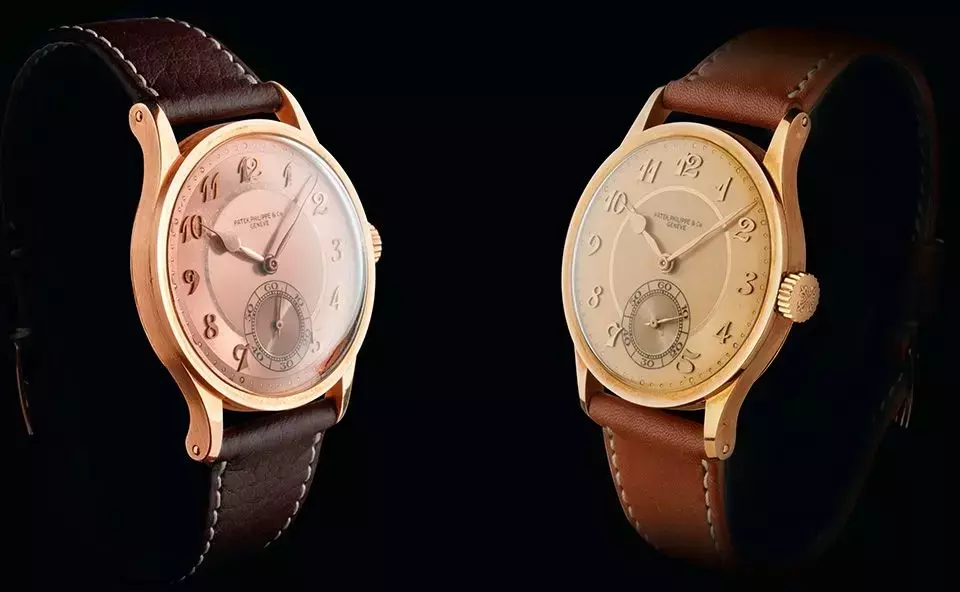
The Fiells attribute Patek Philippe's strong presence in the book to the brand's unwavering commitment to excellence, as noted by collectors like Patrick Getreide. Patek Philippe's ability to produce both top-tier perpetual calendar chronographs and exquisite time-only watches like the Calatrava in the mid-20th century, all with exceptional design and technical prowess, cemented its status among collectors. The authors also credit works like Helmut Crott’s "The Dial" and Alex Barter’s books as invaluable resources in their extensive research, underscoring the collaborative nature of scholarly pursuits in specialized fields.
Reflections on the Enduring Appeal of Watch Collecting and Design Literature
The creation of "Ultimate Collector Watches" underscores a profound truth about specialized interests: the passion for collecting is deeply intertwined with a desire for knowledge and appreciation. The Fiells' meticulous approach to documenting these timepieces not only provides a historical record but also elevates the act of collecting itself to an art form. Their perspective, rooted in design history, allows them to frame watches not just as instruments of timekeeping but as artifacts of human ingenuity and aesthetic achievement. The book serves as a bridge, connecting the technical sophistication of watchmaking with the broader narratives of design, culture, and individual legacy. It reminds us that behind every cherished object lies a story, and often, a dedicated collector whose vision helps preserve that story for future generations. This endeavor highlights how comprehensive, well-researched, and beautifully presented publications remain indispensable in an increasingly ephemeral digital world, offering a tactile and immersive experience that digital formats often struggle to replicate.
