Frozen burritos have become a staple for quick and effortless meals, yet their nutritional composition can differ significantly. While some options provide a well-balanced and nutritious punch, others may fall short. Understanding what makes a frozen burrito a healthy choice is crucial for consumers seeking convenient yet wholesome food options.
This article delves into the preferences of leading nutrition experts, revealing their top recommendation for a frozen burrito and explaining the underlying reasons for their endorsement. It also offers comprehensive guidance on how to identify and choose better-for-you frozen burritos, focusing on key nutritional aspects such as fiber, protein, and sodium content, as well as the importance of high-quality, whole-food ingredients. By following these insights, consumers can confidently navigate the freezer aisle and make informed decisions that align with their health goals.
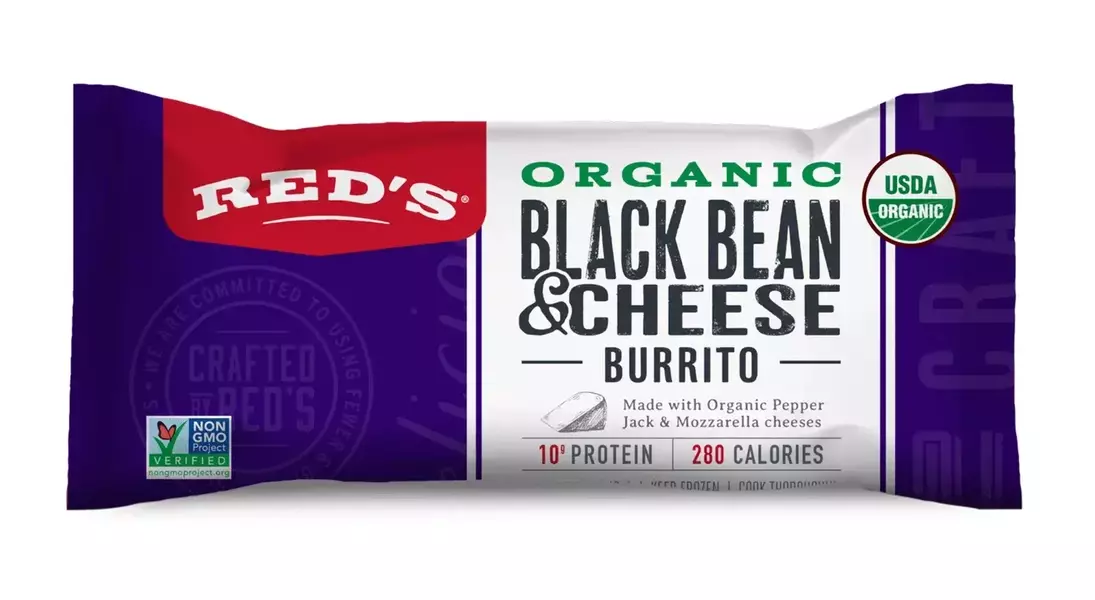
The Dietitians' Top Pick: Red's Organic Black Bean & Cheese Burrito
When it comes to frozen burritos, a specific brand consistently earns the approval of nutrition professionals: Red's Organic Black Bean & Cheese Burrito. This particular choice stands out due to its impressive nutritional profile and thoughtfully selected ingredients. Offering 280 calories, 39 grams of total carbohydrates (including 5 grams of dietary fiber), 10 grams of protein, and only 9 grams of total fat (with 3.5 grams of saturated fat), it presents a well-rounded option for a quick meal. Additionally, it contains a modest 630 mg of sodium and 0 grams of added sugar, making it a healthier alternative to many competitors. The combination of black beans, brown rice, and a blend of cheeses not only contributes to its fiber and protein content but also ensures a balanced nutrient intake.
Dietitians emphasize that this burrito is an excellent source of fiber, a nutrient often lacking in the average diet. Fiber is vital for supporting healthy digestion, promoting satiety, and stabilizing blood sugar levels. The inclusion of black beans and brown rice helps meet daily fiber recommendations and supports a healthy gut microbiome, which is crucial for immune function. Furthermore, the burrito provides a harmonious blend of carbohydrates and protein, with black beans acting as a primary protein source complemented by cheese and rice to offer a complete amino acid profile. Its sodium content is notably lower than many other frozen options, reducing the risk of high blood pressure and cardiovascular issues. Lastly, dietitians commend Red's commitment to using high-quality, whole-food ingredients, free from questionable preservatives or additives, ensuring that consumers receive a product that is both nutritious and flavorful.
Smart Choices for a Healthier Frozen Burrito
Navigating the frozen food aisle for a healthy burrito requires a discerning eye, but with a few expert-backed tips, you can consistently make nutritious choices. Firstly, prioritize fiber: aim for at least 5 grams per burrito, ideally from ingredients like beans, whole-grain tortillas, and vegetables, which support digestion and prolong satiety. Secondly, pay close attention to the sodium content; while completely avoiding sodium in frozen meals is unrealistic, selecting burritos with 600 mg or less per serving can help you stay within recommended daily limits and support cardiovascular health. Thirdly, scrutinize the ingredient list for whole foods, as products with minimal additives, sugars, and artificial dyes are generally preferable. Lastly, consider the protein content, aiming for 15 to 20 grams if the burrito is intended as a full meal, to ensure adequate satiety and muscle repair.
Beyond these core considerations, portion control and complementary pairings are also key to maximizing the health benefits of frozen burritos. Some frozen burritos are designed as multi-serving meals, so it's essential to check the label and adjust your portion size accordingly, perhaps saving half for a later meal and pairing the remainder with a light side to prevent overconsumption of calories. Furthermore, while most burritos contain some vegetables, they often don't provide the recommended daily serving. To boost fiber and nutrient intake, consider adding fresh sides such as steamed broccoli, a crisp salad, or sliced avocado. For an extra protein boost, dipping your burrito in plain Greek-style yogurt can transform it into an even more balanced and filling meal. By combining careful selection with mindful eating practices, frozen burritos can indeed be a convenient and healthy component of your diet.
