Embark on a journey to discover the most advanced portable gaming machines that bring the power of PC gaming into the palm of your hand. This guide meticulously compares leading handheld gaming PCs, highlighting their strengths and helping you choose the ideal companion for gaming on the go. From powerful performance to innovative designs, we cover everything you need to know to make an informed decision.
Unleash Your Gaming Potential: The Future is Portable
Redefining Portable Gaming: The Emergence of Handheld PCs
The long-cherished aspiration of PC gamers to enjoy their entire gaming library anywhere has finally materialized. While solutions like LAN parties and high-end gaming laptops offered glimpses of portable gaming bliss, nothing rivals the sheer simplicity and convenience of the latest generation of handheld gaming PCs. These devices allow you to dive into your favorite titles from virtually any location with unparalleled ease.
The Reigning Champion: Lenovo Legion Go S SteamOS
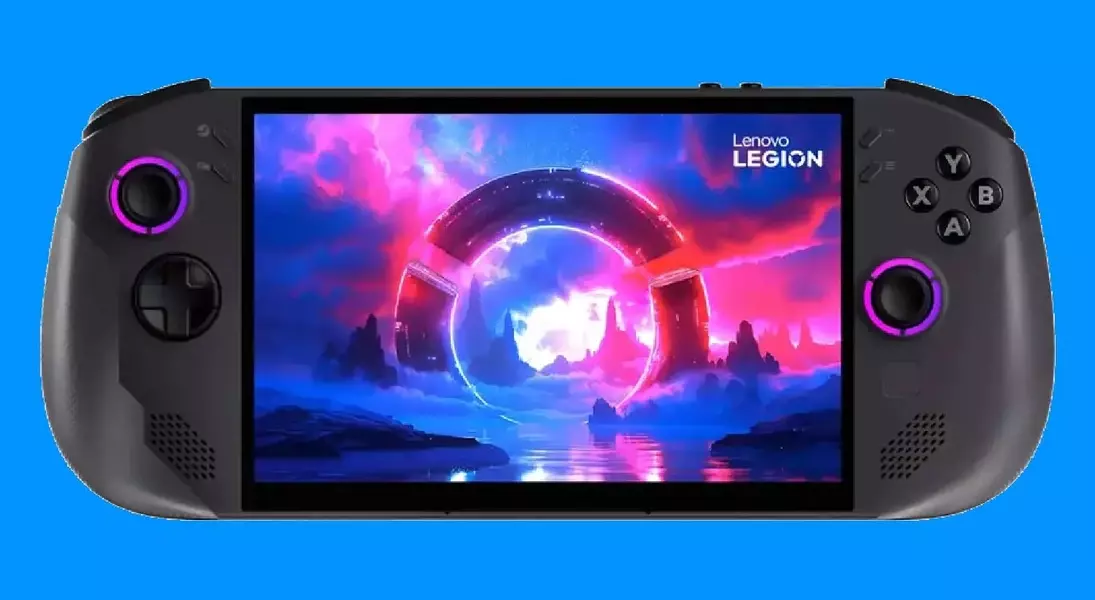
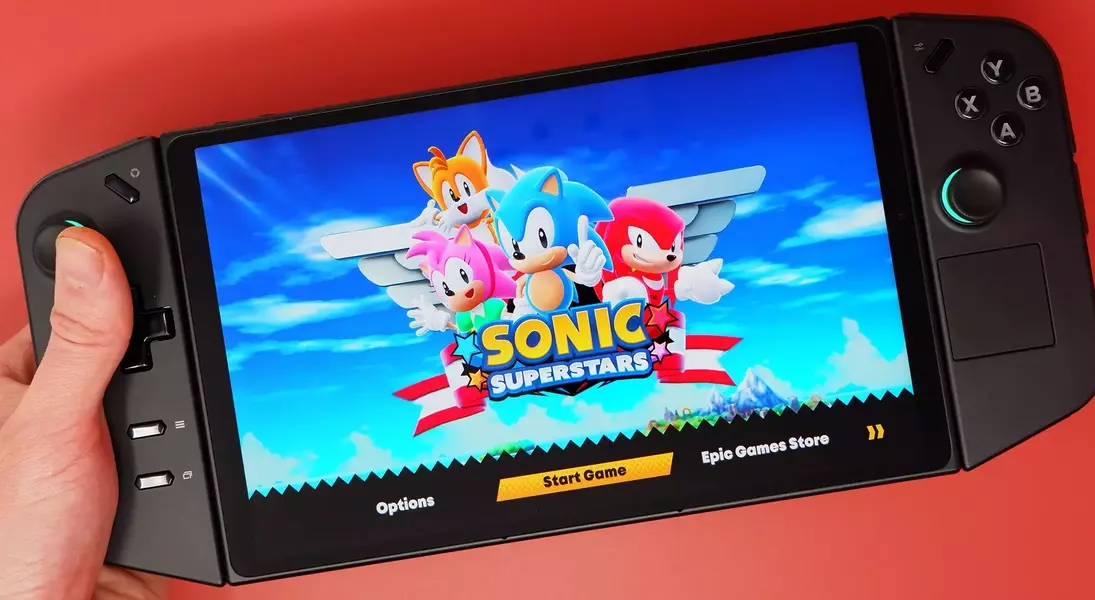
After extensive evaluation of numerous contemporary handheld gaming devices, one model consistently rises above the rest: the Lenovo Legion Go S SteamOS. Its stellar performance is largely attributed to Valve's optimized SteamOS, combined with an exceptional 8-inch display and remarkably ergonomic design. This combination ensures a smooth, immersive, and comfortable gaming experience.
Affordable Excellence: The Value Proposition of the Steam Deck
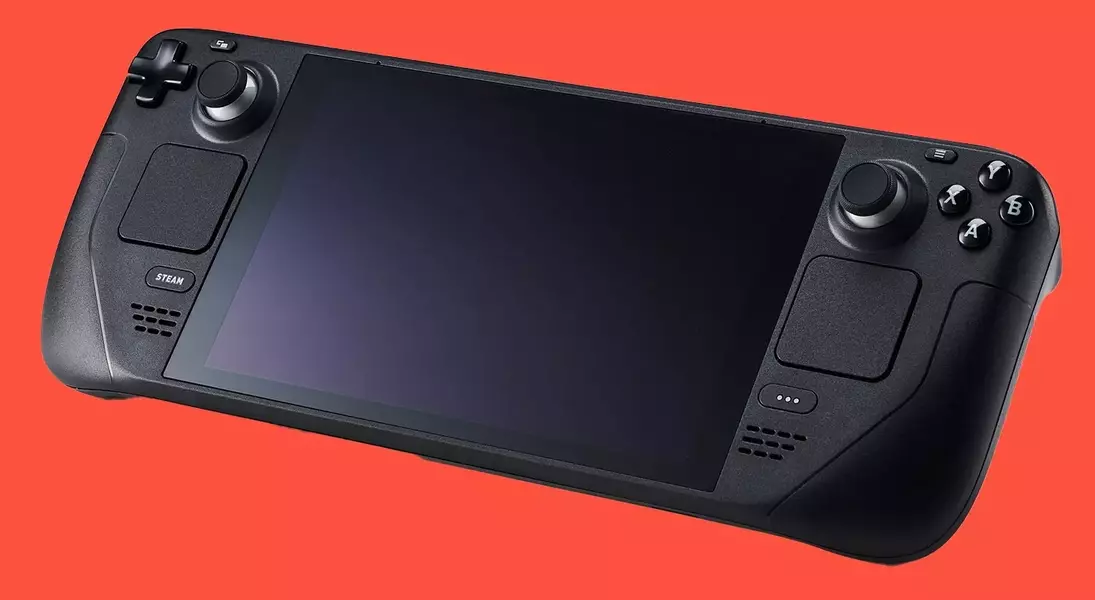
For those seeking a more economical option without compromising on quality, the Steam Deck stands as the best budget-friendly handheld gaming PC. Also powered by SteamOS, it delivers a compelling gaming experience at a significantly lower price point than its competitors. Should a SteamOS-based device not align with your preferences, the ROG Xbox Ally X emerges as the premier Windows-based alternative, offering impressive speed and comfort beneath its distinctive 'Xbox' branding.
October 2025 Update: Highlighting Key Advancements in Handheld Gaming
Significant updates have reshaped the handheld gaming landscape. The Asus ROG Xbox Ally X has been recognized as the top Windows handheld, lauded for its exceptional comfort, quiet operation, and superior gaming performance, despite its premium price. This advancement led to a re-evaluation of our rankings, positioning the MSI Claw 8 AI+ in the 'Also Tested' category. Earlier in July 2025, the Lenovo Legion Go S SteamOS claimed the top overall spot, thanks to its powerful hardware and efficient Valve OS, offering an advantageous blend of performance and cost-effectiveness. The modular Ayaneo 3 was also added to the tested section in May 2025, praised for its innovative design but noted for software limitations and potential durability concerns.
Lenovo Legion Go S SteamOS: A Synthesis of Power and Comfort
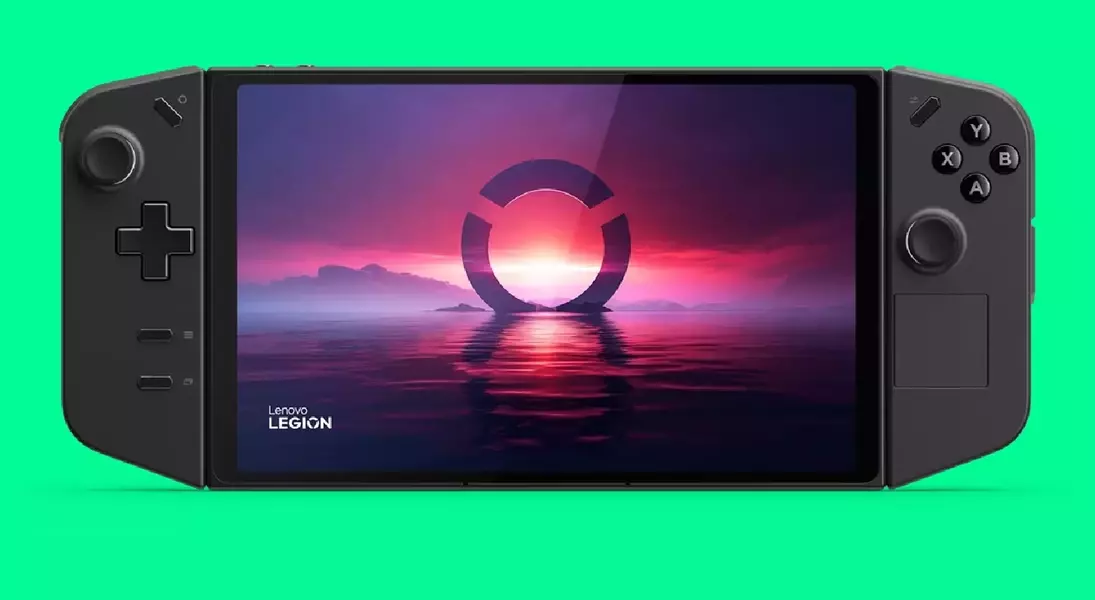
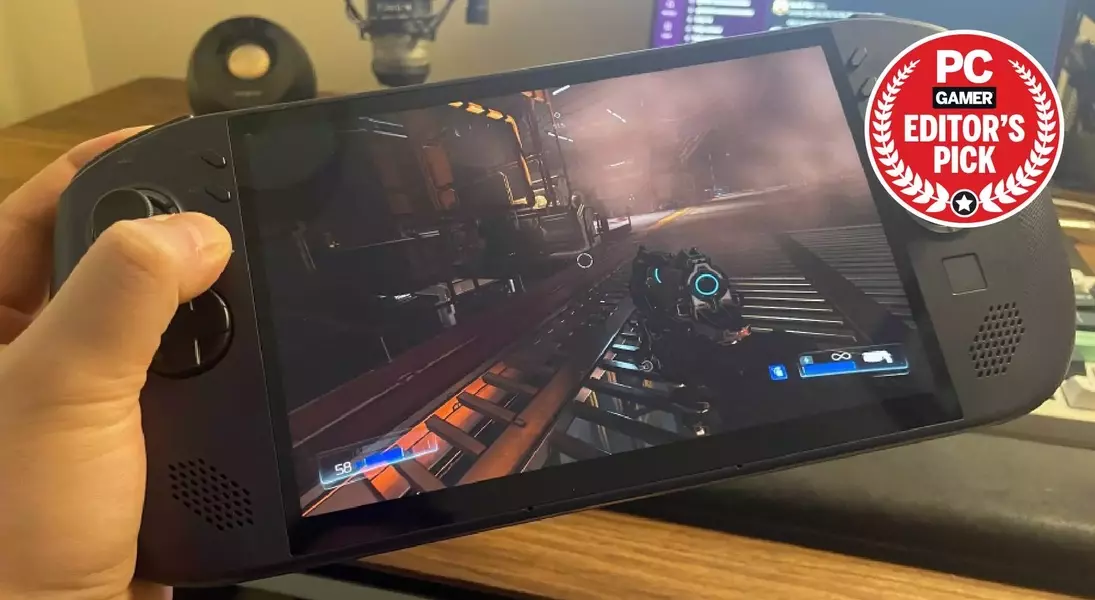
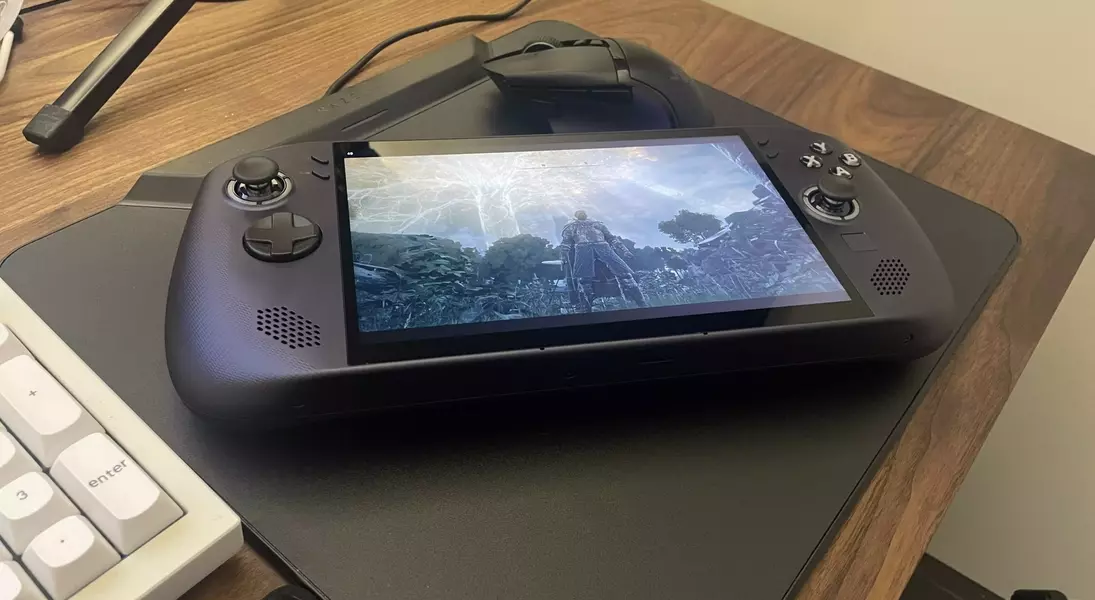
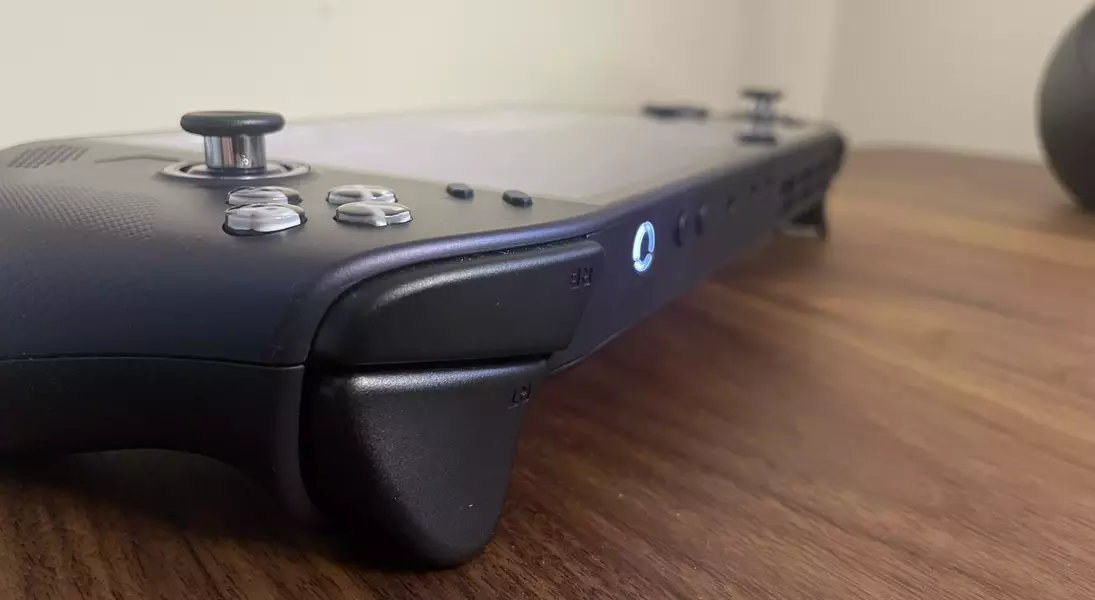
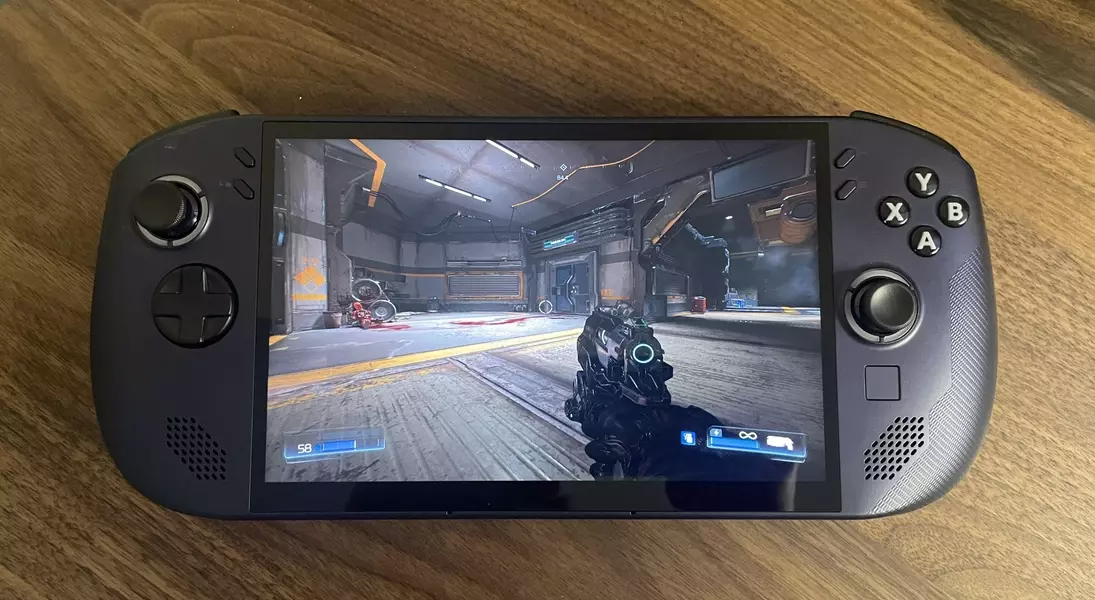
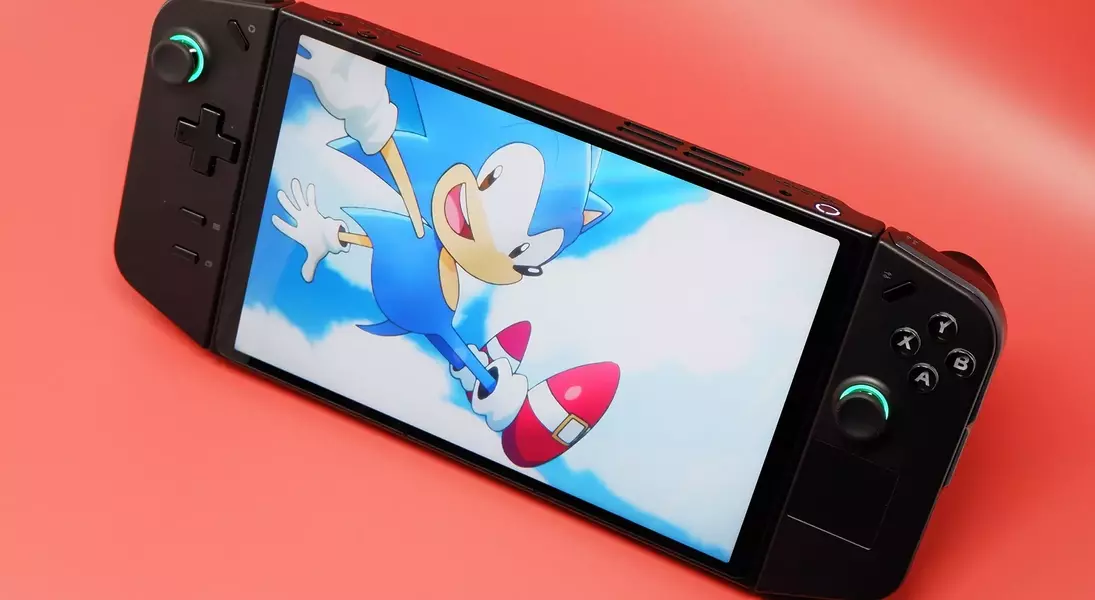
The Lenovo Legion Go S SteamOS sets a new standard for handheld gaming PCs. Its success is intrinsically linked to Valve's operating system, which is a core component of its remarkable functionality, alongside its comfortable design and sophisticated appearance. Lenovo has refined the design from the original Legion Go, addressing its initial bulkiness. The S model features gracefully curved edges, perfectly angled textured grips, and highly responsive buttons and triggers, all while retaining a generous 8-inch screen. This iteration marks a new era for SteamOS, as Valve officially licensed its Arch-based OS to Lenovo. The device utilizes a Ryzen Z1 Extreme processor, which, freed from Windows overhead, often surpasses more expensive, newer-generation handhelds in performance, offering superior frame rates without the premium price tag of the latest hardware. SteamOS simplifies the gaming experience, offering quick boot-ups, seamless game loading, and efficient updates, with minimal tweaking required for smooth gameplay. While its 55.5 Wh battery provides a decent couple of hours of intense gaming in Balanced mode, the Linux-based nature of SteamOS means some games and non-Steam applications may require workarounds or be incompatible. Despite a minor issue with the tiny touchpad in SteamOS, the overall experience is exceptionally fluid, making the Legion Go S SteamOS a benchmark for comfortable and accessible portable gaming.
Steam Deck: Unbeatable Value in Portable Gaming
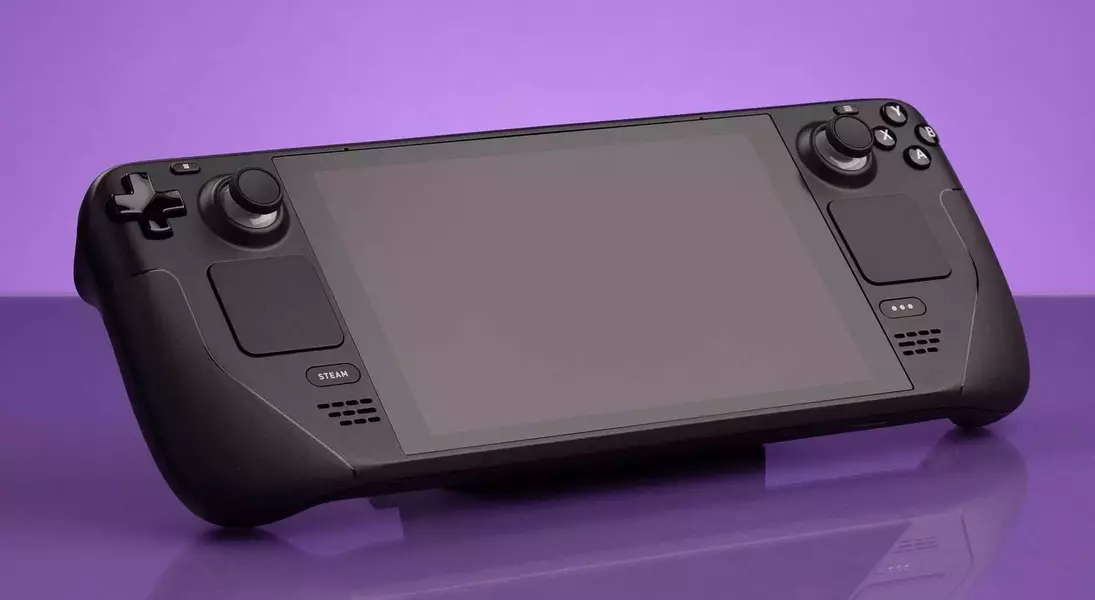
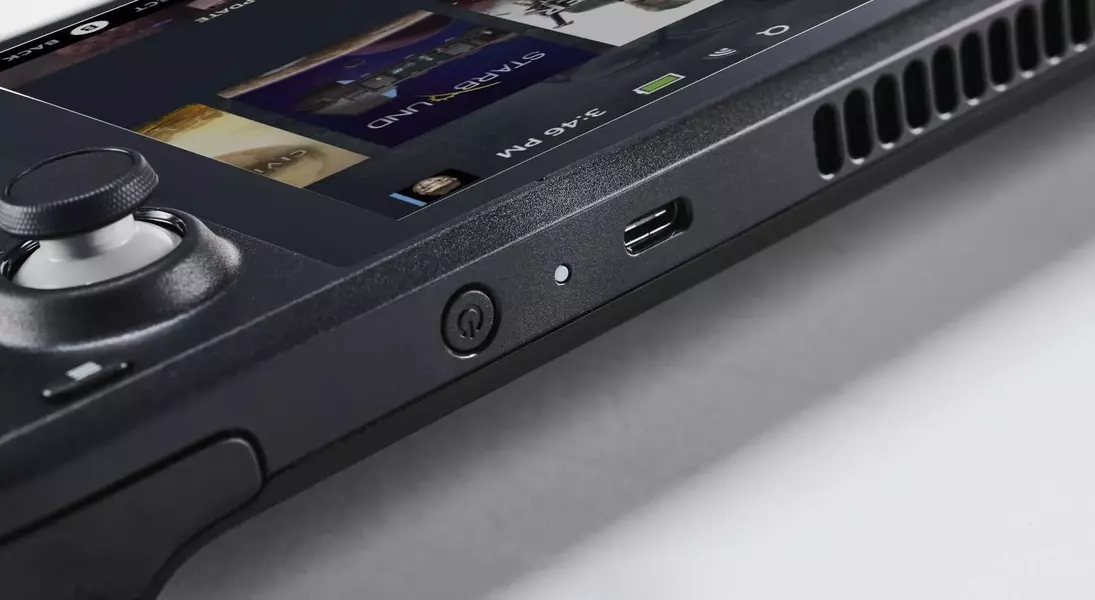
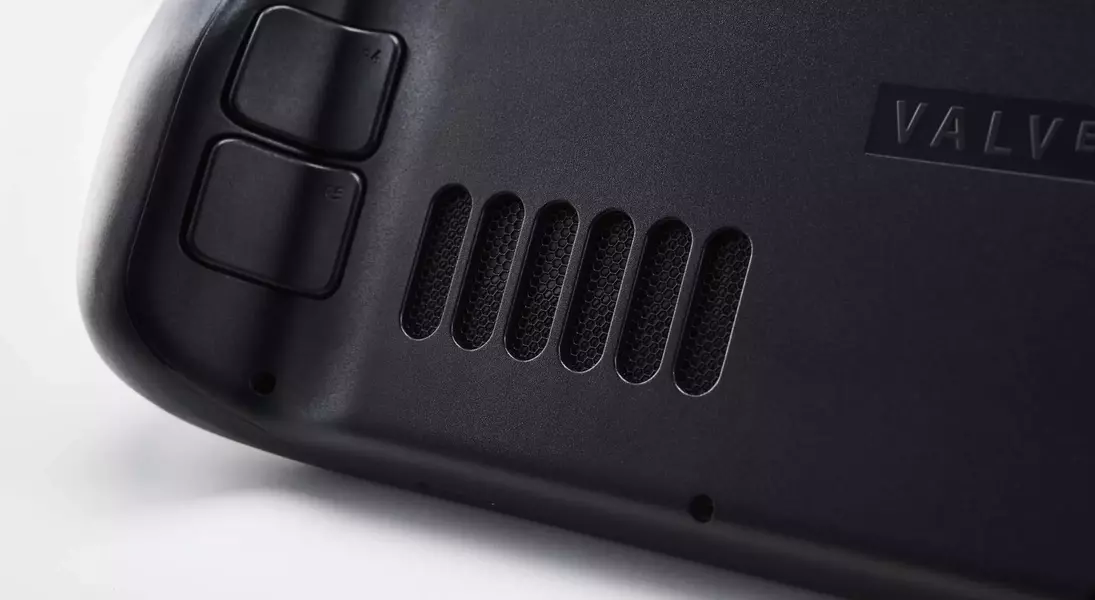
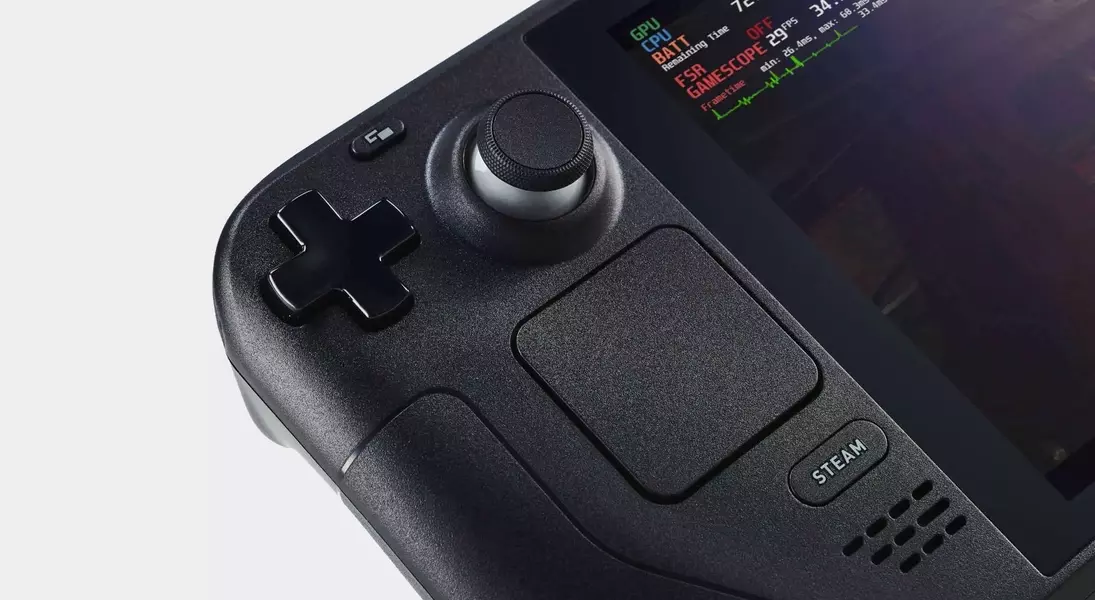
The Steam Deck remains the undisputed leader in budget-friendly handheld gaming PCs, offering a dream-like combination of compactness, affordability, and extensive game compatibility. Its robust build quality ensures a solid feel in hand, distinguishing it as a premium product despite its competitive price. Running on Valve's custom SteamOS (Linux), the device is optimized for gaming, excelling with Steam titles and readily supporting Epic and GOG games via launchers like Heroic. While not the most powerful in terms of raw frame rates compared to high-end desktops, its performance is perfectly adequate for its 800p screen, making it ideal for most modern games and an exceptional indie game machine. Many users, including the reviewer, find it allows more time for gaming on the go or through streaming services like GeForce Now. Its affordability and user-friendly repairability, with official parts and simple DIY guides available, further enhance its appeal. Although newer models like the OLED Steam Deck offer enhanced screens and battery life, they venture into a higher price bracket, making the original Steam Deck a strong contender for value-conscious gamers. Despite its bulkier profile and moderate battery life, the Steam Deck offers unmatched value and transforms the gaming experience by making it more accessible.
Asus ROG Xbox Ally X: Pinnacle of Windows Handheld Performance
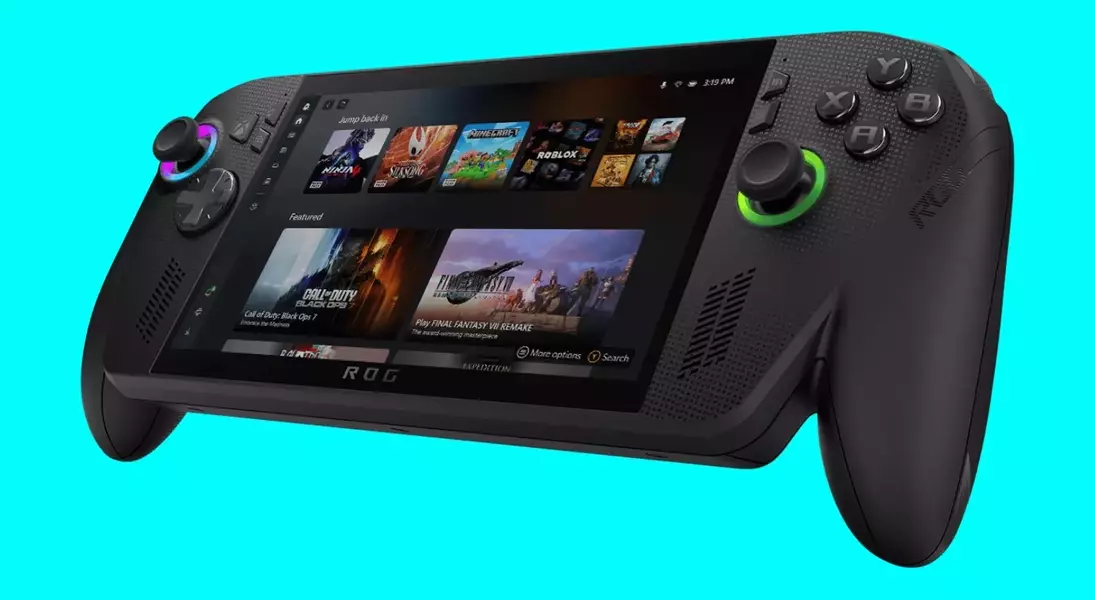
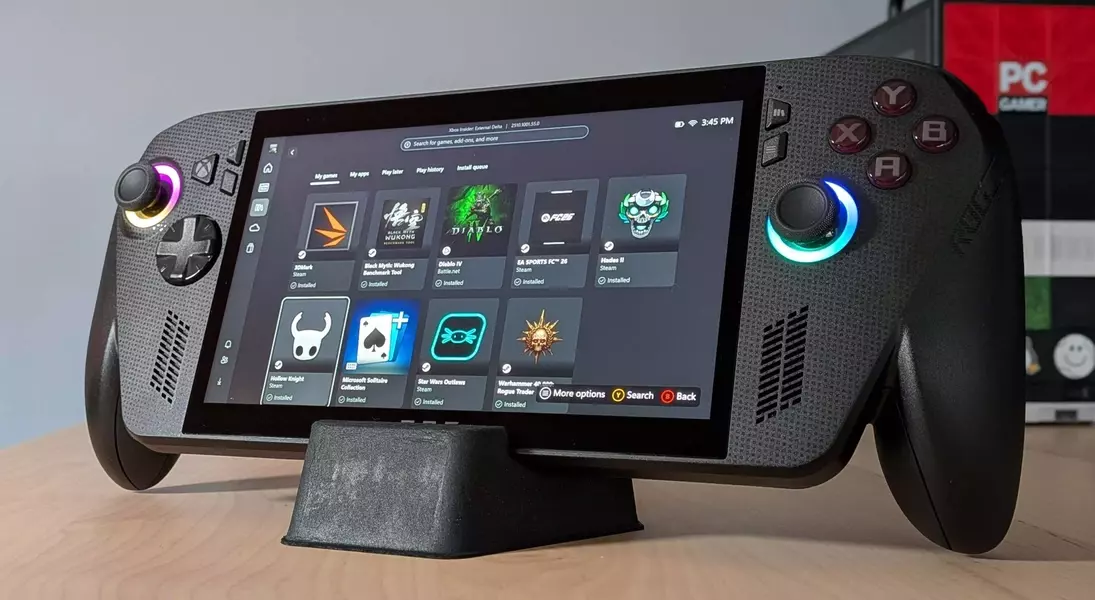
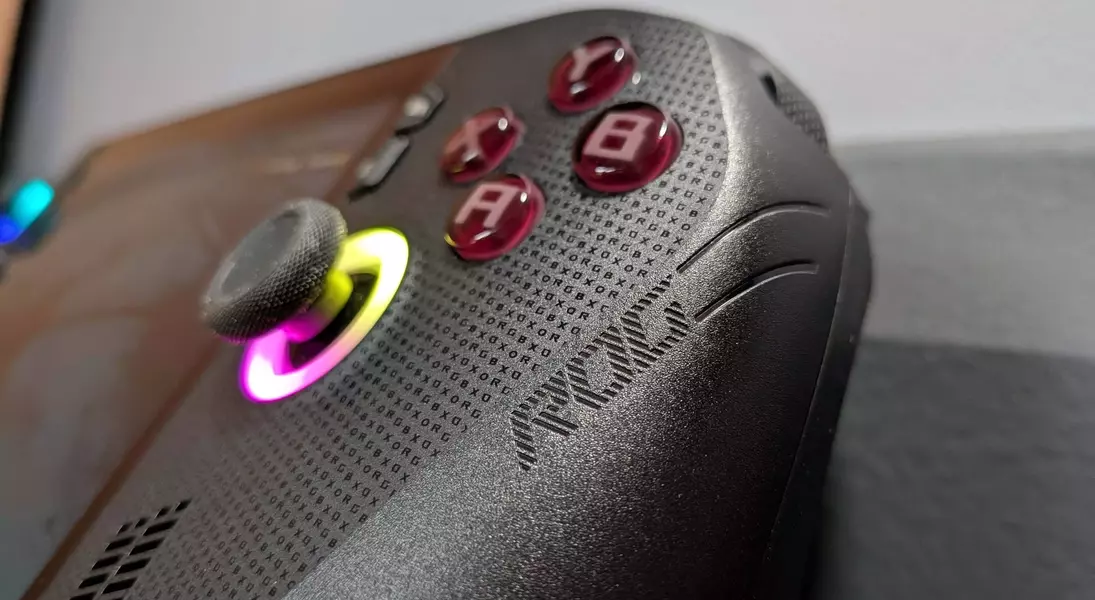
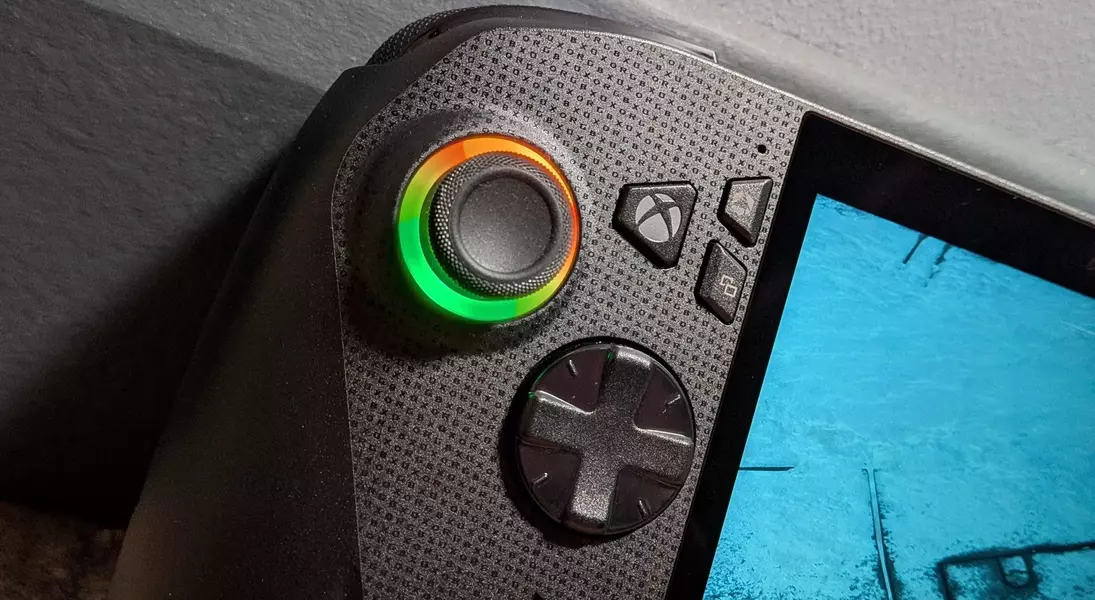
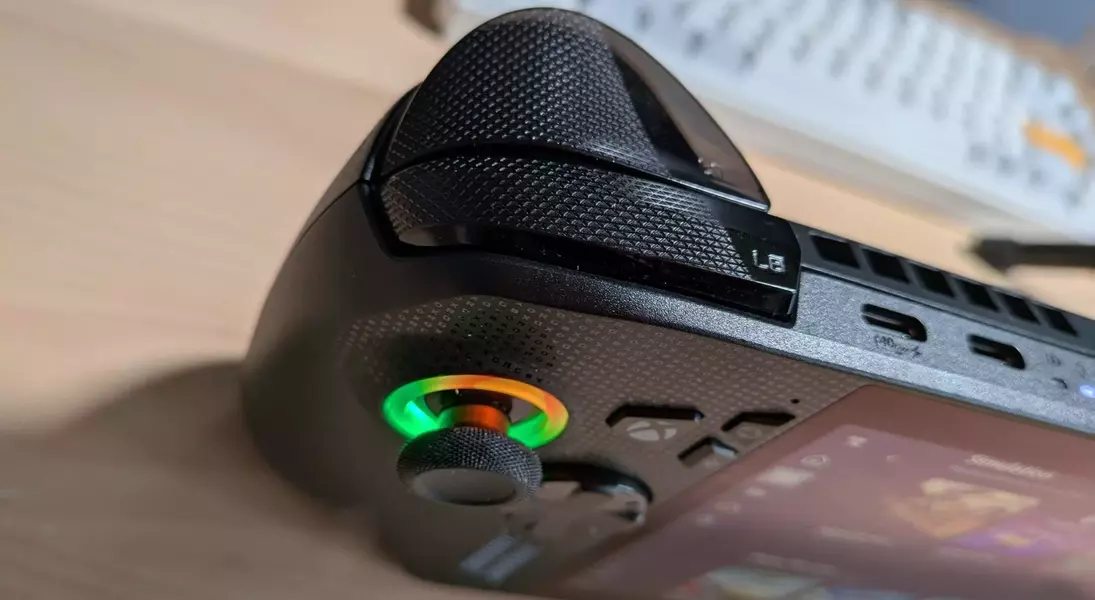
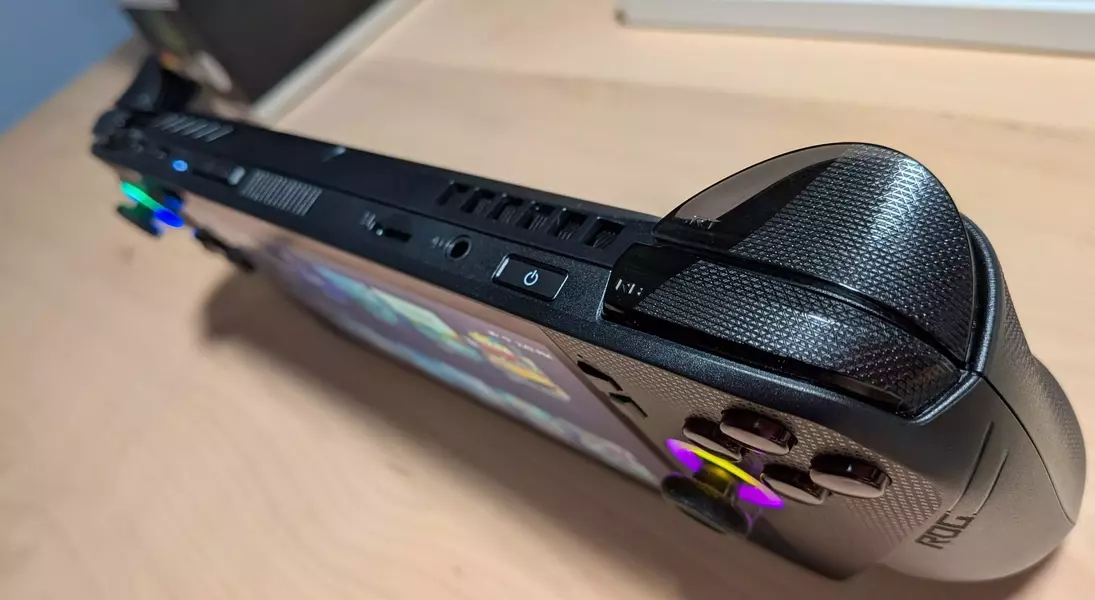
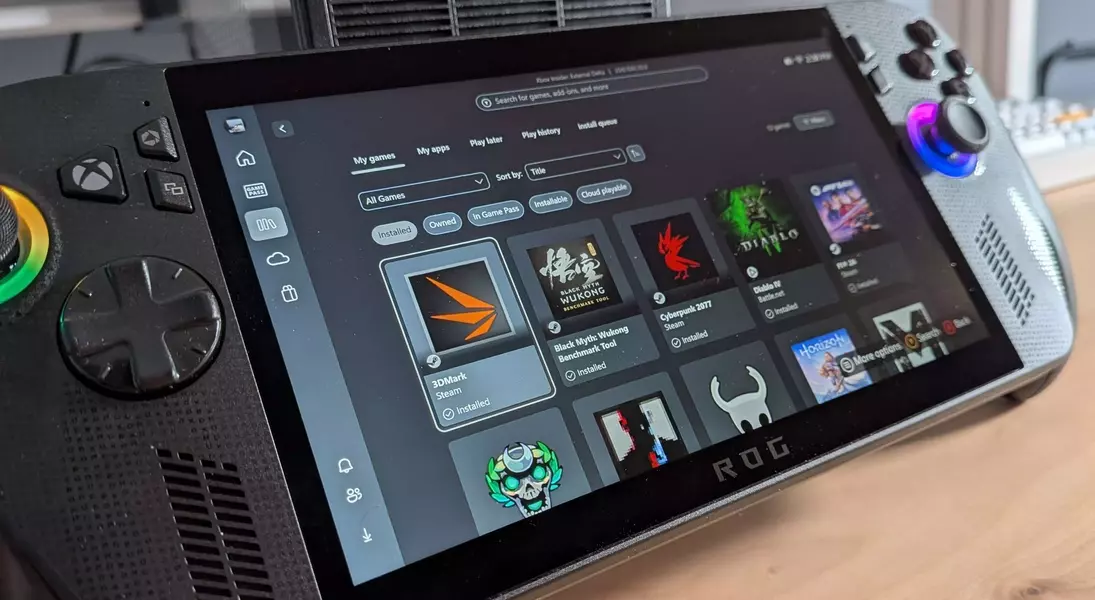
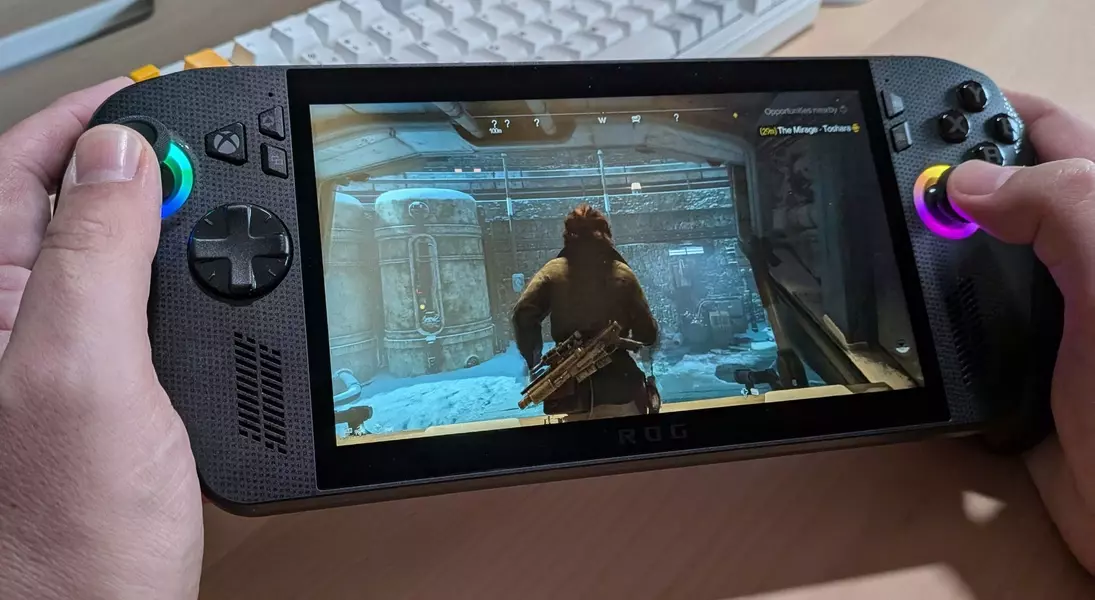
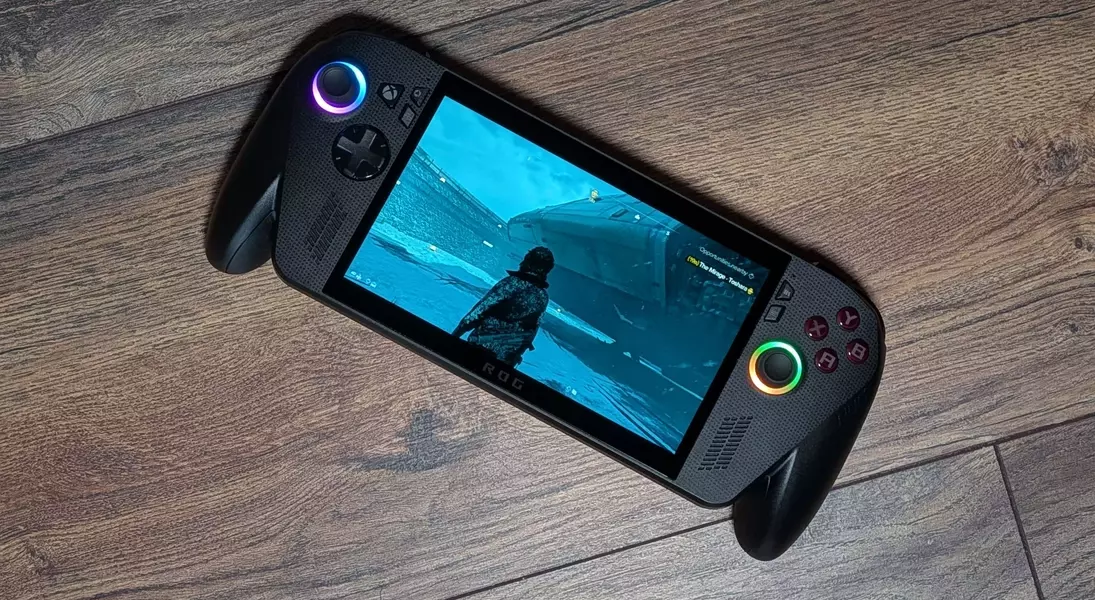
Despite its branding, the Asus ROG Xbox Ally X stands out as a formidable Windows handheld gaming PC, recognized for its exceptional design and top-tier performance. Running on Windows 11 beneath an effective Xbox-style overlay, it offers a seamless gaming experience that largely negates the need to access the traditional desktop mode. While lacking a Quick Resume feature, its quick boot times and efficient sleep mode make for a smooth user interface. However, its significant price tag of $1,000, coupled with the absence of an OLED screen, positions it as a premium device. Despite these costs, it justifies its price with superior gaming frame rates, powered by an AMD Ryzen Z2 Extreme chip. While the performance lead over competitors may seem marginal, it translates into a noticeably smoother gaming experience, especially in demanding titles like Cyberpunk 2077. The device features distinctive side grips that, despite their appearance, enhance ergonomic comfort and contribute to its remarkably quiet operation, even under heavy load. The ROG Xbox Ally X offers a premium, comfortable, and powerful Windows gaming experience, setting a high bar for its category, even if the Lenovo Legion Go S SteamOS offers better overall value.
Lenovo Legion Go: The Ultimate Big Screen Handheld
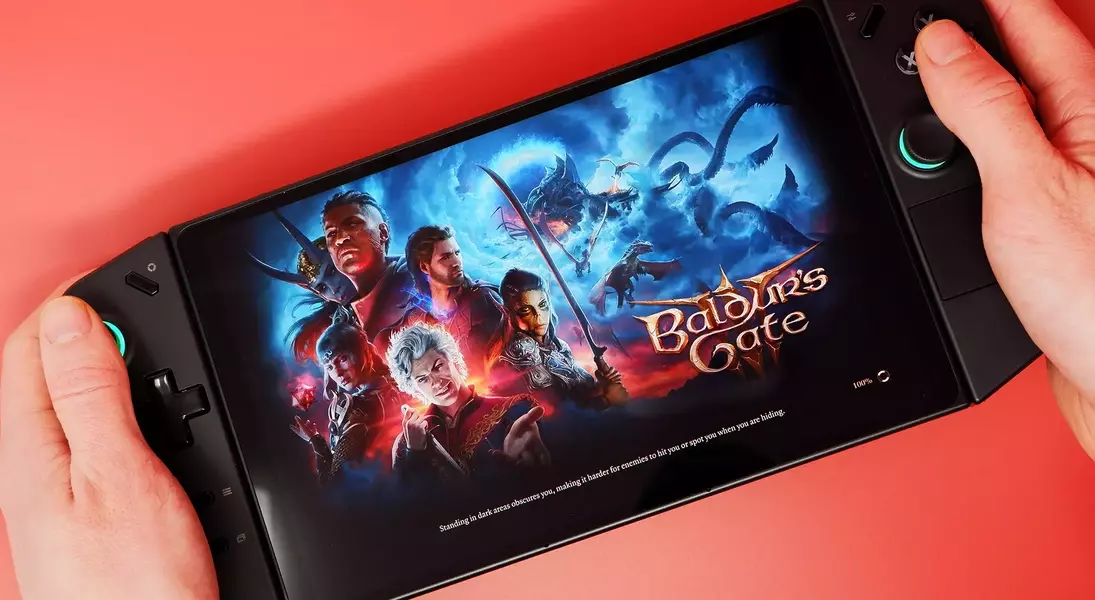
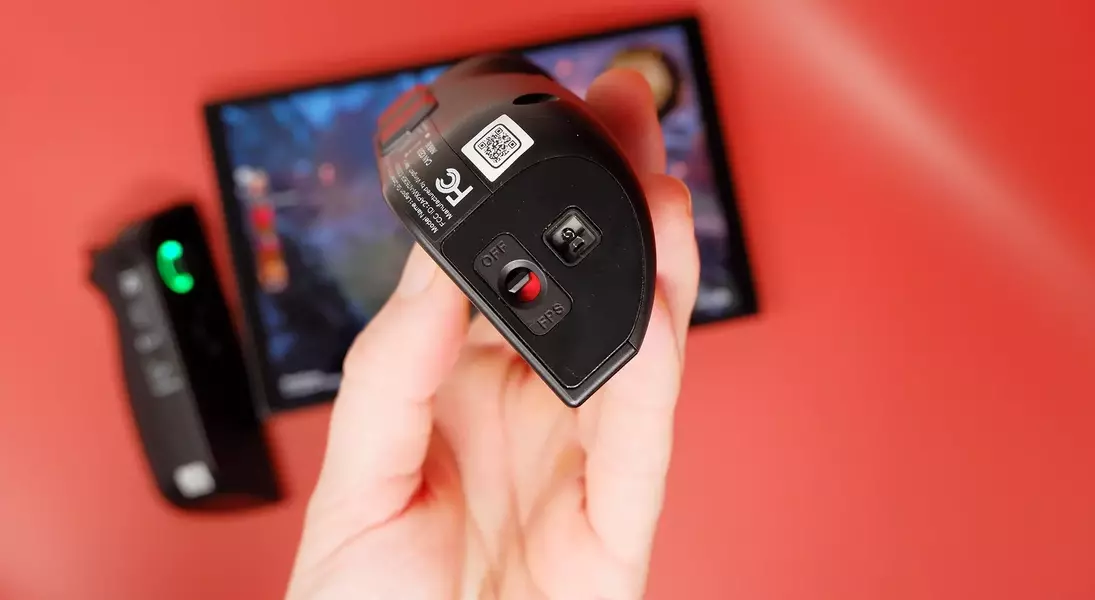
The Lenovo Legion Go distinguishes itself with an impressively large 8.8-inch screen, earning it recognition as the best big-screen handheld gaming PC. Beyond its striking display, it's a powerful and innovative device. Its substantial size, larger than even the Steam Deck, is justified by features such as detachable controllers akin to the Nintendo Switch. These controllers, though potentially cumbersome for some games, enable a unique playstyle where the device can stand freely on its kickstand, allowing for detached controller use. Powered by the same AMD Ryzen Z1 Extreme processor as the Asus ROG Ally X, it delivers robust performance, making it excellent for indie games and capable of handling demanding titles like Baldur's Gate 3 with reasonable frame rate expectations. However, its native 2560 x 1600 resolution often requires downscaling to 1920 x 1200 for optimal performance in many games. Despite its size and the need to adjust resolution, the Legion Go offers significant value, particularly the 512 GB model around the $700 mark, making it an impressive debut for Lenovo in the handheld gaming market. Its large screen and versatile controllers offer an engaging gaming experience, even if its portability is somewhat limited by its dimensions.
Ayaneo Flip DS: Ingenious Compactness and Navigation
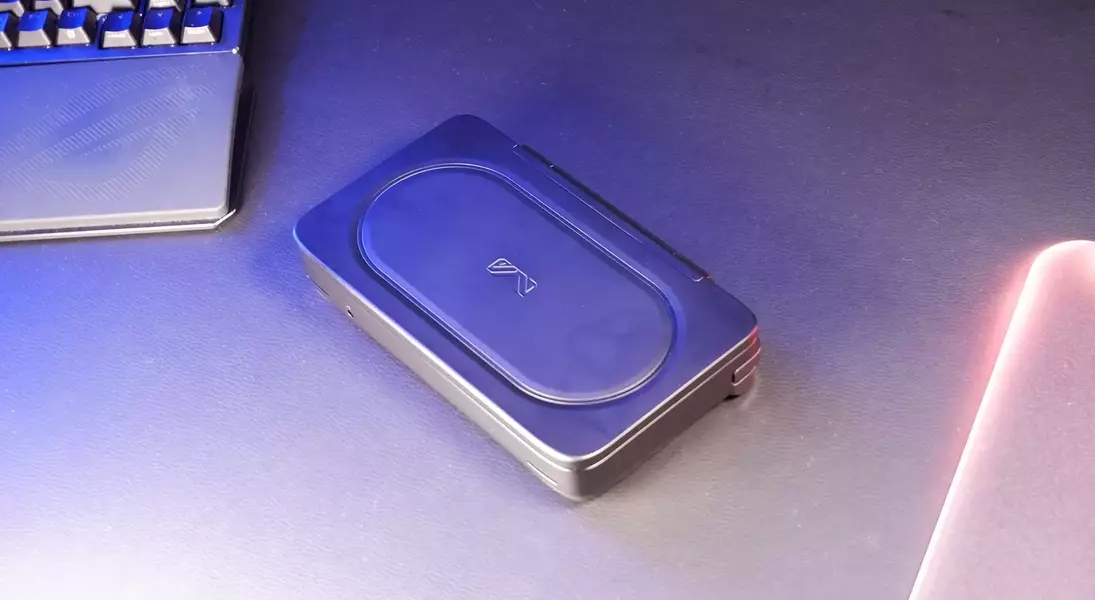
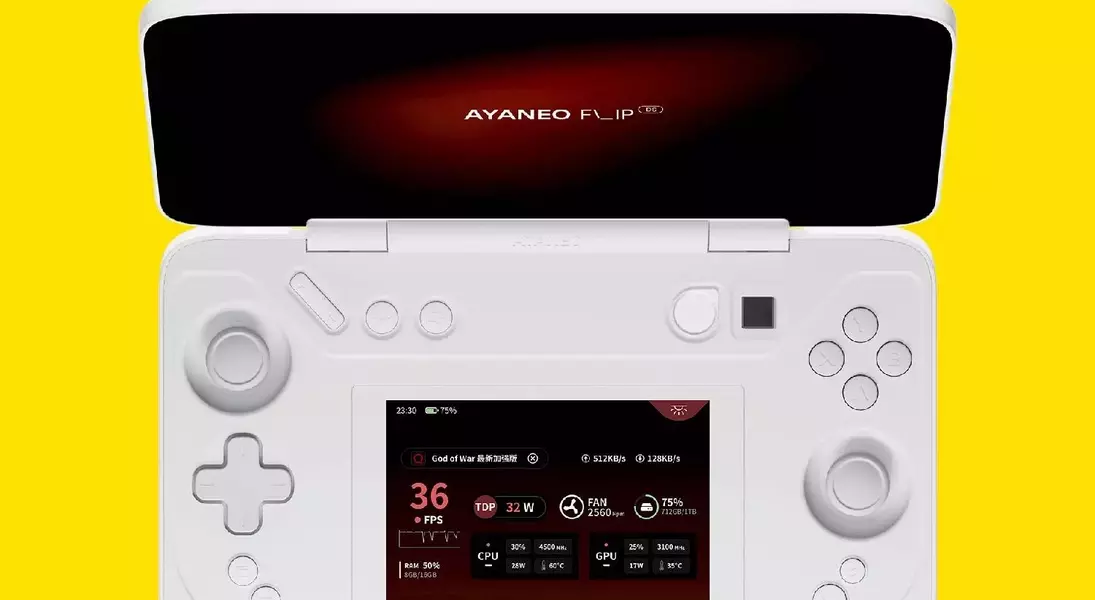
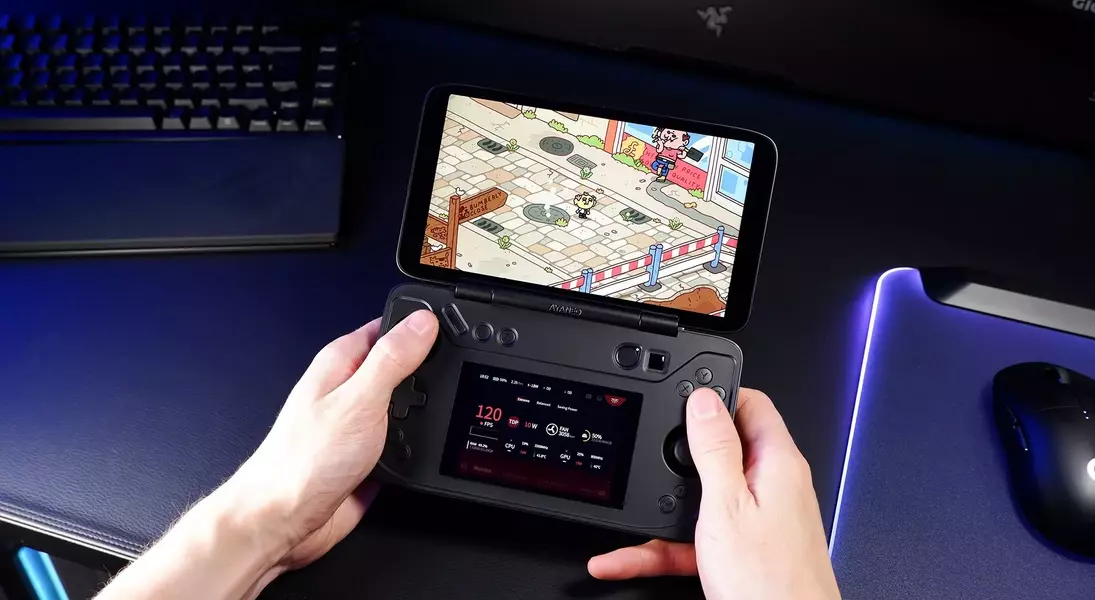
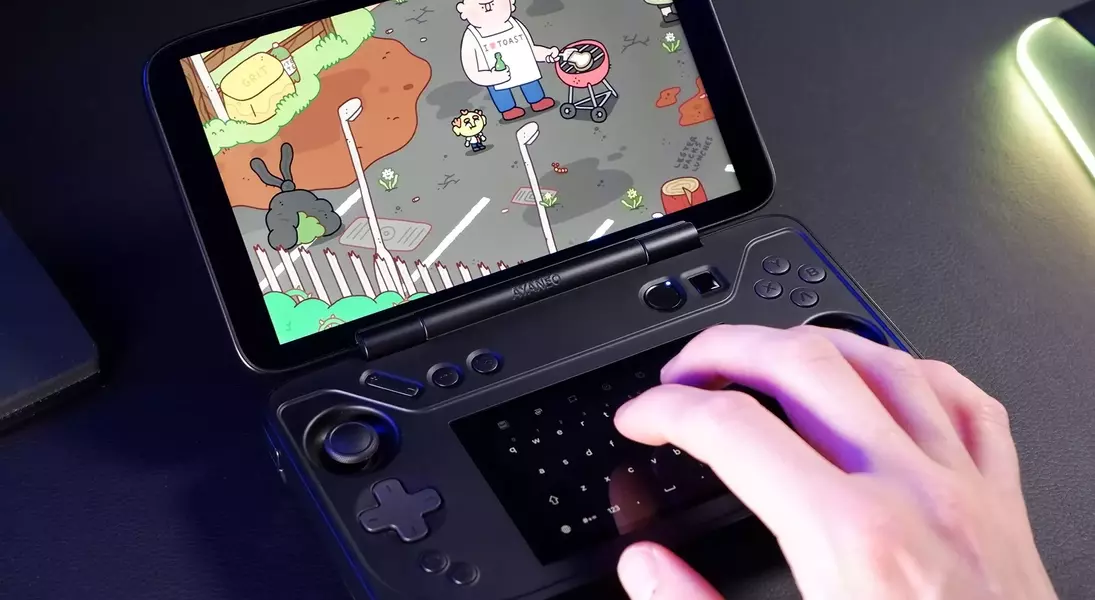
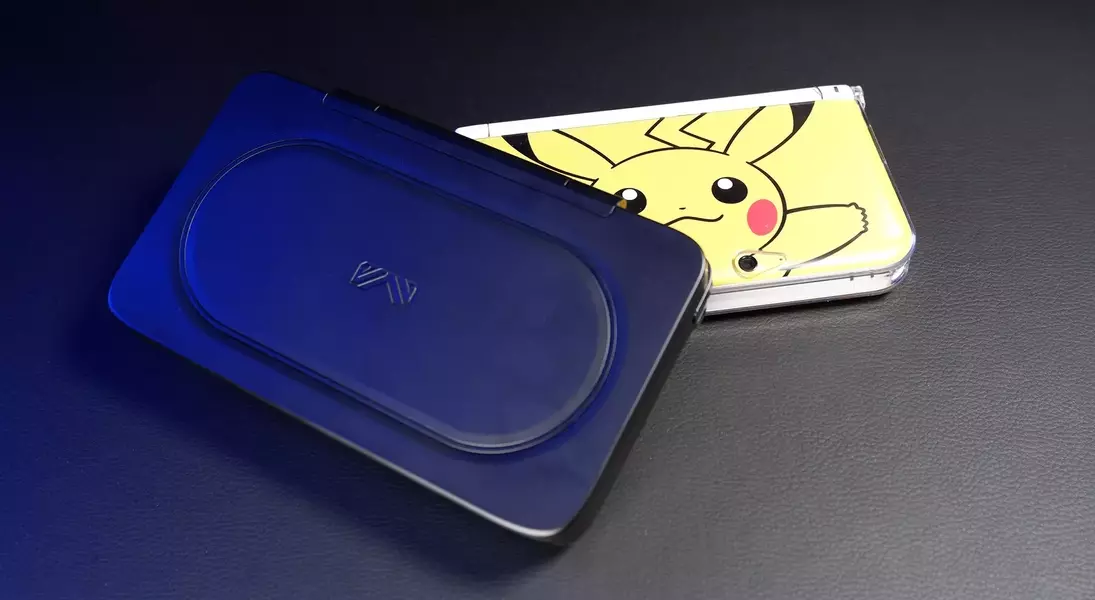
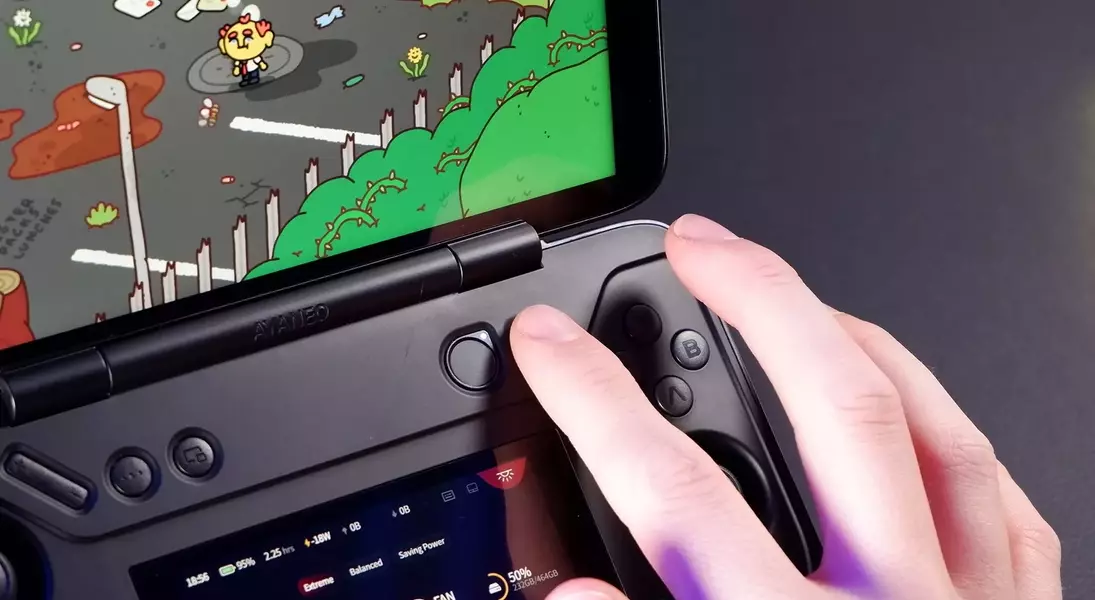
The Ayaneo Flip DS stands out as the premier compact handheld gaming PC, demonstrating that true portability encompasses more than just a small form factor. Its design, reminiscent of the Nintendo DS with its dual-screen, clamshell structure, not only makes it exceptionally portable but also secures the screens and controls during transport. This innovative layout provides an unparalleled user experience for navigation. The main 7-inch, 120 Hz, 1080p display delivers captivating game visuals, while the smaller 3.5-inch lower screen offers versatile functionality as a keyboard, touchpad, or secondary display. This dual-screen setup significantly simplifies Windows navigation and monitoring device performance via the Ayaneo Space application. Equipped with an AMD Ryzen 7 8840U APU featuring RDNA 3 graphics, the Flip DS offers competitive performance comparable to other mainstream handhelds, suitable for most gaming needs. While its battery life is respectable, some alternatives like the Lenovo Legion Go S offer greater endurance. The unique DS functionality, including intuitive mouse control via a nubbin and trigger modifiers, provides a seamless and efficient user experience. The Ayaneo Flip DS exemplifies innovation in the handheld market, prioritizing enhanced navigation, compactness, and overall portability beyond mere raw performance.
Evaluating Portable Gaming Systems: Our Testing Methodology
Our rigorous testing process for handheld gaming PCs mirrors real-world usage scenarios, encompassing both the latest blockbuster titles and popular indie games. This comprehensive approach reveals crucial insights into battery longevity, screen quality during extended use, and the tactile feel of controls after hours of gameplay. Each device is meticulously calibrated to deliver optimal performance, with compatible games being tested across various settings. Fast-paced shooters are utilized to assess screen responsiveness, while visually rich games like Cyberpunk 2077 serve as ideal benchmarks for HDR capabilities. This diverse testing ensures a broad assessment of gaming use cases. Beyond standard benchmarks, we conduct experiential tests to identify any performance bottlenecks, evaluate thermal management during prolonged use, and assess the ease of upgrading components like internal storage. While numerical data is important, we prioritize extensive hands-on experience, akin to using a traditional gaming setup daily. Given the intimate nature of handheld devices, ergonomic comfort is paramount, leading us to test a wide array of game genres to pinpoint each device's strengths and weaknesses.
Frequently Asked Questions About Handheld Gaming PCs
The handheld gaming PC market is constantly evolving, with new devices offering enhanced performance and features. Users often have questions regarding the most powerful options, optimal CPU choices, necessary RAM, and ideal storage capacities. Below are some answers to common inquiries.
The Most Powerful Handheld Gaming PC
Currently, the ROG Xbox Ally X leads the pack in real-world gaming performance among tested handhelds. However, any device equipped with an AMD HX 370 processor is expected to deliver comparable speeds. Intel's Lunar Lake handhelds, such as the MSI Claw 8 AI+, are also rapidly approaching similar performance levels, indicating a competitive and advancing market.
Choosing the Right CPU for Your Handheld Gaming PC
For current handheld gaming PCs, the AMD Ryzen Z2 Extreme, AMD Ryzen AI 9 HX 370, or Intel Core Ultra 7 258V are considered top-tier processors. While newer models are always emerging, previous-generation chips like the Ryzen 7 8840U and Ryzen Z1 Extreme remain strong contenders, especially if found at a good value, offering robust performance for a wide range of games.
Essential RAM for Handheld Gaming PCs
A minimum of 16 GB of RAM is recommended for handheld gaming PCs. This is crucial because handhelds share memory between the system and the GPU (VRAM), unlike traditional desktops or laptops that typically have dedicated VRAM. Allocating a few GB for VRAM from a 24 GB total leaves ample system memory, typically 16 GB or more. Even with 16 GB total, as long as GPU VRAM usage is moderate (e.g., 4 GB), performance remains solid.
Recommended Storage Capacity for Handheld Gaming PCs
While more storage is always beneficial, especially with upgrade options, the sweet spot for commercial handheld gaming PCs is generally around 1 TB. This capacity provides sufficient space for a mix of large-budget titles and smaller indie games, ensuring a well-rounded gaming library is accessible on the go.
