
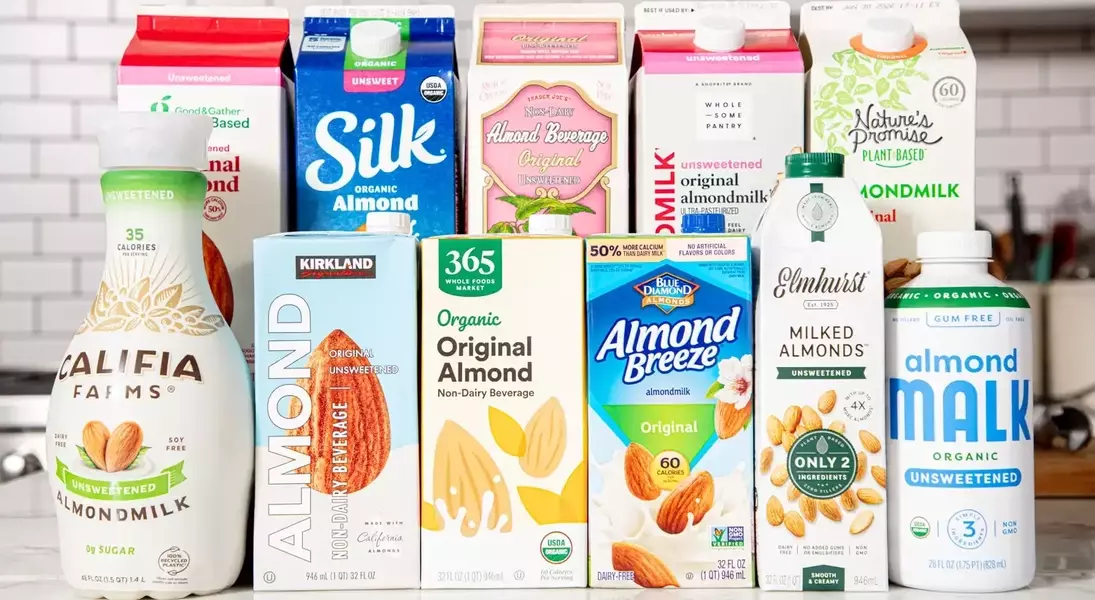
Almond milk, a plant-based beverage with a history spanning over a thousand years, has evolved from a medieval staple to a modern-day dairy alternative. In the contemporary market, where dairy substitutes abound, selecting the ideal almond milk can be a daunting task. To navigate this saturated landscape, an extensive taste test was conducted on 11 readily available brands, meticulously evaluating each for its creaminess, flavor equilibrium, and overall texture. The results revealed a standout overall winner and two commendable runners-up, offering valuable insights for consumers seeking the perfect almond milk for various uses. The rigorous testing methodology ensured an impartial assessment, focusing solely on the sensory attributes of each product.
Detailed Insights from the Almond Milk Evaluation
The quest for the perfect almond milk involved a comprehensive assessment of 11 diverse brands, focusing on three key attributes: body, flavor, and texture. Historically, almond milk has been a dietary staple since the early ninth century, gaining traction in Europe by the 1200s as a shelf-stable dairy alternative. Today, its popularity in the US as a plant-based milk has led to a proliferation of brands, each with unique claims.
The evaluation aimed to identify almond milks that emulate the characteristics of whole dairy milk – a rich, thick consistency, a subtle sweetness, and a smooth, grit-free texture. Furthermore, a natural, distinct nutty almond flavor was a crucial determinant. The ideal almond milk needed to demonstrate versatility, performing well in various applications such as coffee, cereal, and even culinary preparations.
The undisputed champion was Good & Gather Unsweetened Original Almond Milk, available at Target. Testers consistently praised its substantial body, drawing parallels to whole milk. Laila, an associate culinary editor, highlighted its impressive texture despite a mild flavor, emphasizing its potential in coffee. The milk achieved a harmonious balance of drinkability and richness, making it the most adaptable option. Its subtle, yet perfectly balanced sweetness and nuttiness were a welcome contrast to overly sugary alternatives.
MALK Organic Unsweetened Almond Milk secured a runner-up position for its pronounced almond essence. However, its bold flavor profile elicited mixed reactions. While its milk-like body was widely appreciated – editorial director Daniel G. noted its textural similarity to whole milk, and visuals associate director Amanda S. lauded its thickness – the flavor sparked debate. Laila particularly favored its unsweetened nuttiness. Conversely, Daniel found the nutty notes to have an undesirable "stale, dusty quality."
The second runner-up, Nature's Promise Plant-Based Original Almond Milk, distinguished itself as an excellent creamer substitute, widely available at retailers like Hannaford, Stop & Shop, and Giant Food. Its prominent sweetness, however, prevented it from clinching a higher spot. While Amanda found the sweetness appealing, some testers perceived it as excessively sugary, akin to added sugar. Laila described a "warm, vanilla-leaning note that reads artificial." Despite these critiques, its rich, sweet profile makes it an ideal choice for those who prefer sweetened coffee, offering a dairy-free creamer alternative.
The rigorous testing protocol involved blind tastings in random order, preventing bias from brand recognition or palate fatigue. Each tester meticulously recorded their observations based on predefined criteria, ensuring that the final results reflected an unbiased representation of the products' sensory attributes.
This comprehensive evaluation underscores that the 'best' almond milk ultimately depends on individual preferences and intended use. Whether seeking versatility, intense nuttiness, or a sweet creamer, the insights gleaned from these taste tests provide a valuable compass for consumers navigating the expanding world of plant-based milks.
This thorough examination of almond milk varieties offers valuable insights for both casual consumers and culinary enthusiasts. The findings emphasize that while almond milk has a rich historical lineage, its modern iterations require careful consideration of texture, sweetness, and flavor nuances. The distinction between the overall winner, Good & Gather, and its runners-up, MALK and Nature's Promise, highlights the diverse preferences within the market. It underscores the importance of a nuanced approach to product evaluation, moving beyond mere ingredient lists to focus on the sensory experience. Ultimately, this detailed analysis empowers individuals to make more informed choices, tailoring their almond milk selection to their specific tastes and applications, thereby enhancing their culinary journey with this versatile plant-based beverage.
