Even though cooking rice might seem straightforward, achieving perfect results on a stovetop can be surprisingly challenging. This guide introduces a simple, game-changing technique to ensure your rice is consistently fluffy and separated, eliminating the common issue of stickiness caused by excess moisture.
Unlock the Secret to Fluffy Rice: Your Kitchen Towel is the Key!
The Elusive Quest for Perfectly Cooked Rice
Despite requiring only two fundamental ingredients – rice and water – mastering the art of stovetop rice often proves difficult. Chefs frequently grapple with questions like whether to presoak or rinse the grains, the ideal cooking method (gentle steaming versus vigorous boiling), and selecting the precise water-to-rice ratio, all of which contribute to the complexity of rice preparation.
The Frustration of Sticky Grains
While sticky rice is desirable for specific dishes, such as Thai sticky rice, the goal for long-grain varieties is distinct, tender grains. Although modern rice cookers offer a convenient solution, everyday cooking often reverts to the stovetop. The challenge arises when, despite meticulous preparation—including rinsing rice to remove surface starch and using correct water ratios—condensation from the pot lid drips back onto the rice, transforming perfectly cooked grains into a wet, clumpy, and undesirable texture.
The Unsung Hero: A Simple Kitchen Towel
Fortunately, there’s a straightforward remedy, likely found within arm’s reach in your kitchen: a clean kitchen towel. This ingenious method, a staple in professional kitchens for decades, consistently delivers light, fluffy rice. Its effectiveness lies in its ability to manage condensation, making it an indispensable technique for home cooks.
Mastering the Towel Technique
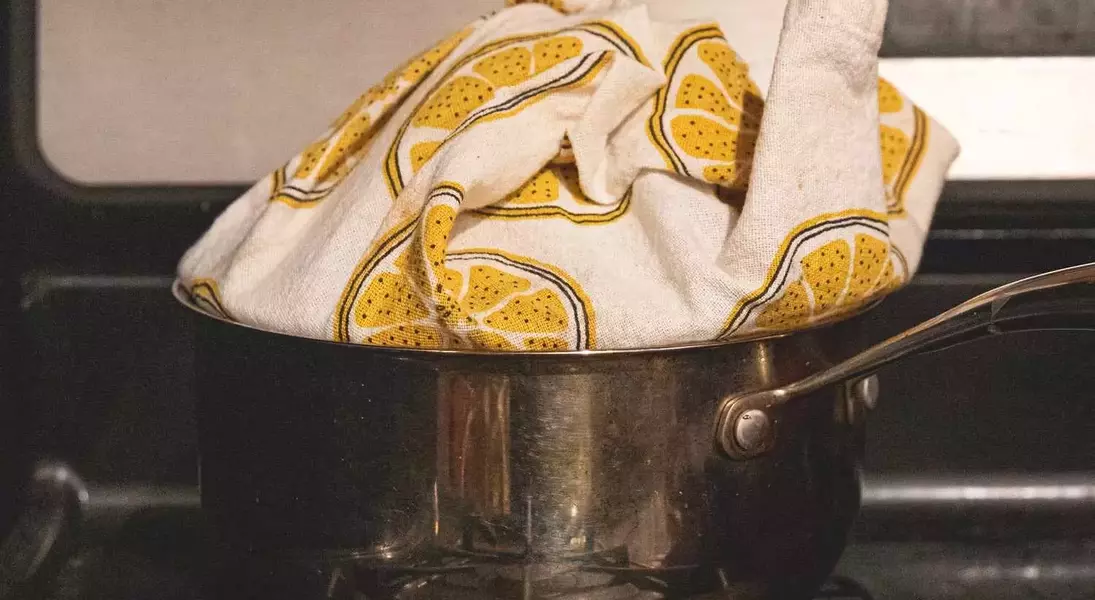
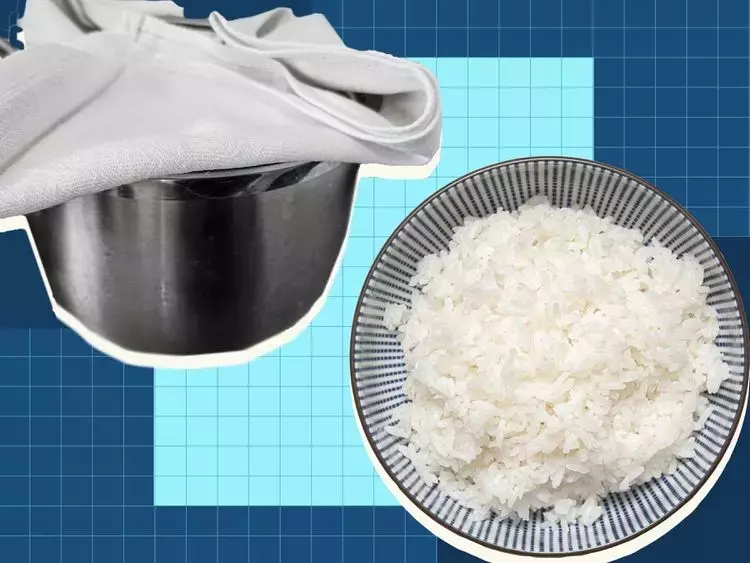
The core of this method involves placing a clean kitchen towel over the pot immediately after removing the cooked rice from heat, then replacing the lid. The rice is then left undisturbed for at least 10 minutes before being fluffed with a fork. This strategic placement allows the towel to absorb steam condensation, preventing moisture from pooling on the lid and subsequently dripping back onto the rice, thereby preserving its fluffy texture.
Beyond Basic White Rice: Versatility of the Method
This kitchen towel trick offers reliable results for a wide array of rice dishes, extending its utility beyond simple white rice. It is equally effective for stovetop pilafs, chicken and rice dishes, brown rice, and any other preparation where eliminating excess moisture is crucial. This small but significant step guarantees perfectly cooked, well-separated rice, ready to be served and enjoyed.
