
Elevate your homemade pizza game from good to gourmet with the right baking surface. This guide delves into the world of pizza stones and steels, revealing how these essential tools can transform your home oven into a high-performance pizza maker, delivering that coveted crispy, blistered crust every time.
Unlock the Secret to Neapolitan-Style Pizza Perfection in Your Home Kitchen!
The Quest for the Perfect Pizza Crust: Stone vs. Steel
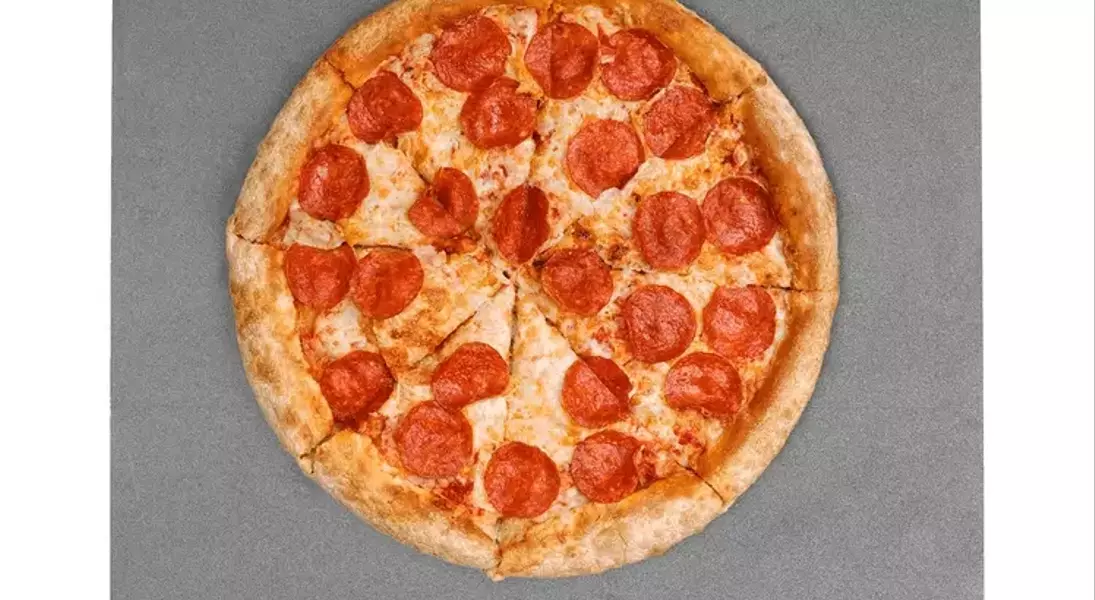
Many home bakers dream of achieving a crispy, restaurant-quality pizza crust. Often, the challenge isn't with the dough itself, but with the baking surface. Traditional baking sheets or standard pizza pans rarely provide the intense, even heat necessary to create that desirable "leopard-spotted" bottom crust found in professional brick ovens. This is where specialized pizza stones and steels come into play, absorbing and retaining heat to mimic an authentic pizzeria environment.
Top Recommendations for Pizza Steels: Our Expert Selections
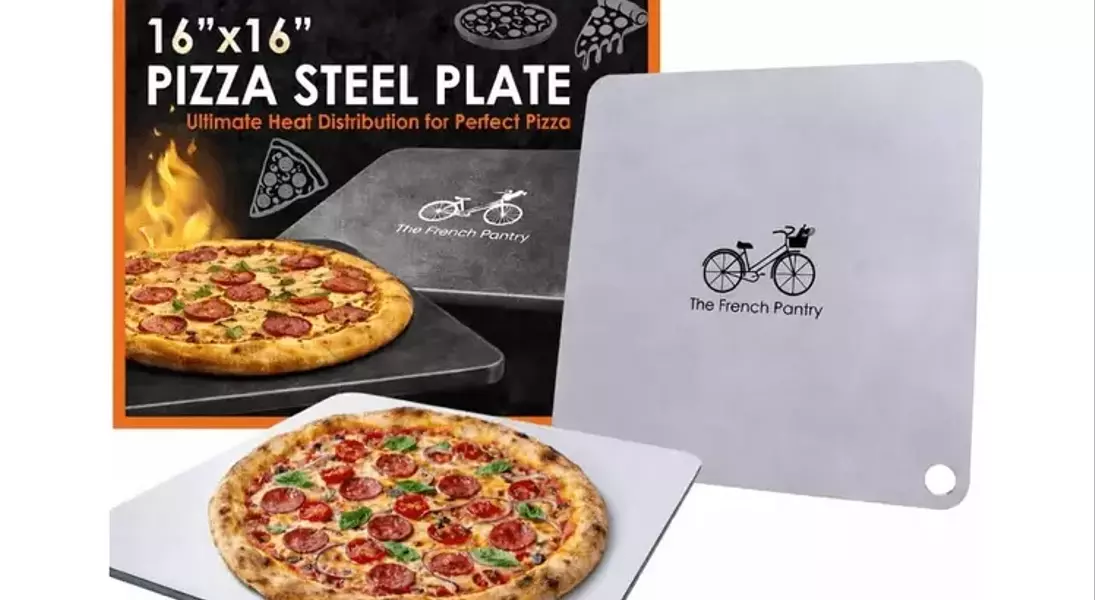
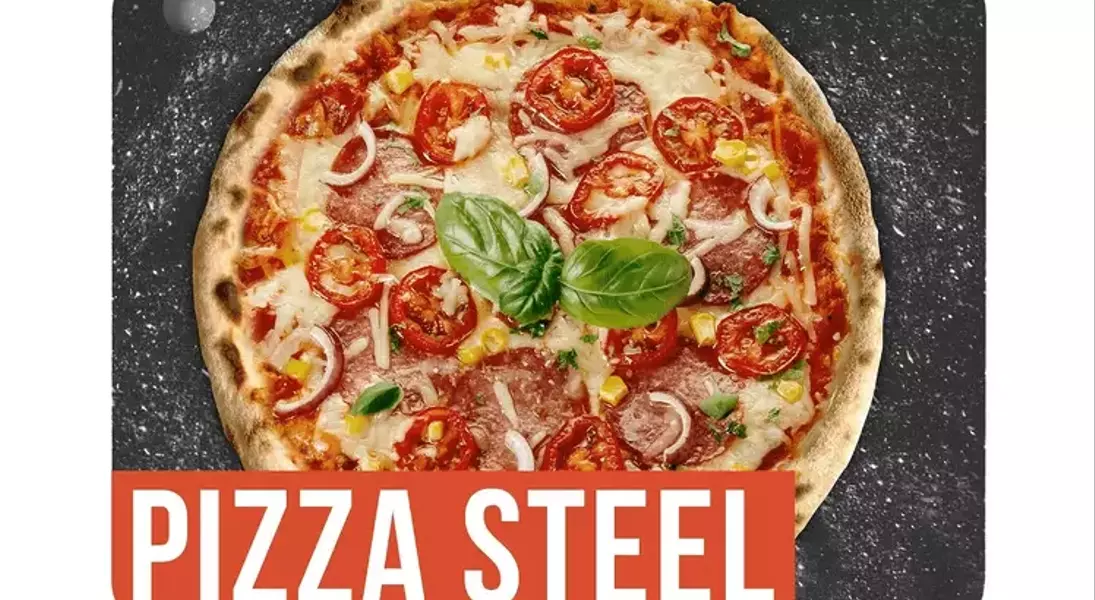
After thorough evaluation, several pizza steels stood out for their performance. The Baking Steel Original earned top honors for its exceptional heat retention and durability, consistently producing crispy, well-baked pies. For those on a tighter budget, The French Pantry Pizza Steel offers impressive results at a more accessible price point, though it requires initial seasoning. Beginners might find the Williams-Sonoma Pizza Steel particularly appealing due to its lighter weight and quicker heating, making it user-friendly for occasional use.
Deep Dive into Premier Pizza Steels: Features and Performance
The Baking Steel Original is a robust, no-frills slab of metal celebrated for its ability to reach and maintain extremely high temperatures, crucial for perfectly charred crusts. Its versatility extends beyond pizza, doubling as a baking surface for various goods or even a cold platter. While its weight can be a minor inconvenience, its superior heat properties and ease of maintenance (when properly cared for to prevent rust) make it a worthwhile investment for serious bakers. The French Pantry Pizza Steel, while more affordable, requires seasoning but delivers comparable crispness and heat retention. The Williams-Sonoma Pizza Steel, with its lighter design and pre-seasoned surface, offers a practical solution for those seeking steel-level performance without the heft or extensive upkeep.
Top Recommendations for Pizza Stones: Our Expert Selections
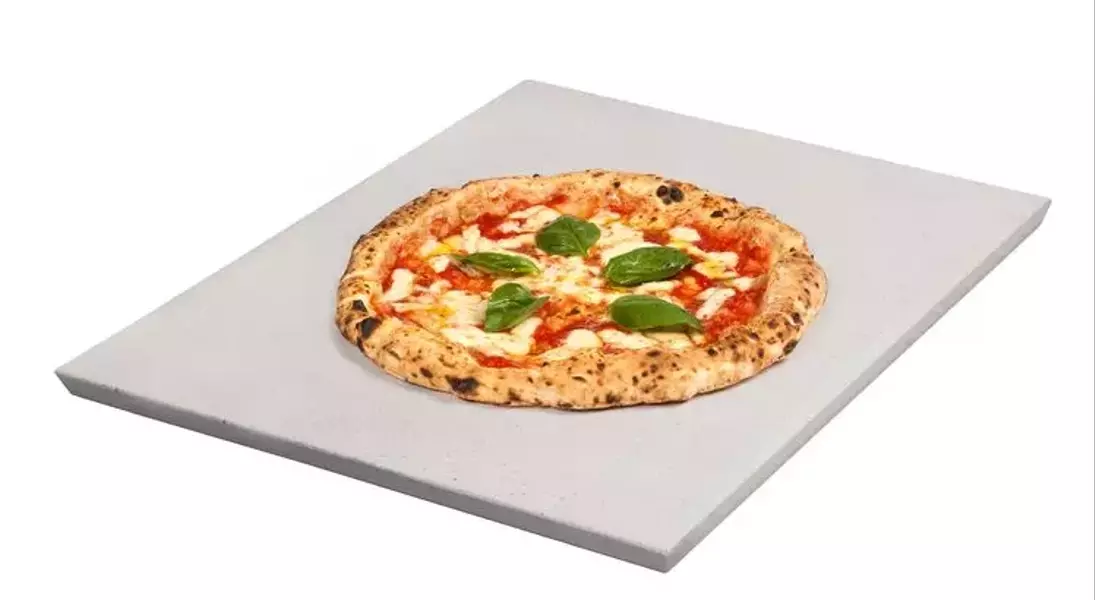
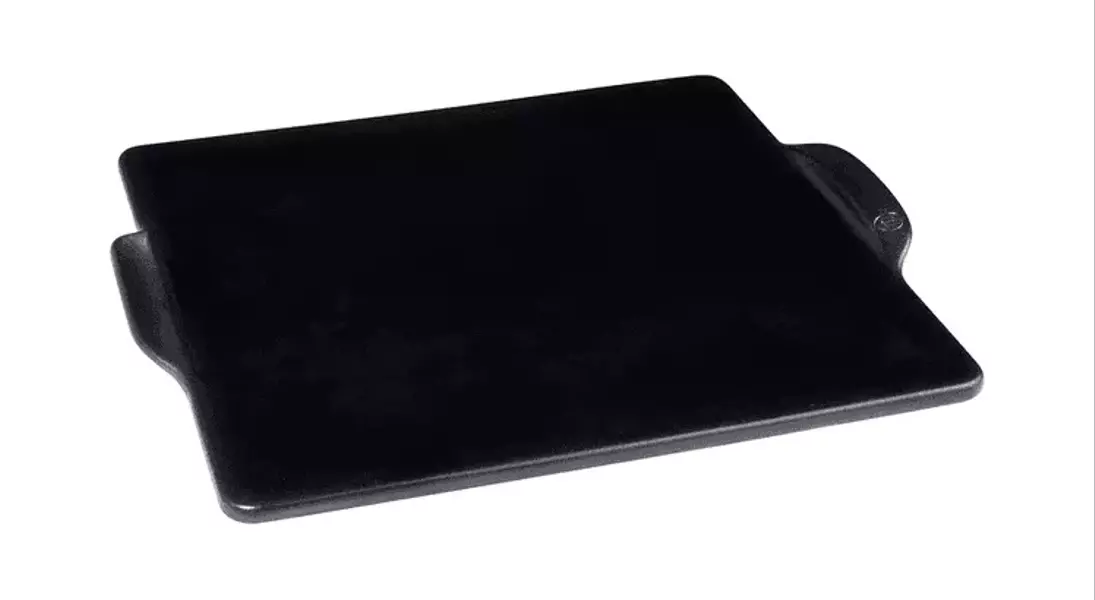
When it comes to pizza stones, the Fibrament-D Baking Stone leads the pack for its commercial-grade performance. Crafted from a unique composite material, this heavy-duty stone excels at retaining heat, producing pizzas that rival those from professional ovens. Its durability promises years of use for avid bakers. For newcomers to pizza stones, the Emile Henry Square Pizza Stone is an excellent starting point, offering a glazed ceramic surface that's lightweight, easy to clean, and less prone to sticking.
Deep Dive into Premier Pizza Stones: Features and Performance
The Fibrament-D Baking Stone is a substantial, rectangular option designed for consistent high-temperature baking. Its proprietary composite ensures excellent heat retention, ideal for those who frequently bake pizzas or other goods and appreciate the science behind precise baking. However, its specialized care instructions, prohibiting submersion in water or soap, can be intimidating for novices. The Emile Henry Square Pizza Stone, conversely, offers user-friendliness with its glazed, lightweight design and convenient handles. Its smooth, non-stick surface and dishwasher-safe nature simplify cleanup, though it may exhibit some temperature variations and is susceptible to chipping if not handled with care.
Rigorous Testing Methodology for Baking Surfaces
Our evaluation process for pizza stones and steels was comprehensive, focusing on heating efficiency, baking consistency, and ease of cleaning. Each product was preheated in a 500ºF oven, with temperature readings taken before and after an additional hour of preheating to assess heat-up times and retention. For baking tests, two pizzas were cooked consecutively on each surface, using store-bought dough for consistency, to gauge even heating and recovery time. Cleaning assessments involved intentionally burning cheese and sauce onto each surface, followed by cleaning according to manufacturer instructions to determine ease of maintenance and potential staining or damage.
Key Considerations for Selecting Your Ideal Pizza Baking Tool
When choosing between a pizza stone and a pizza steel, several factors come into play. Materials are crucial: steel heats faster and retains more heat, offering greater durability but requiring more maintenance against rust. Stones, typically ceramic or composite, heat slower but are lighter and generally easier to manage, though they are more prone to breaking. Glazed stones combine some benefits of both, with easier cleaning but potential for chipping. Size and shape should align with your oven dimensions and baking needs, with larger rectangular or square options offering more flexibility. Heat retention and preheating time are vital for consistent results, especially when baking multiple pizzas. Finally, budget considerations often separate steels (higher initial cost, longer lifespan) from stones (more affordable, but may need replacement sooner).
Optimal Use and Care for Your Pizza Steel or Stone
Many home cooks wonder about leaving their pizza steel or stone in the oven permanently. This practice can indeed help regulate oven temperature and improve heat retention, benefiting other baking tasks. However, it's important to be aware that it might extend both preheating and cooling times for your oven. Also, for optimal performance and longevity, most manufacturers recommend placing these baking surfaces on an upper rack, rather than the bottom of the oven, to prevent accidental spills and facilitate better heat distribution, especially if you plan to clean them regularly.
Other Noteworthy Pizza Steels and Stones
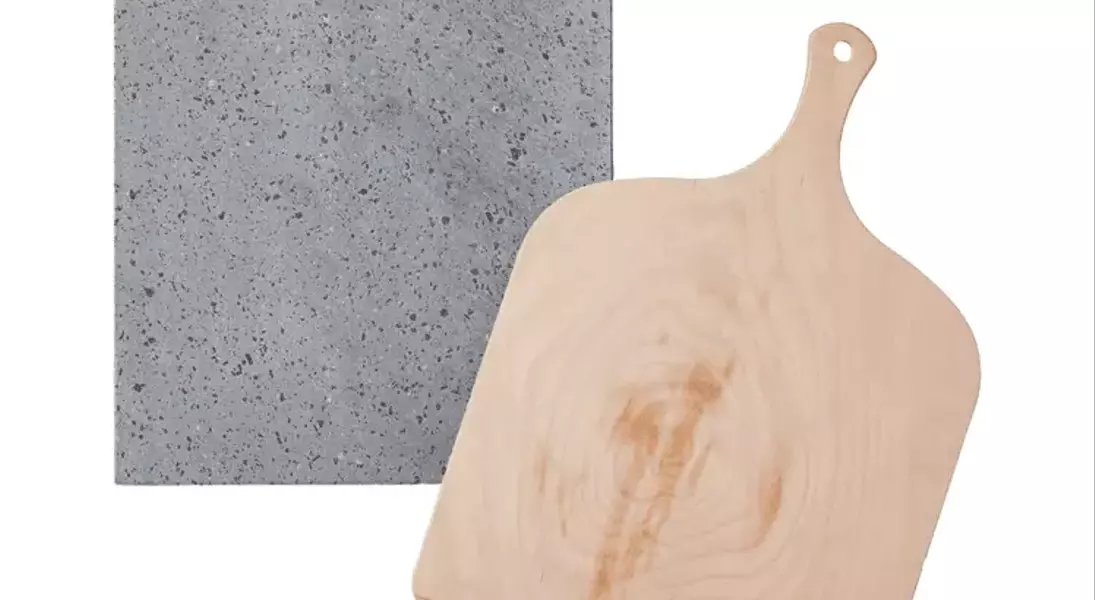
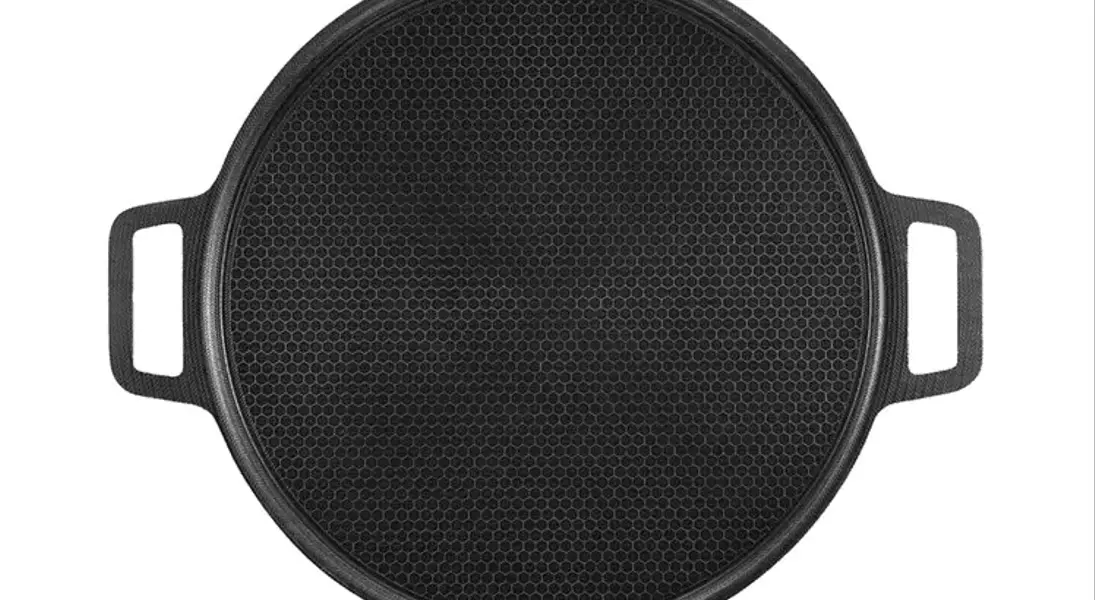
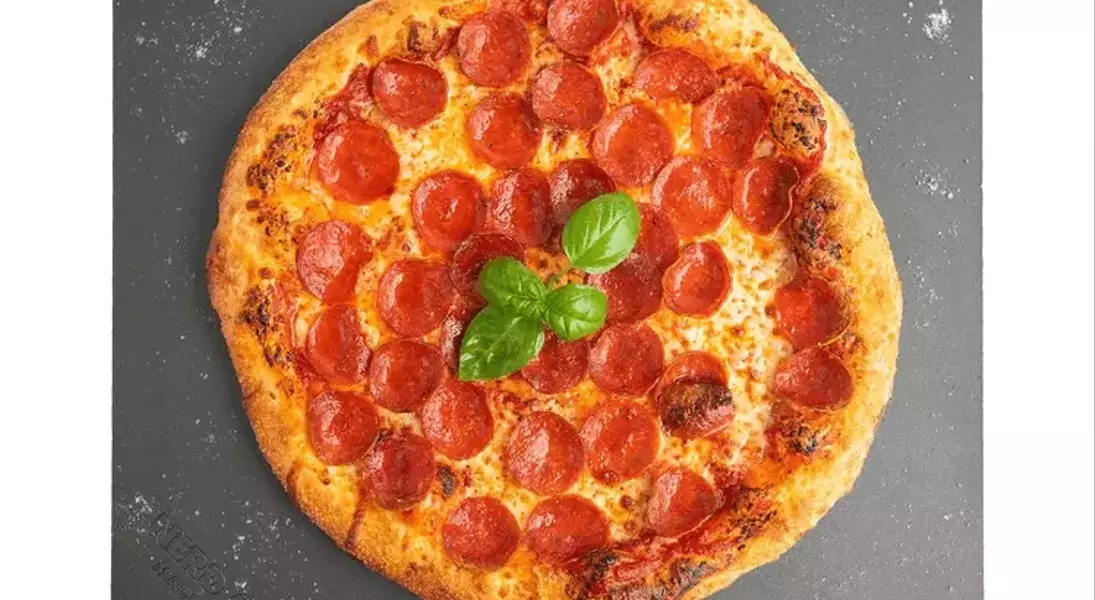
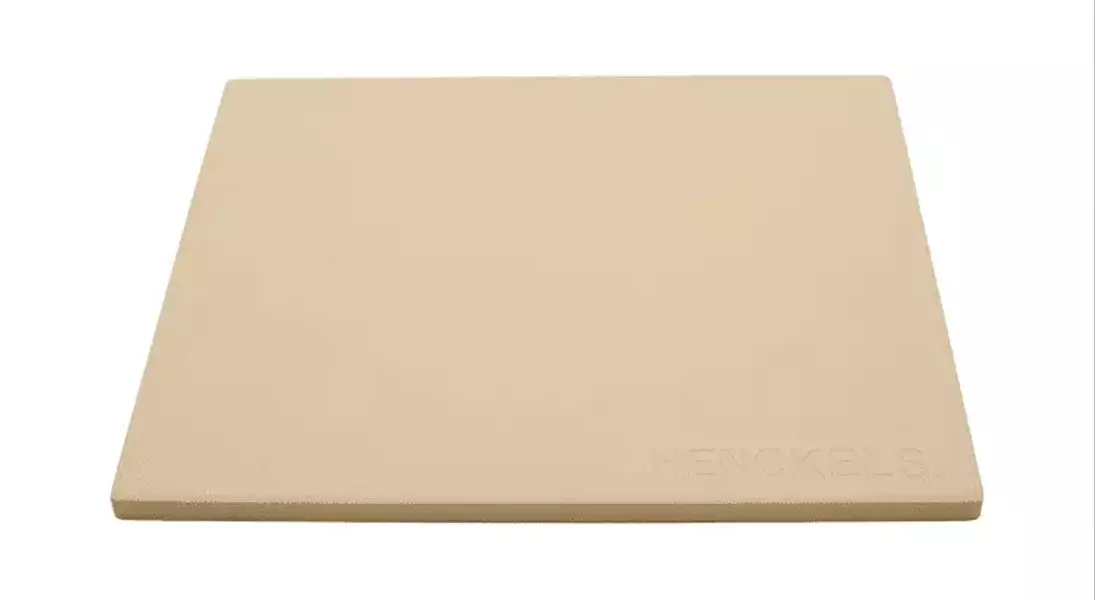
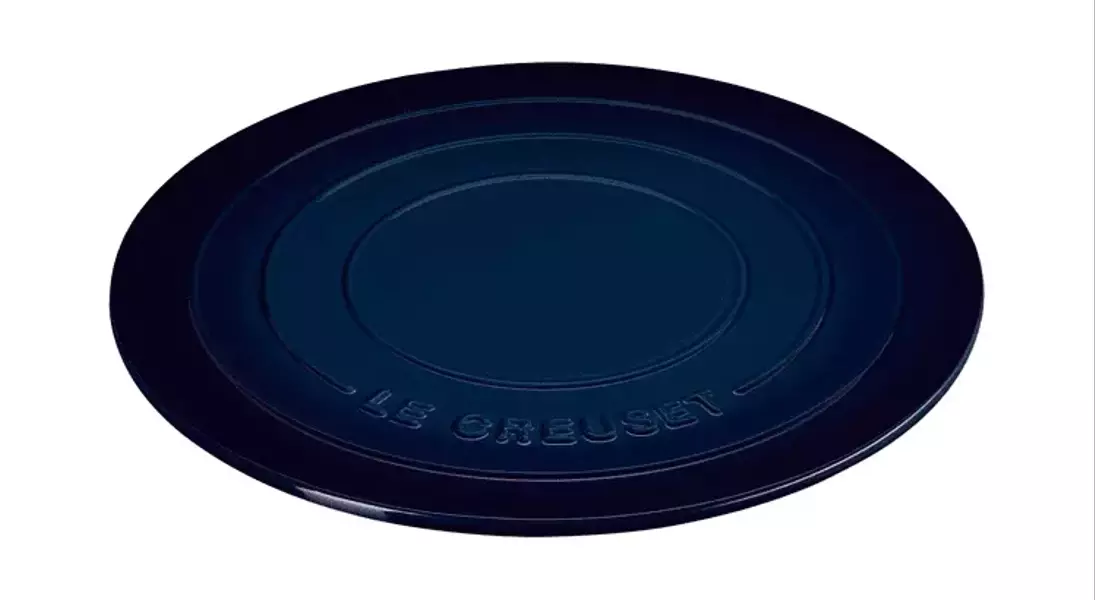
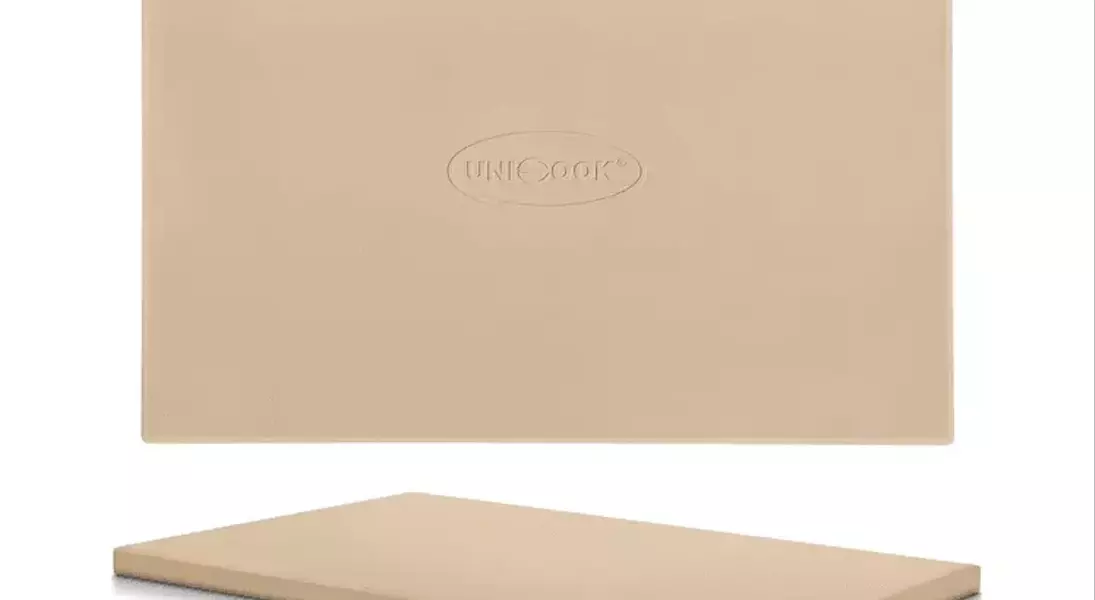
Among other tested products, the Chef Pomodoro Pizza Steel stood out for its even heating and consistent results across various sizes, though its textured surface proved challenging to clean without leaving stains. The HexClad Hybrid Pizza Steel, essentially a pizza pan designed for steel-like performance, impressed with its quick heat transfer and ease of use, particularly for those hesitant about a pizza peel. The Nerd Chef Standard Baking Steel, available in multiple thicknesses, offered rapid heating and excellent heat retention, albeit at a higher price point. On the stone side, the Henckels BBQ Pizza Stone provided a lightweight, versatile option for both oven and grill use, ideal for casual bakers. The Le Creuset Stoneware Round Pizza Stone delivered both style and substance, offering reliable crispness and dishwasher-safe convenience, despite minor staining issues. The Unicook Pizza Stone, while affordable and available in various sizes, showed inconsistencies in cooking times and recovery, and its light color was prone to staining. Lastly, the Williams-Sonoma Lava Stone, a beautiful volcanic rock, produced exceptional crusts but was limited by its smaller size and susceptibility to permanent staining from spills.
Less Recommended Pizza Baking Tools
Several products, while functional, did not meet our higher standards. The Made In Cookware Seasoned Carbon Pizza Steel, though compact and lighter, struggled with heat retention compared to its heavier counterparts and functioned more like a pan. The Nordic Ware 13" Pizza Stone Set, a budget-friendly ceramic option, offered decent results for casual use but lacked the intense browning and recovery time of steels or thicker stones. The Old Stone Glazed Pizza Stone, despite its high heat tolerance, proved difficult to clean and showed inconsistent baking performance between successive pizzas. Finally, the Vevor Pizza Steel, a broadly available option, presented inconsistent cook times and its surface was easily scratched by metal tools, raising concerns about its durability and long-term performance.
