In a significant cultural movement, Ukrainian culinary professionals and enthusiasts are spearheading an effort to move past the influences of the Soviet era on their national cuisine. This involves consciously reducing the prevalence of ingredients like mayonnaise, which became a staple during times of scarcity, and instead focusing on traditional dishes that speak to a deeper, more authentic Ukrainian identity. This shift is not merely about food; it represents a broader reclamation of cultural heritage and national pride, with holiday meals becoming a focal point for this renaissance. As many Ukrainians face new challenges, their culinary traditions offer a powerful link to their history and a symbol of resilience.
Reclaiming Culinary Identity: A Shift from Soviet Staples
Ukrainian culinary scene is experiencing a profound transformation, moving away from the lasting impact of Soviet-era food practices. Historically, the scarcity of ingredients under Soviet rule led to a reliance on readily available, often industrial, condiments like mayonnaise. This practice gave rise to dishes such as 'shuba' (herring under a fur coat) and Olivier salad, which became synonymous with holiday feasts in many former Soviet republics. However, a new generation of Ukrainian chefs and food enthusiasts is actively seeking to redefine their national palate. This movement is driven by a desire to celebrate authentic Ukrainian flavors and traditions, distinguishing them from the broader Soviet culinary landscape. The renewed focus on indigenous ingredients and ancient recipes is helping to restore a sense of cultural ownership and pride in Ukraine's rich gastronomic heritage, moving holiday celebrations beyond the shadow of past political impositions.
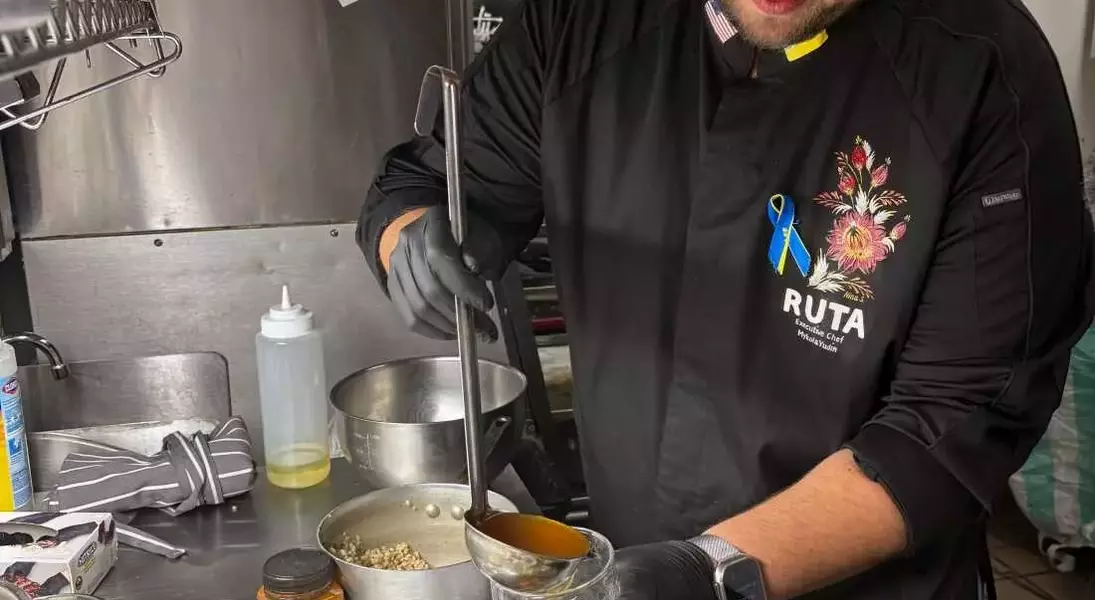
This re-evaluation of culinary roots is more than just a gastronomic trend; it is a cultural and political statement. By consciously moving away from foods that embody the Soviet past, Ukrainians are asserting their unique cultural identity. This involves rediscovering and reinterpreting traditional dishes that predate the Soviet influence, highlighting the distinctiveness of Ukrainian cuisine. Chefs like Mykola Yudin are at the forefront of this movement, delving into historical culinary texts to uncover forgotten ingredients and preparation methods. The emphasis on authentic Ukrainian dishes, particularly for holiday celebrations, serves as a powerful symbol of national unity and cultural resilience. This shift underscores a broader societal effort to rebuild and reinforce Ukrainian culture and traditions in the contemporary world, celebrating native flavors as a testament to their enduring heritage.
The Revival of Traditional Ukrainian Holiday Feasts
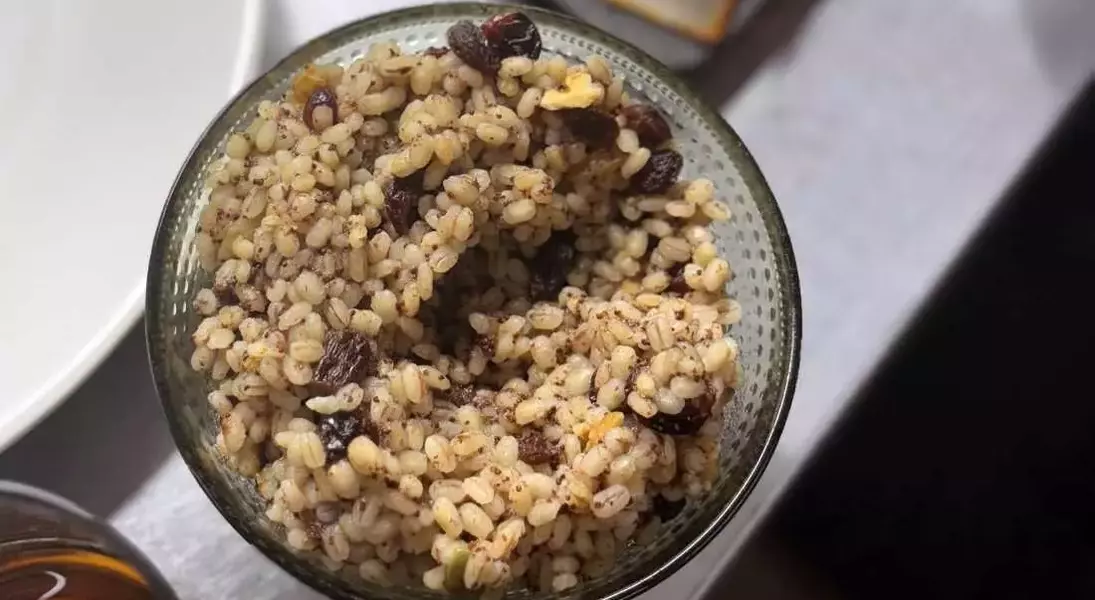
The current culinary renaissance in Ukraine is characterized by a strong emphasis on restoring traditional holiday foods, moving away from the more recent Soviet-influenced practices. At the heart of this revival are time-honored dishes such as Kutia and Uzvar, which are taking center stage in Ukrainian homes and restaurants. Kutia, a sweet, warm porridge made from pearled barley, mixed with berries, nuts, and stewed dried fruit, is a prime example of a dish with deep historical roots, symbolizing prosperity and remembrance. Similarly, Uzvar, a refreshing punch crafted from boiled dried fruits, often accompanies Kutia and is served as a drink throughout the holiday meal. These dishes are not merely recipes; they are cultural touchstones, connecting present-day Ukrainians to their ancestors and embodying the spirit of their national celebrations.
This return to traditional holiday cuisine is spearheaded by dedicated chefs and cultural advocates who are passionate about preserving and modernizing Ukrainian gastronomic heritage. For instance, Mykola Yudin, a chef who has navigated significant personal challenges due to ongoing conflicts, channels his experiences into his culinary work, showcasing traditional Ukrainian flavors to a wider audience. His commitment, and that of many others, to research and revive ancient recipes highlights a collective effort to infuse cultural depth back into everyday and festive meals. Through such initiatives, holiday food becomes a powerful medium for expressing national identity, resilience, and a connection to cultural roots, allowing Ukrainians to celebrate their heritage with dishes that truly reflect their past and hopes for the future.
