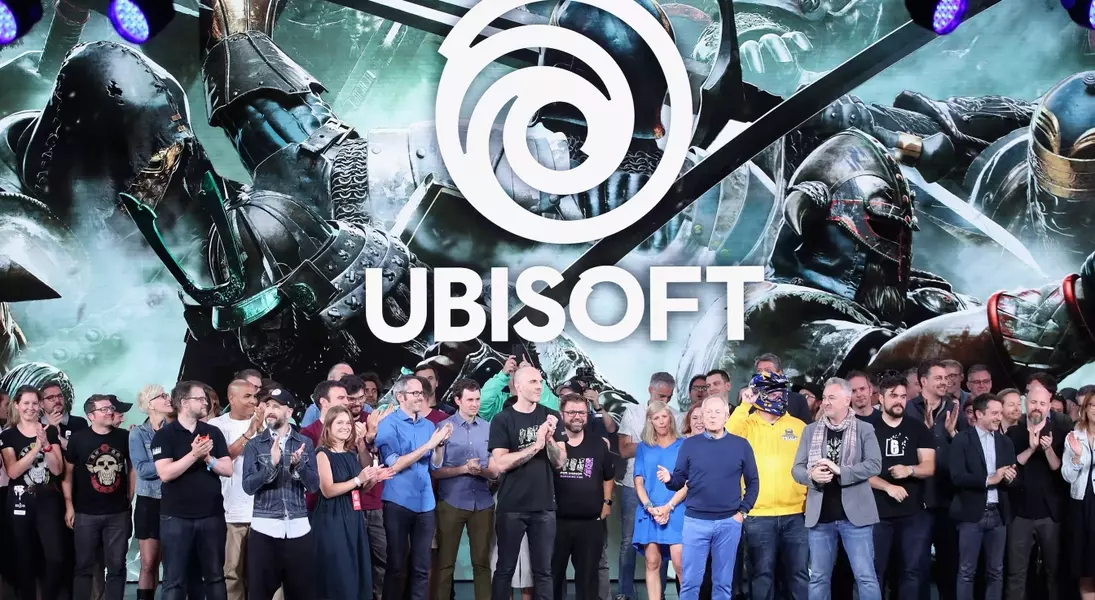
Ubisoft's recent restructuring initiative, marked by significant project cancellations, delays, and workforce reductions, has provoked a strong response from French game industry unions. Solidaires Informatique, a prominent union, has called for a half-day strike to protest these changes, asserting that the company's management decisions are detrimental to employees' working conditions and overall well-being. This action highlights a growing tension between game developers and corporate leadership regarding employment security and fair compensation within the industry.
French Unions Mobilize Against Ubisoft's Restructuring
In the wake of Ubisoft's significant organizational overhaul, which includes numerous project cancellations and workforce reductions, the French game industry union Solidaires Informatique has announced a decisive response. On January 22, the union called for a half-day strike to protest what it describes as a 'disastrous announcement' by CEO Yves Guillemot. This action is a direct challenge to the company's cost-reduction strategies and its impact on employees.
Solidaires Informatique has put forth three key demands: a complete cessation of the ongoing cost-cutting measures, the preservation and expansion of remote work opportunities for employees, and substantial pay raises for the upcoming year. The union views these demands as an 'initial response' to what it perceives as illogical management decisions, signaling that further industrial actions may follow if their concerns are not addressed. They emphasized that 'it is out of the question to let a boss run rampant and destroy our working conditions,' underscoring the vital role employees play in game creation.
Adding to the momentum, the Syndicat des Travailleureuses du Jeu Vidéo (STJV) union has also endorsed the strike, with its Ubisoft Paris section confirming participation. This unified front from the unions signifies a serious challenge to Ubisoft's current operational direction, putting pressure on the company to reconsider its policies concerning employee welfare and stability.
This situation at Ubisoft serves as a potent reminder of the ongoing power dynamics between management and labor in the rapidly evolving tech and gaming sectors. It underscores the critical need for companies to prioritize employee well-being and fair labor practices, recognizing that a motivated and secure workforce is fundamental to creative output and long-term success. The actions taken by these unions could set a precedent for future labor disputes in the industry, advocating for greater employee representation and more equitable working environments.
