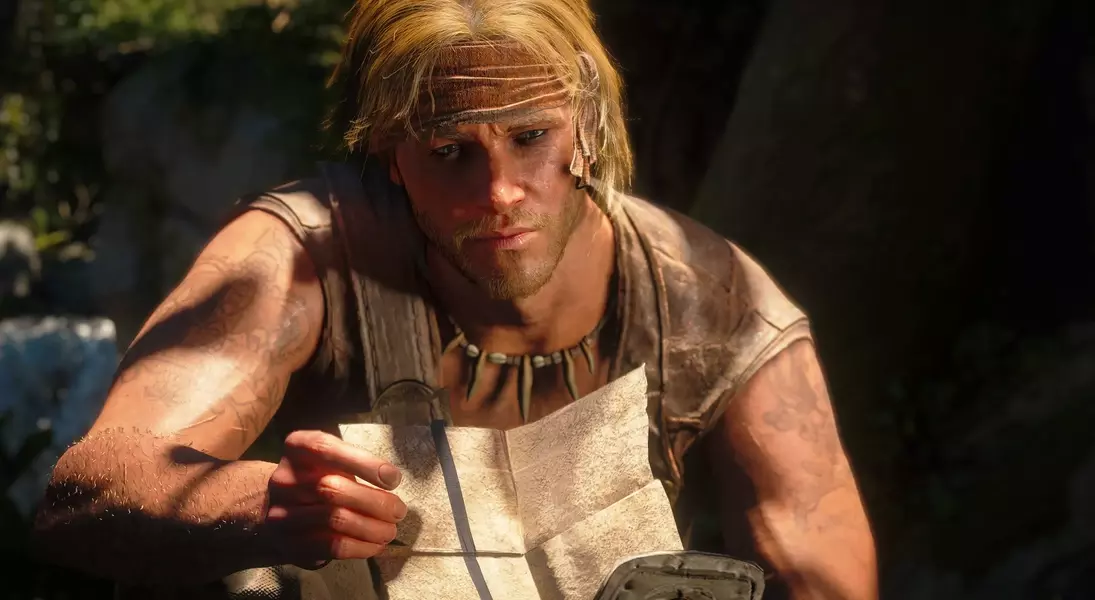
Ubisoft's recent release, "Assassin's Creed Black Flag Resynced," has stirred discussions due to its integration of day-one downloadable content (DLC) and an in-game cash shop. Despite initial player dissatisfaction, this monetization approach proved financially successful. Within its first four days on Steam, the game's DLC, which included a contentious map pack and various cosmetic enhancements, contributed a substantial $1 million to its overall revenue. This amount, though a minor fraction of the game's initial $35.1 million sales, underscores the profitability of such strategies in the gaming industry, even when met with player skepticism.
The core of the controversy revolved around a map pack DLC, priced at five dollars, designed to reveal the locations of all in-game collectibles. Many players argued that this feature undermined the exploratory essence of the game. However, a detailed analysis by Alinea Insight revealed that this and other cosmetic DLCs, collectively valued at $85, were responsible for approximately 2.8% of the game's impressive $35.1 million earnings during its launch period on Steam.
While the initial reaction from the gaming community led to a temporary dip in the game's Steam review score, it has since stabilized to a "very positive" 80%. This rebound suggests that the long-term player sentiment was not significantly impacted by the controversial DLC. The revenue generated from these additional purchases highlights a recurring pattern in the gaming market: players, despite expressing frustration, often continue to invest in extra content.
Critics often point to the perceived cynicism behind charging for content that some believe should be part of the base game or earned through gameplay. Developing cosmetic items and even a simple map pack incurs costs in concept art, modeling, and implementation. However, the $1 million generated suggests that these costs are easily recuperated, resulting in considerable profit margins for publishers like Ubisoft. This situation parallels other instances in the industry, such as Blizzard's $90 World of Warcraft dinosaur mount, which reportedly earned $15-$17 million. These examples illustrate that, while players may voice their discontent, their purchasing habits frequently reinforce the viability of these monetization models.
The financial success of "Assassin's Creed Black Flag Resynced"'s DLC, despite player complaints, offers a clear insight into the dynamics of the modern gaming market. It demonstrates that as long as a segment of the player base is willing to purchase supplementary content, developers will likely continue to pursue such strategies. This trend emphasizes the economic realities influencing game development and how player spending, rather than collective disapproval, often dictates industry practices.
