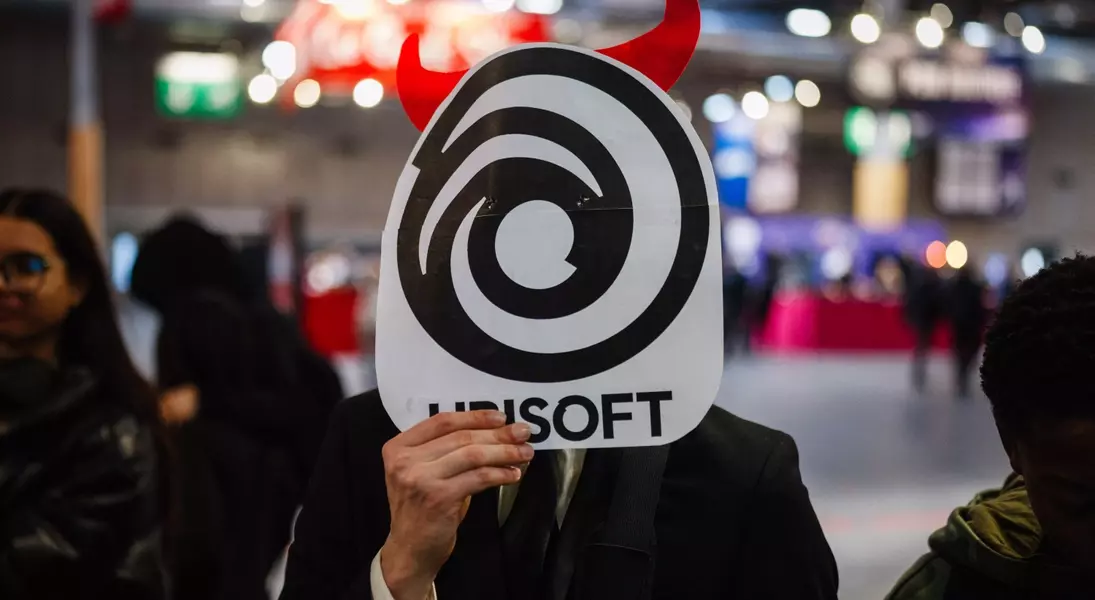
Ubisoft, a major player in the gaming industry, has once again undertaken a significant restructuring, leading to further job losses. This latest round of layoffs, affecting around 55 positions across its Swedish development studios, Massive Entertainment and Ubisoft Stockholm, highlights the ongoing challenges faced by the company. These personnel changes follow a 'voluntary career transition program' implemented in late 2025 and closely succeed the contentious closure of Ubisoft Halifax. The company states these measures are part of a broader strategy to refine its operational structure and enhance efficiency.
Ubisoft's Strategic Workforce Adjustments in Sweden
In a recent development on January 13, Ubisoft confirmed to IGN its decision to implement an organizational restructure, proposing to impact approximately 55 roles within its Malmö-based Massive Entertainment and Ubisoft Stockholm studios. This move comes after the conclusion of a 'Voluntary Leave Program' initiated in the autumn of 2025. According to Ubisoft, these combined efforts, including a finalized long-term roadmap and a comprehensive staffing review, have provided clearer insights into the necessary structure and capacity for the sustainable operation of both studios. Massive Entertainment, known for titles like The Division series, Star Wars Outlaws, and Avatar: Frontiers of Pandora, along with Ubisoft Stockholm, currently developing an undisclosed project, are assured that their long-term creative directions remain unaffected. However, this is the second instance of job cuts for Ubisoft this year, following the closure of Ubisoft Halifax. That decision, made just two weeks after the Halifax studio's employees voted to unionize, was attributed by Ubisoft to broader company-wide initiatives aimed at streamlining operations, improving efficiency, and reducing costs, rather than the unionization effort.
Ubisoft's continuous workforce adjustments reflect a broader trend within the video game industry, where companies are increasingly scrutinizing their operational efficiency and cost structures. While such decisions are often framed as necessary for long-term sustainability, they invariably impact employee morale and raise questions about job security in a rapidly evolving market. The sequential nature of these layoffs, following an earlier voluntary program and another studio closure, underscores the intense pressure game developers are under to deliver consistent commercial success and appease shareholders. This situation prompts a deeper look into the human element of corporate restructuring and the delicate balance between business imperatives and employee well-being in the dynamic world of gaming.
