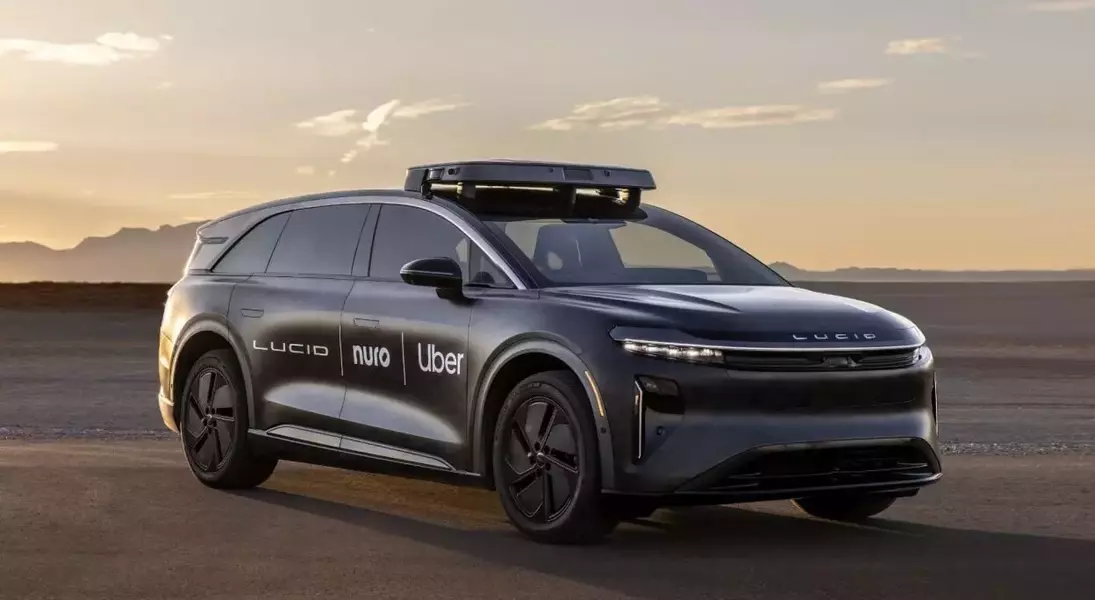
Uber, a leader in ride-sharing technology, is embarking on an ambitious venture into the autonomous vehicle sector. This strategic move involves a multi-million dollar collaboration with Lucid, a prominent electric vehicle manufacturer, and Nuro, a specialized robotics firm. Their collective goal is to launch a fleet of at least 20,000 self-driving taxis, or robotaxis, across numerous international markets over the next six years, with initial deployment slated for a major American city by 2026. This initiative highlights Uber's sustained commitment to integrating advanced autonomous technologies into its core services, potentially reshaping urban transportation paradigms.
This pioneering alliance seeks to redefine urban mobility by focusing on the seamless integration of cutting-edge technology with practical application. The partnership is designed to offer a comprehensive autonomous ride-sharing solution that prioritizes passenger comfort, safety, and widespread accessibility. Uber's substantial financial commitment underscores its belief in the transformative potential of self-driving cars, not just as an enhancement to its existing services, but as a fundamental shift in how people commute. This endeavor also signals a broader industry trend towards a future where autonomous vehicles play a central role in daily transportation, prompting various companies to vie for market leadership in this emerging domain.
Pioneering Autonomous Ride-Sharing
Uber is joining forces with Lucid, an electric vehicle producer, and Nuro, a robotics company, in a landmark agreement to deploy a vast network of autonomous vehicles. This partnership will introduce over 20,000 robotaxis worldwide within the next six years, starting with a significant U.S. urban center in 2026. The Lucid vehicles, equipped with Nuro's advanced autonomous technology, will be exclusively available through the Uber platform. This strategic alliance represents a substantial investment from Uber, signaling its serious commitment to the future of self-driving transportation and its vision of delivering an integrated, comfortable, and safe robotaxi experience to a global user base.
The recently announced collaboration between Uber, Lucid, and Nuro is set to revolutionize the ride-sharing industry. With plans to roll out more than 20,000 self-driving cars globally within six years, starting in 2026, this initiative is a bold step towards a driverless future. Uber’s substantial financial backing, including a $300 million investment in Lucid and a significant, though undisclosed, sum in Nuro, highlights the company's confidence in this venture. The Lucid-manufactured vehicles will operate under Uber's ownership or through its third-party fleet partners, ensuring seamless integration with Uber's existing services. Nuro will oversee the crucial safety aspects of the vehicle's development, employing rigorous testing protocols such as simulations, supervised on-road trials, and closed-course evaluations. This comprehensive approach aims to guarantee the highest levels of safety and efficiency, making autonomous driving accessible to a wider audience.
The Strategic Implications of Autonomous Fleets
The introduction of a large-scale robotaxi fleet by Uber, Lucid, and Nuro marks a pivotal moment for the transportation industry. Uber's commitment extends beyond this new partnership, as evidenced by its recent agreement with Baidu to deploy robotaxis across Asia and the Middle East, with potential expansion into Europe. This dual strategy underscores Uber's intent to establish a dominant global presence in the autonomous vehicle market. The increasing prevalence of robotaxis, supported by major players like Uber and Tesla, suggests a significant shift in urban mobility, raising important questions about job displacement for traditional ride-share drivers and the broader societal impact of self-driving technology.
Uber's foray into the autonomous vehicle domain carries profound implications for the future of transportation and its vast workforce. The deployment of 20,000 robotaxis signifies a strategic pivot towards minimizing reliance on human drivers, which could dramatically impact the thousands of gig workers currently operating on the Uber platform. This initiative is not isolated; Uber's recent collaboration with Baidu, a major player in China's robotaxi sector, to expand self-driving services across Asia and the Middle East further solidifies its global autonomous ambitions. Meanwhile, competitors like Tesla are also vigorously testing their own robotaxi services, exemplified by recent trials in Austin, Texas. This burgeoning competition in the autonomous ride-sharing market underscores a collective industry drive towards a future where automated fleets become the norm, necessitating a reevaluation of labor markets and urban infrastructure to accommodate these transformative changes.
