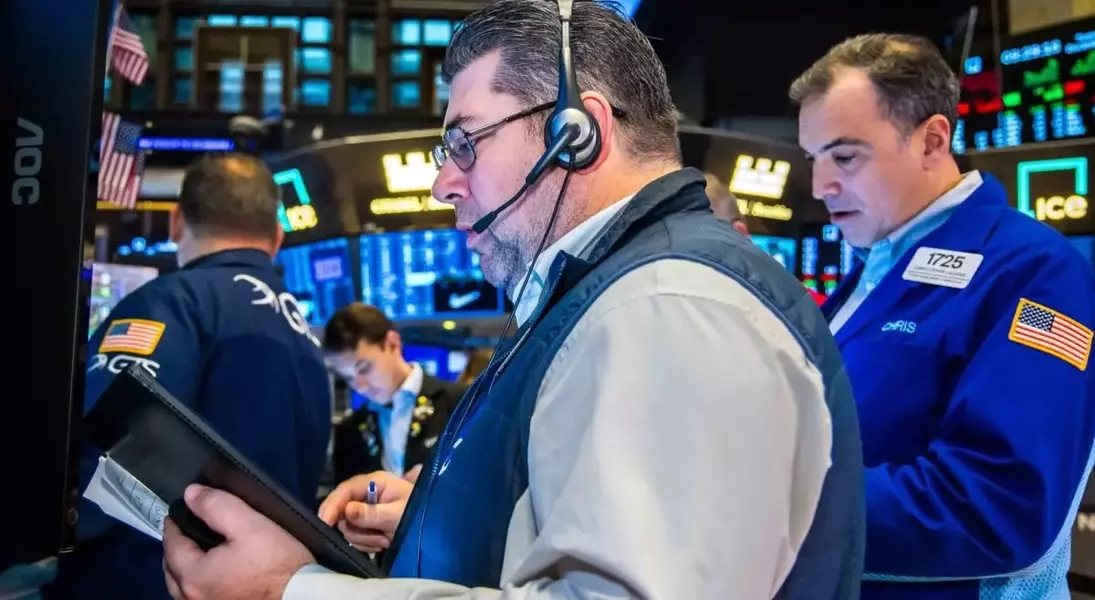
In the early hours of Friday, U.S. stock futures experienced a downturn as investors braced for the latest report on inflation, a key metric closely watched by the Federal Reserve. Market sentiment was further dampened by the failure of a House Republican funding proposal aimed at preventing a government shutdown. The Dow Jones Industrial Average futures dropped by approximately 0.2%, while S&P 500 and Nasdaq 100 futures fell by 0.3% and 0.6%, respectively. Investors are now turning their attention to the upcoming release of the Personal Consumption Expenditures (PCE) price index, which is expected to provide insights into inflation trends.
Market Turbulence and Economic Uncertainty
On Thursday evening, the U.S. markets faced additional turmoil when a House Republican spending bill, endorsed by President-elect Donald Trump, failed to pass. This setback increases the likelihood of a partial government shutdown starting Friday night. Despite this, the Dow managed to close in positive territory with a slight gain of 15 points, breaking its 10-day losing streak. However, the broader market remained under pressure due to rising Treasury yields and lingering concerns about inflation.
The PCE report, scheduled for release on Friday, carries significant weight as it reflects the Federal Reserve's preferred measure of inflation. Analysts predict a monthly increase of 0.2% and an annual rate of 2.5%. Core inflation, excluding volatile food and energy prices, is also anticipated to rise by 0.2% monthly and 2.9% annually. These figures will be crucial in shaping future monetary policy decisions by the Fed, especially after Chair Jerome Powell indicated that inflation could exceed the central bank's 2% target.
Beyond the PCE, other economic indicators such as the University of Michigan's consumer sentiment index are set to be released, adding more data points for investors to consider. Additionally, Wells Fargo Investment Institute advises investors to remain calm and maintain their current portfolio positions despite the potential for a government shutdown, predicting minimal impact on the economy and financial markets.
Meanwhile, some individual stocks made notable moves in after-hours trading. FedEx shares climbed 8% following better-than-expected earnings, while Nike saw a 6% increase after surpassing Wall Street estimates. Mission Produce also reported strong gains, with shares rising 9% on improved quarterly results.
From a journalistic perspective, this series of events underscores the interconnectedness of fiscal policy, market performance, and investor sentiment. The failure of the funding bill and the anticipation of the PCE report highlight the delicate balance between political decisions and economic stability. For investors, these developments serve as a reminder of the importance of staying informed and prepared for market volatility. While short-term disruptions may cause uncertainty, long-term strategies should focus on sustainable growth and resilience in the face of changing economic landscapes.
