The United States military, in collaboration with the Energy Department, recently undertook a groundbreaking demonstration, successfully airlifting a small nuclear reactor from California to Utah. This innovative maneuver, part of the Trump administration's broader push for accelerated nuclear energy deployment, aims to showcase the nation's capability to rapidly implement nuclear power solutions for both military and civilian uses, particularly in response to the escalating energy demands of artificial intelligence and burgeoning data centers.
U.S. Military Advances Nuclear Energy Initiative with Historic Airlift
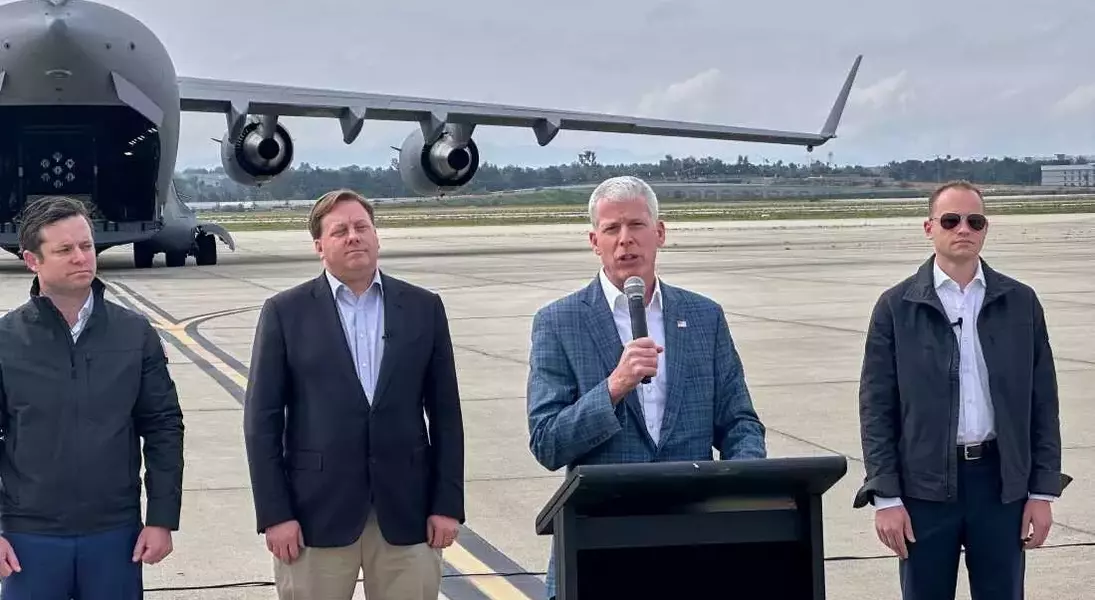
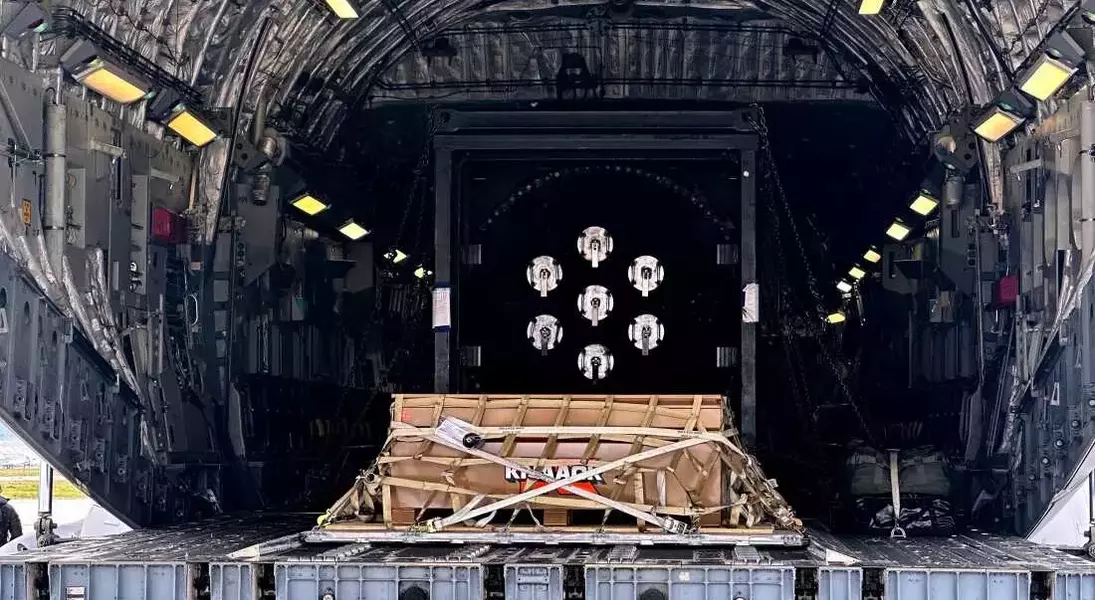
In a significant stride towards energy independence and enhanced operational capabilities, the U.S. military, supported by the Department of Energy, executed a pioneering airlift of a 5-megawatt microreactor. This historic event unfolded on Sunday, February 15, 2026, when a Valar Atomics microreactor, devoid of nuclear fuel, was transported aboard a C-17 military aircraft. The journey spanned nearly 700 miles, commencing from March Air Reserve Base in California and concluding at Hill Air Force Base in Utah.
This ambitious undertaking serves as a testament to the Trump administration's commitment to revitalizing nuclear energy, viewing it as a crucial carbon-free power source to meet the burgeoning demands from sectors like artificial intelligence and data centers, alongside providing strategic advantages for military operations. Energy Secretary Chris Wright and Undersecretary of Defense Michael Duffey were present to oversee the successful completion of this mission. They emphasized the demonstration's role in fast-tracking commercial licensing for these advanced microreactors, which are integral to the administration's vision for reshaping the national energy landscape.
Critics, however, voice reservations regarding the safety, feasibility, and cost-effectiveness of microreactors. Edwin Lyman, director of nuclear power safety at the Union of Concerned Scientists, dismissed the airlift as a mere 'dog-and-pony show,' arguing that it failed to address critical questions about the technology's long-term viability and safety protocols, particularly concerning the secure transportation of reactors once nuclear fuel is introduced. Furthermore, the issue of nuclear waste disposal remains unresolved, although discussions with states like Utah are underway to explore potential reprocessing or permanent storage sites. Despite these concerns, Secretary Wright highlighted that this transported reactor is one of at least three slated to achieve 'criticality' by July 4, aligning with the President's promise and heralding what he termed the 'start of a nuclear renaissance.'
The Valar Atomics microreactor, capable of generating electricity sufficient for approximately 5,000 homes, is destined for testing and evaluation at the Utah San Rafael Energy Lab. The company anticipates commencing test sales next year, aiming for full commercial operation by 2028. This initiative underscores a broader strategic shift towards modular, portable nuclear solutions that can provide resilient power to diverse locations, including military bases, thereby reducing reliance on civilian grids and strengthening national security.
The successful airlift of the microreactor marks a pivotal moment in the discourse surrounding nuclear energy. While proponents laud its potential for providing clean, reliable power and enhancing strategic autonomy, skeptics rightly call for meticulous attention to safety, environmental impact, and long-term waste management solutions. This event forces us to confront the complex interplay between innovation, national security, and environmental stewardship, prompting a deeper examination of how cutting-edge technologies can be responsibly integrated into our energy future.
