In a significant move to address escalating tensions in the Strait of Hormuz, the United States has announced a new initiative, 'Project Freedom,' aimed at escorting and protecting commercial shipping through the vital waterway. This development follows a period of heightened insecurity and reported attacks on vessels in the region, underscoring the ongoing geopolitical complexities surrounding Iran and international maritime trade.
President Donald Trump articulated that the United States would commence efforts to 'guide' vessels navigating the Strait, which has been impacted by the recent conflict with Iran. This intervention, described as a humanitarian endeavor, seeks to facilitate the safe passage of hundreds of ships and approximately 20,000 seafarers who have been affected by the disruptions. The initiative, expected to deploy substantial military assets, including guided-missile destroyers, numerous aircraft, and thousands of service members, is designed to ensure unrestricted global commerce. However, Iran has vociferously criticized this action, interpreting it as a breach of the standing ceasefire and an act of interference. The move by the U.S. comes amidst stalled diplomatic efforts, with Iran currently evaluating a U.S. proposal for conflict resolution, explicitly stating that nuclear negotiations are not on the immediate agenda.
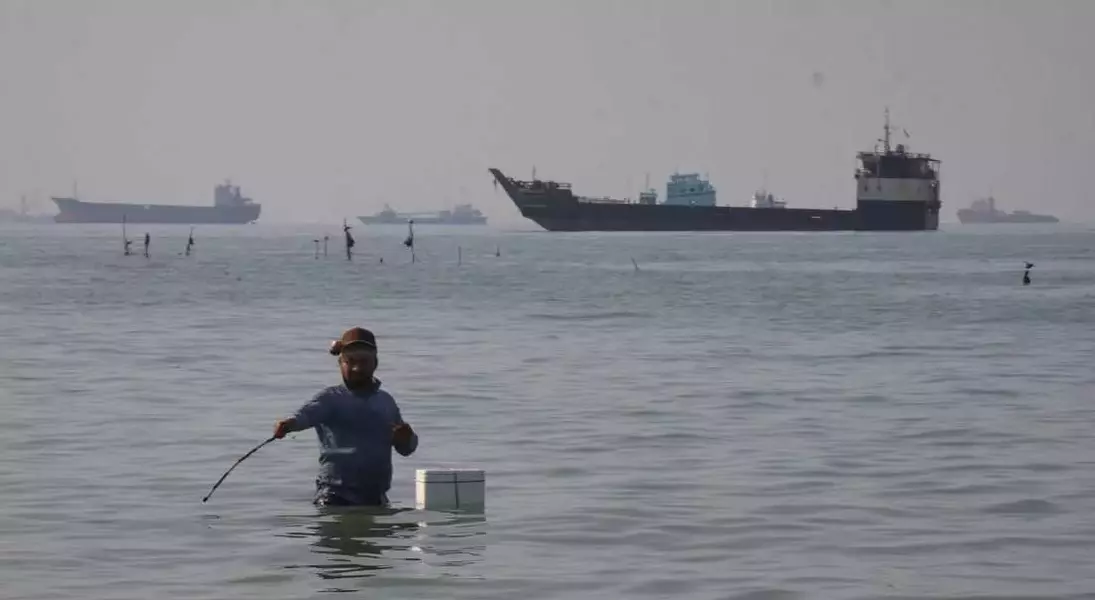
The precarious situation in the Strait of Hormuz, a crucial artery for global oil and gas transport, has been exacerbated by recent incidents, including multiple attacks on cargo ships. These events highlight the severe risks to maritime security and the broader implications for international supply chains. As Iran firmly maintains its stance on controlling the Strait and has been accused of disrupting navigation, the U.S. warns that any interference with 'Project Freedom' will be met with a forceful response. Furthermore, the existing naval blockade imposed by the U.S. has significantly impacted Iran's oil revenues, intensifying economic pressures on the nation. The international community, including mediating efforts from Pakistan, continues to monitor these developments closely, hoping for a peaceful resolution to the protracted standoff.
Amidst geopolitical friction and economic pressures, the U.S. intervention in the Strait of Hormuz represents a commitment to upholding the principles of safe and open international waters. This initiative underscores the critical importance of collaborative efforts in maintaining global stability and ensuring the free flow of trade, which are essential for the prosperity of all nations.
