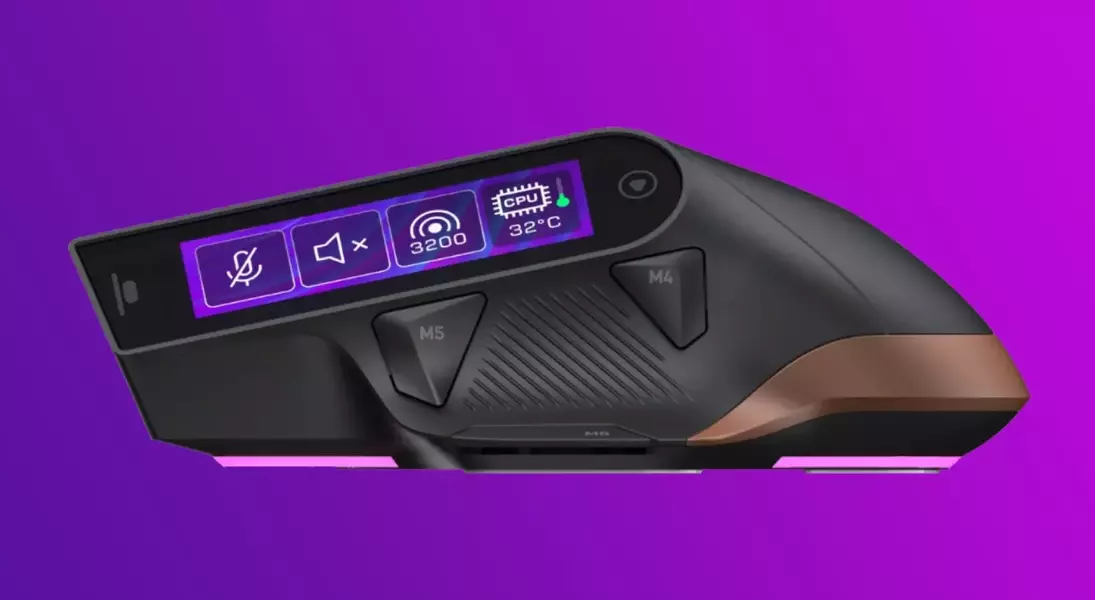
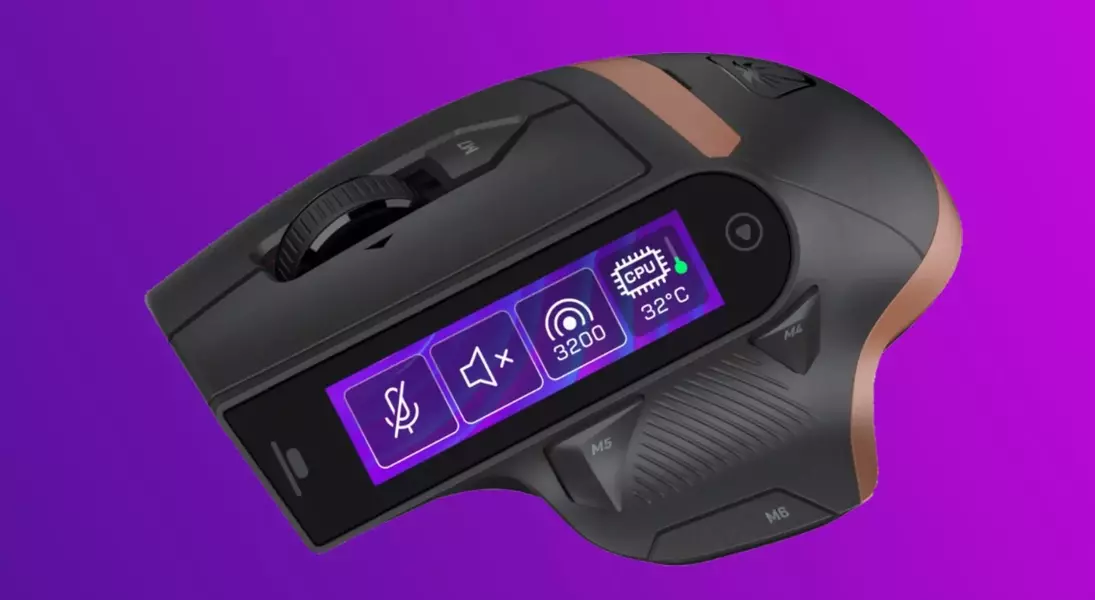
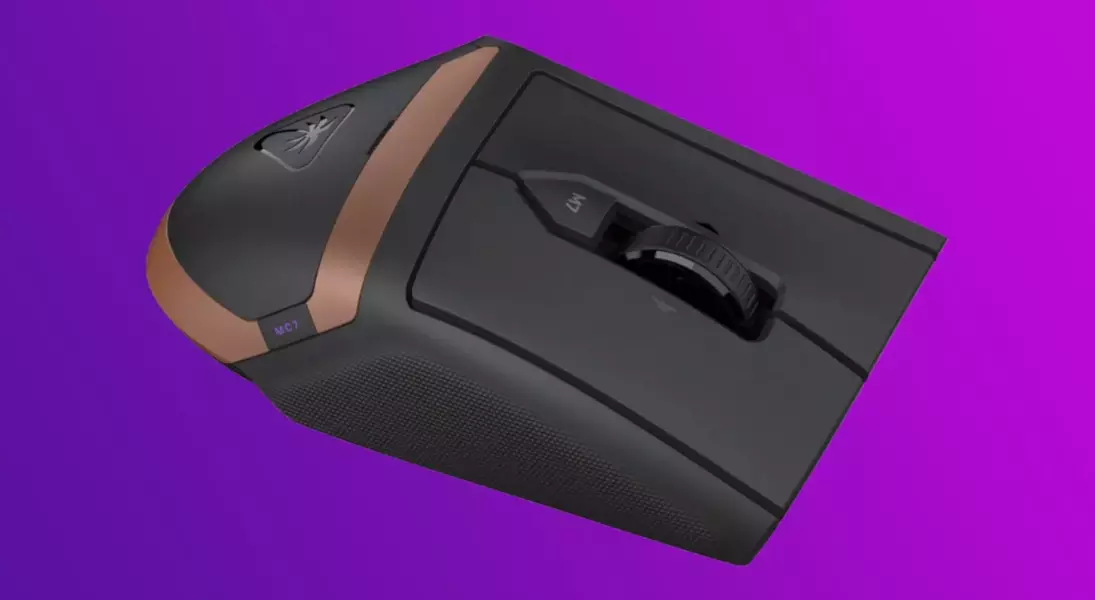
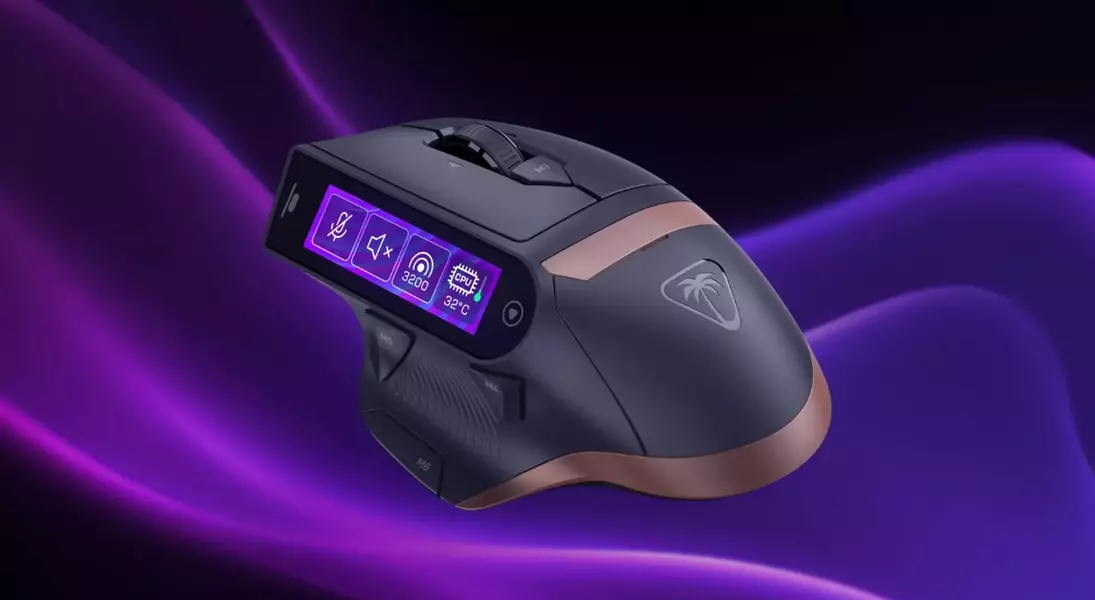
Turtle Beach is introducing an intriguing new gaming mouse, the Command Series MC7, featuring a unique 2.25-inch touchscreen alongside advanced specifications like 8K wireless connectivity and a 30K sensor. This design choice, however, has sparked conversations regarding its practical utility in competitive gaming. Priced similarly to other high-end gaming mice, the MC7 attempts to innovate beyond traditional features, yet its touchscreen integration raises ergonomic and functional questions for many.
The Command Series MC7: A Closer Look at Turtle Beach's Innovative Gaming Mouse
In a bold move for gaming peripheral innovation, Turtle Beach recently introduced its Command Series MC7 gaming mouse. This cutting-edge device is distinguished by a 2.25-inch touchscreen positioned prominently next to the left mouse button, a feature that has instantly become a focal point of discussion among gamers and tech enthusiasts. While the MC7 boasts impressive core specifications, including an 8K wireless connection and a high-precision 30K sensor, the practicality of its touchscreen interface remains a subject of considerable debate.
Critics, including veteran hardware writers, express reservations about the screen's placement and the potential for a suboptimal user experience. The notion of constantly touching a screen that accumulates grease and smudges is cited as a significant turn-off for many, contrasting sharply with the desire for a clean and responsive gaming setup. Furthermore, the inherent need to glance at a touchscreen for interaction runs counter to the intuitive, glance-free operation expected of a gaming mouse, where precision and muscle memory are paramount. Displaying information like CPU temperatures on the mouse screen is seen by some as an unnecessary distraction rather than a valuable addition.
Beyond the touchscreen, the MC7's physical design also warrants attention. Weighing in at a substantial 135 grams, its heft is notable, potentially alienating users who prefer lighter mice for extended gaming sessions. The design also features a pronounced ridge where the screen meets the mouse body, which could impact comfort and grip for certain users.
Despite these contentious design elements, the MC7 introduces a highly praised feature: a hot-swappable battery system. The mouse includes dual 1000 mAh batteries, which can be conveniently swapped out and recharged using an accompanying dock. Each battery promises up to 10 hours of active use, extending to 15 hours if the LED and LCD lighting are deactivated. This innovative power solution ensures uninterrupted gameplay, a significant advantage for competitive gamers.
Currently, the Turtle Beach Command Series MC7 is available for pre-order, priced at approximately $160-$140. This places it in direct competition with established high-performance gaming mice, such as the Razer Viper V4 Pro, which is often lauded as a top choice in the market. The MC7's success will ultimately depend on whether its innovative features, particularly the touchscreen, resonate with a broader audience despite the initial skepticism.
The emergence of the Turtle Beach Command Series MC7 with its integrated touchscreen prompts a fascinating reflection on the future direction of gaming peripheral design. While innovation is always welcome, this particular implementation challenges long-held conventions about what constitutes optimal gaming ergonomics and functionality. It forces us to question whether adding more interactive elements directly onto input devices genuinely enhances the user experience or merely introduces unnecessary complexity. The hot-swappable battery system, however, stands out as a genuinely thoughtful and practical advancement, addressing a common pain point for wireless peripheral users. Perhaps the takeaway here is that true innovation in hardware should prioritize seamless functionality and user comfort above all, even when pushing the boundaries of what's possible.
