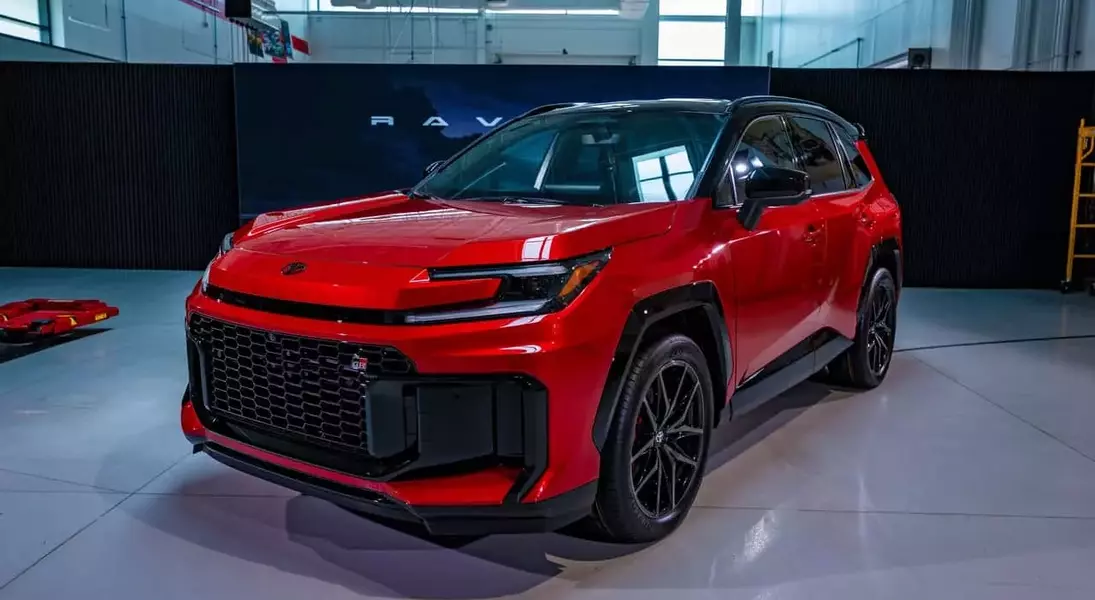
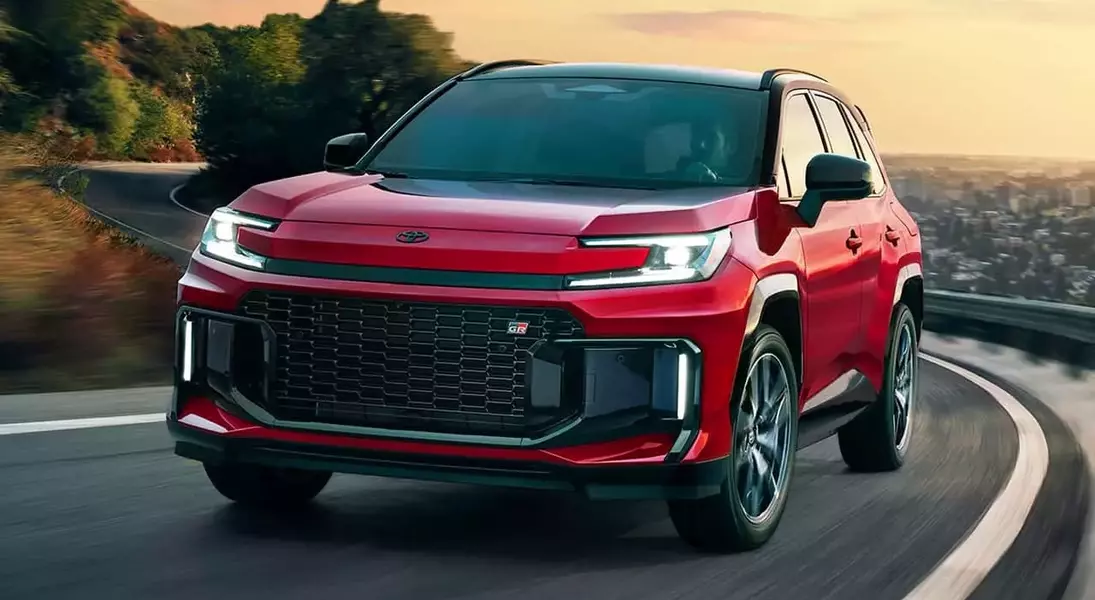

Toyota is currently evaluating the integration of a turbocharged engine into its popular RAV4 crossover, with the chief engineer acknowledging the technical feasibility and the potential for a more performance-oriented GR variant. While no official plans are underway, strong consumer interest could prompt the company to pursue this development, potentially utilizing a powerful 2.4-liter turbo unit or even a forthcoming new engine family capable of delivering significantly higher horsepower. This strategic move could redefine the RAV4's market position, offering an exciting option for enthusiasts seeking enhanced driving dynamics.
The discussion around a high-performance RAV4 stems from the recent introduction of the GR Sport model, which, despite its sporty branding, still leaves room for a more potent powertrain. The possibility of fitting a larger, turbocharged engine has been confirmed by the vehicle's chief engineer, indicating a clear path for development if market demand justifies the investment. This approach highlights Toyota's responsiveness to consumer preferences and its continuous effort to innovate within its established product lines.
The Potential for a More Powerful RAV4
The introduction of the sixth-generation RAV4 brought with it a sportier GR variant, known as the GR Sport. While this model offers enhanced suspension and steering tuning from Toyota's GR engineering division and a robust 320-horsepower plug-in hybrid powertrain, discussions have emerged about the potential for an even more powerful version. The crossover's chief engineer, Yoshinori Futonagane, has indicated that a larger engine, specifically Toyota's turbocharged 2.4-liter four-cylinder, could technically fit within the RAV4's engine compartment. This engine is already utilized in several Lexus models, where it produces up to 275 horsepower, and an impressive 366 horsepower when combined with an electric hybrid system in the RX 500h. While the current GR Sport's hybrid powertrain already offers substantial power, a pure turbocharged option could appeal to a different segment of performance-minded buyers. Toyota's current stance is that the GR Sport is "powerful enough," but they remain open to consumer feedback, suggesting that a significant outcry for a 2.4-liter turbo could influence future development plans. The main remaining obstacle appears to be internal corporate appreciation of market demand and the potential "wow factor" such a model could bring.
Looking ahead, if Toyota decides to green-light a more potent GR RAV4, it might not necessarily feature the existing 2.4-liter turbocharged engine. The company is actively developing a new family of 1.5-liter and 2.0-liter four-cylinder combustion engines, which are slated to power future GR models. These next-generation engines are rumored to be capable of producing significantly higher horsepower, potentially up to 600 hp. Integrating such an engine into the RAV4 could transform it into a formidable performance crossover, far surpassing its current capabilities and establishing a new benchmark in its segment. While immediate plans for a turbocharged RAV4 are not in place, the technical feasibility, coupled with the potential for highly powerful new engine options, suggests that a truly hot GR RAV4 remains a distinct, albeit demand-driven, possibility for the future. This strategic flexibility allows Toyota to gauge market interest and adapt its product offerings to evolving consumer desires for both power and efficiency.
Market Demand and Future Engine Developments
Currently, Toyota does not have official plans to integrate a larger, more powerful engine into the RAV4 lineup, as the GR Sport variant is deemed sufficiently potent for its current market. However, the chief engineer has openly acknowledged that consumer demand plays a pivotal role in product development. A strong showing of interest from the public for a turbocharged 2.4-liter engine could significantly alter the company's agenda, pushing such a project into active consideration. This indicates that while the technical capacity exists, the critical factor for proceeding with a performance-oriented RAV4 remains the tangible expression of market desire, which could provide the necessary corporate impetus and demonstrate the potential for a substantial market impact and brand enhancement.
Beyond the existing 2.4-liter turbocharged unit, Toyota is actively engaged in developing an entirely new generation of smaller, yet highly efficient and powerful, four-cylinder engines, including 1.5-liter and 2.0-liter variants. These new powertrains are designed to be versatile and are expected to be featured in future GR performance models, with some reports suggesting they could produce up to 600 horsepower. If a high-performance RAV4 were to materialize, it would likely benefit from these advanced engine technologies, rather than older designs. This ongoing engine development underscores Toyota's commitment to innovation and its readiness to adapt to future market trends, ensuring that any forthcoming GR RAV4 would not only be powerful but also align with the company’s broader strategic goals for its performance division.
