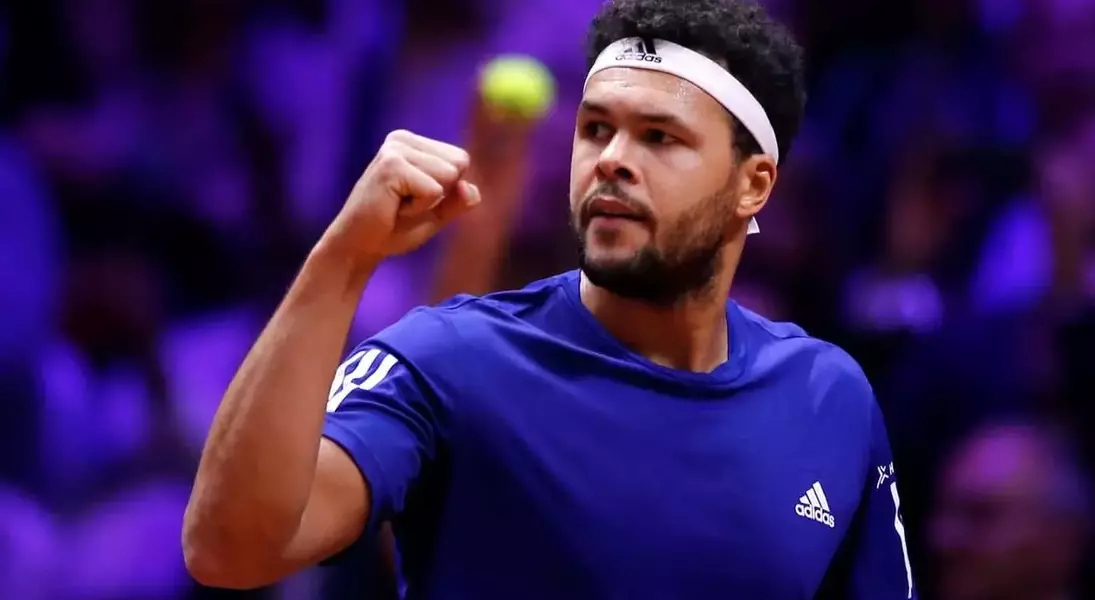
In an astonishing revelation, former tennis elite Jo-Wilfried Tsonga has shed light on a pivotal moment in his career where financial gain superseded physical well-being. Despite being sidelined by a debilitating injury that rendered him incapable of basic tasks, the French star participated in a high-stakes exhibition series, earning a substantial sum. This candid disclosure has reignited discussions surrounding the pressures and incentives professional athletes encounter, particularly when faced with lucrative opportunities that conflict with their health and reputation. Tsonga's decision, made under extreme physical duress, offers a rare glimpse into the often-unseen complexities of elite sports, prompting reflection on the ethical considerations and personal sacrifices involved.
His story serves as a compelling narrative about the delicate balance between an athlete's pursuit of financial security and the preservation of their body and public standing. While his choice may raise eyebrows, it underscores the harsh realities of a career where peak performance is fleeting and maximizing earnings often comes at a steep price. Tsonga's openness provides valuable insight into the dilemmas faced by those at the pinnacle of their sport, navigating a landscape where commercial interests can exert immense influence over personal judgment.
The Weight of a Million-Dollar Deal
Jo-Wilfried Tsonga, once ranked among the top five tennis players globally, recently confessed to an extraordinary episode from his career where he chose to compete in an exhibition match for a staggering $1 million (approximately £750,000) despite suffering from a severe injury. This shocking admission came during an interview on Kevin Ferreira’s YouTube channel, where Tsonga detailed the events surrounding this controversial period. Having previously withdrawn from the 2014 Davis Cup due to the same injury, which was so debilitating he struggled to hold a simple glass, his subsequent participation in a high-paying exhibition created a significant paradox that challenged conventional expectations of athlete conduct and commitment to team events. His decision process involved a difficult choice between preserving his image and seizing a rare financial opportunity.
Tsonga's account highlights a fascinating conflict: the immediate financial benefit of a unique opportunity versus potential criticism from the media and the public. He recounted how, just days after being declared unfit for the Davis Cup due to an arm injury that left him severely incapacitated, he received an offer for an exhibition week consisting of five matches with modified, shorter sets and no significant competitive stakes. The allure of the million-dollar paycheck proved irresistible, leading him to prioritize this windfall over concerns about public perception. This decision, which he candidly referred to as going for the 'Million Dollar Baby,' remains a point of contention and curiosity, revealing the immense financial pressures and personal calculations that can influence professional athletes' choices, even when their physical health is compromised. Tsonga's remarkable career, which saw him accumulate £16.7 million in prize money, included reaching the 2008 Australian Open final, winning 18 ATP Tour titles, a Davis Cup title in 2017, the Hopman Cup in 2014, and an Olympic Games silver medal in 2012, further accentuating the significance of this particular financial choice.
Navigating Injury and Reputation
The incident involving Jo-Wilfried Tsonga underscores the intricate tightrope professional athletes must walk between their physical limitations and career opportunities. His decision to play a highly remunerated exhibition match immediately after being deemed unfit for the prestigious Davis Cup raises pertinent questions about the responsibilities athletes owe to their national teams versus their individual financial interests. Tsonga acknowledged the potential backlash from the media and fans, understanding that his choice might be viewed as a prioritization of personal gain over national duty. Yet, he made a conscious decision to embrace the financial reward, reflecting a pragmatic approach to a fleeting career where earning potential is not always guaranteed, especially in the face of injuries.
The revelation by Tsonga provides a rare, unfiltered look into the strategic thinking that sometimes guides athletes' decisions off the court. Despite the physical constraints that prevented him from performing at an optimal level, the low-stakes nature of the exhibition matches, characterized by short sets and reduced competitive pressure, made the prospect of a substantial payout too compelling to ignore. This calculated risk, undertaken to secure a significant financial investment in his future and career, illuminates the personal and professional calculus that often remains hidden from public view. Tsonga’s powerful serve and charismatic presence have solidified his status as a beloved figure in French tennis, and his continued presence at events like the Legends Team Cup suggests his enduring impact on the sport, irrespective of past controversial choices. Ultimately, his story is a testament to the complex choices athletes face, demonstrating a unique blend of business acumen and personal resolve in a highly competitive and often unforgiving environment.
