Taiwan Semiconductor Manufacturing Company (TSMC), a pivotal entity in the semiconductor sector, is poised to implement price increases of up to 10% on its chip manufacturing services, effective from 2027. This decision stems from a combination of escalating raw material expenses and substantial investments in new fabrication facilities abroad, such as the Arizona plant, which is already experiencing high demand even before its completion. The forthcoming price adjustments, which will range between 5% and 10%, are set to impact various chip production services, particularly the advanced 7nm process and beyond. Given TSMC’s commanding position, controlling over 70% of the worldwide semiconductor foundry market, major technology corporations will likely have no alternative but to absorb these higher costs. Furthermore, any additional orders for high-performance computing chips that fall outside initial forecasts will incur an even steeper premium of 10% to 15%.
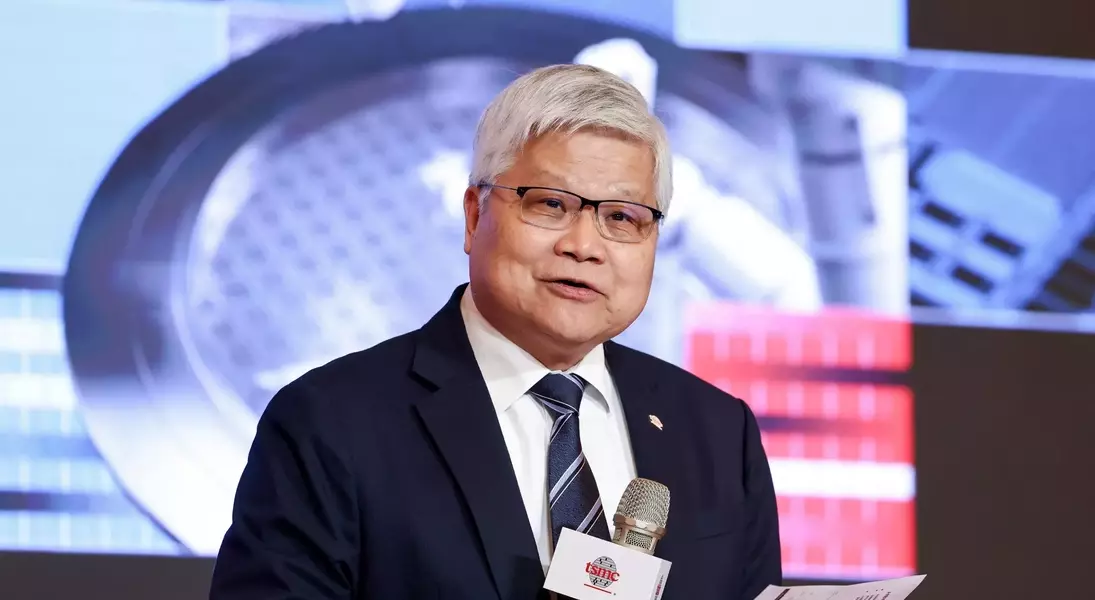
While the broader semiconductor industry has witnessed significant price volatility, particularly in the memory sector where increases of up to 50% are projected for Q3 2026, TSMC’s decision to delay its price hike until 2027 is seen as a more measured approach. This cautious strategy contrasts with recent actions from other key players; AMD has reportedly raised prices for its GPU and VRAM bundles, and both AMD and Intel implemented price increases across their CPU lines earlier this year. Even consumer-facing companies like Apple have cited soaring component costs as a reason for increasing Mac and iPad prices, with some industry experts describing the current memory market as "abnormally high" and "still getting worse." Despite acknowledging the lucrative margins of memory chipmakers, TSMC’s chairman, C.C. Wei, stressed that the company’s pricing philosophy prioritizes long-term sustainability and customer viability over immediate, drastic profit maximization, asserting that overly aggressive price increases could jeopardize its customer base.
TSMC's Strategic Pricing Adjustment Amidst Rising Industry Costs
TSMC, a dominant force in the global semiconductor manufacturing landscape, has announced plans to raise its chip production prices by as much as 10% starting in 2027. This strategic move is attributed to two primary factors: the increasing cost of raw materials and the significant capital expenditures associated with constructing new overseas fabrication plants, such as the 2nm facility in Arizona, which is already fully booked despite being incomplete. The impending price adjustments, expected to vary between 5% and 10%, will affect a range of TSMC’s chipmaking services, particularly those utilizing advanced processes like the 7nm node. With TSMC holding a substantial market share exceeding 70% in the global semiconductor foundry sector, these price increases are set to have a ripple effect across the technology industry, compelling major tech giants to factor these higher costs into their product development and pricing strategies. Additionally, unanticipated demands for high-performance computing chips will incur an even higher premium, reinforcing the criticality of accurate forecasting for customers.
The semiconductor giant’s decision to implement these price increases in 2027 is perceived as a less aggressive stance compared to the rapid and significant price hikes observed in other segments of the chip market, particularly memory. Industry analysts have noted that memory chip prices are projected to surge by up to 50% in the third quarter of 2026, creating a highly volatile market environment. In contrast, TSMC’s chairman, C.C. Wei, openly expressed a “jealousy” for the high margins enjoyed by memory chipmakers but underscored a commitment to a more restrained pricing strategy. Wei emphasized that dramatic price escalations, such as “four or five times” the current rates, would be unsustainable for their customers and contradict TSMC’s long-term philosophy of fostering a mutually beneficial relationship. This approach aims to ensure that TSMC’s profit margins are sufficient to support its ongoing expansion and technological advancements, thereby benefiting both the company and its extensive customer base. This cautious strategy is a deliberate effort to maintain market stability and prevent potential disruptions that could arise from overly aggressive pricing, even as other major manufacturers like AMD and Intel have already implemented their own price adjustments across various components.
Navigating Market Volatility: TSMC's Prudent Approach to Chip Pricing
In a landscape marked by considerable price fluctuations in the broader semiconductor industry, TSMC is adopting a prudent approach to its pricing strategy. While the company acknowledges the escalating costs of materials and the substantial investments in global expansion, it has chosen to implement a moderate price increase of up to 10% by 2027. This decision is particularly notable given the current environment where other segments, like the memory chip market, are experiencing more drastic and immediate price surges. TSMC's dominant position as a leading foundry means that its pricing actions have significant implications for the entire tech ecosystem. By delaying the implementation of these increases and opting for a measured adjustment, TSMC aims to mitigate severe financial pressures on its clientele, ensuring their continued viability and fostering long-term partnerships. This careful balancing act reflects a strategic vision that prioritizes sustained growth and industry stability over short-term revenue maximization.
The contrasting pricing philosophies within the semiconductor industry highlight TSMC's unique position and strategic foresight. Unlike memory chipmakers who are witnessing exceptionally high margins and rapid price escalations, TSMC's leadership has publicly stated its reluctance to follow suit with exorbitant price hikes. Chairman C.C. Wei articulated that increasing prices “four or five times” would be detrimental to customers, indicating a commitment to a sustainable pricing model. This is a crucial distinction, especially as other major players like AMD and Intel have already adjusted their component prices, and even consumer electronics giants like Apple have cited rising memory costs as a factor in increasing product prices. The cautious approach taken by TSMC is rooted in its philosophy of securing adequate profit margins to fund continuous expansion and innovation, which ultimately benefits its customers by ensuring a stable supply of advanced chips. This long-term perspective emphasizes the importance of a resilient supply chain and robust customer relationships, even as the global semiconductor market continues to grapple with supply-demand imbalances and cost pressures.
