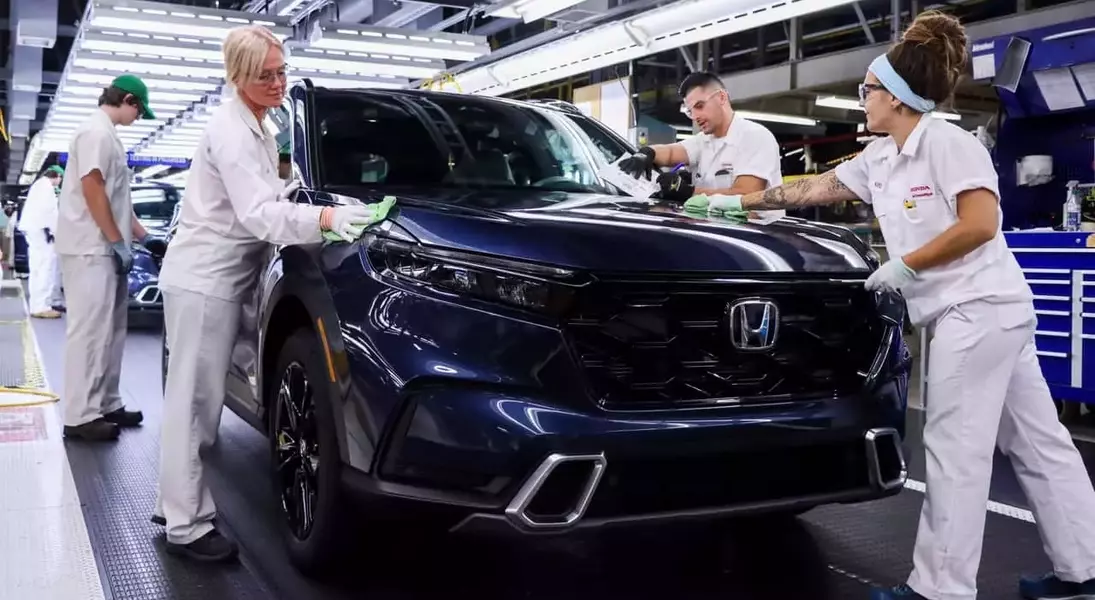

A significant trade policy change looms for the automotive sector, as a proposed 50% tariff on vehicles and components manufactured in Canada, slated for implementation on January 1, 2027, could dramatically reshape the operational strategies of major manufacturers. This prospective tariff is expected to particularly challenge companies with substantial production footprints north of the U.S. border, such as Toyota and Honda, who collectively produce the vast majority of cars assembled in Canada.
The impending tariff, following a breakdown in U.S.-Canada trade negotiations, presents a critical dilemma for these Japanese automotive giants. They must choose between absorbing a portion of these increased costs, thereby impacting their profit margins, or transferring these expenses to consumers, potentially exacerbating the already high prices for new automobiles in the American market. The ripple effects of such tariffs extend beyond initial costs, affecting complex supply chains where parts may cross the U.S.-Canada border multiple times during the manufacturing process, leading to compounded expenses.
In response to this uncertain trade landscape, some manufacturers, like Toyota, have already begun re-evaluating and adjusting their production locations, seeking to enhance the domestic content of vehicles assembled in the U.S. However, relocating or significantly altering established manufacturing facilities is a costly and time-consuming endeavor, often spanning several years and requiring billions in investment. Consequently, a sudden tariff imposition could leave automakers with limited immediate options to mitigate financial impacts, making strategic adaptations crucial for navigating this evolving economic environment.
This situation underscores the intricate relationship between international trade policies and global manufacturing, emphasizing how political decisions can directly influence corporate profitability and consumer spending. The automotive industry, known for its extensive cross-border operations, often finds itself at the forefront of such economic shifts, necessitating agile responses and long-term planning to sustain competitiveness and market stability.
