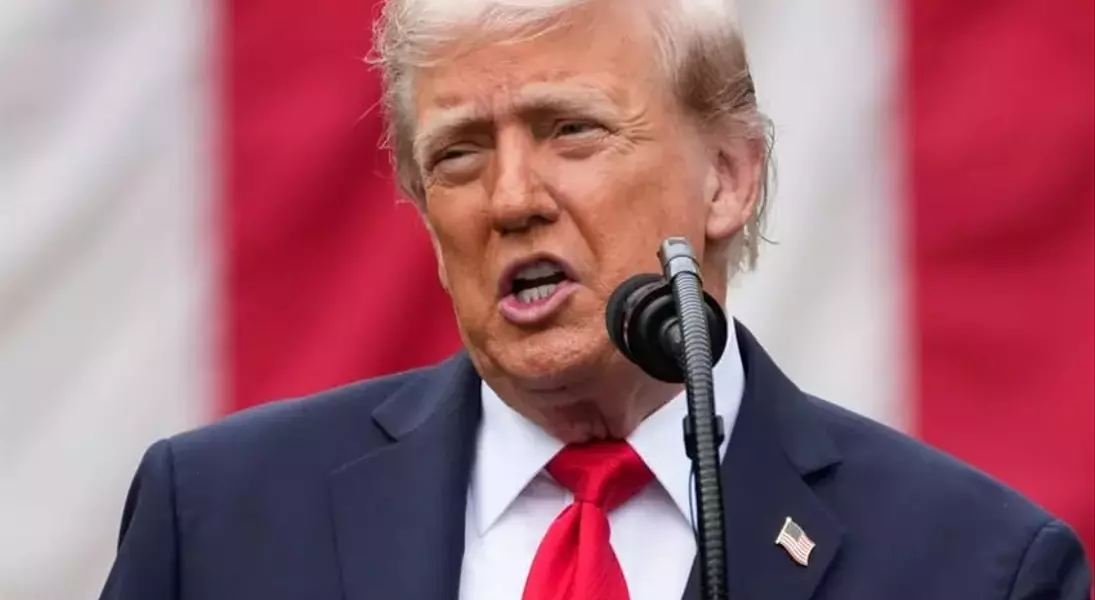
Former President Donald Trump has indicated that he has selected his preferred candidate for the next head of the Federal Reserve, a decision he is keeping confidential for now. This choice is poised to significantly influence the nation's economic direction, particularly given Trump's known advocacy for reduced interest rates to stimulate growth. The current Federal Reserve Chair, Jerome Powell, is set to conclude his term in May, making this upcoming appointment a pivotal moment for financial markets and economic stability. The identity of Trump's nominee is eagerly anticipated by investors and policymakers alike, as it will signal the future stance of monetary policy.
Treasury Secretary Scott Bessent has actively promoted a more accommodating monetary policy, asserting that interest rate reductions are the missing element for robust economic expansion. Bessent’s initial public comments strongly urged the Federal Reserve to implement rate cuts without delay. Although a subsequent draft of his speech toned down this direct appeal, it still emphasized the Fed’s responsibility to foster investment. He referenced former Fed Chairman Alan Greenspan's approach during the 1990s tech boom as an example of maintaining an open mind regarding monetary policy adjustments. This highlights a clear push from the administration for the Fed to prioritize growth through lower borrowing costs.
Despite the administration's clear preference, market sentiment and Federal Reserve projections suggest a more conservative outlook on rate adjustments. Current market predictions anticipate only two rate cuts in the coming year, while the Fed's own forecasts lean towards just one. This discrepancy between political aspirations and market expectations creates a tense environment. While lower rates could provide much-needed support to a softening labor market, they also carry the inherent risk of rekindling inflationary pressures. The incoming Fed Chair will face the challenge of balancing these competing objectives: stimulating employment growth without compromising price stability. The appointment’s impact on various assets, including cryptocurrencies like Bitcoin, will depend heavily on whether the new Chair adopts a dovish or hawkish approach to interest rates.
The selection of the next Federal Reserve Chair will undoubtedly be a defining moment for the U.S. economy, dictating whether we see aggressive rate cuts aimed at boosting employment or a cautious stance prioritizing inflation control. This decision embodies the eternal struggle between stimulating short-term growth and ensuring long-term financial stability. It reminds us that wise leadership in economic governance is paramount, striving for a balanced approach that fosters prosperity for all while safeguarding against future challenges. The chosen path will reflect a vision for a dynamic and resilient economy.
