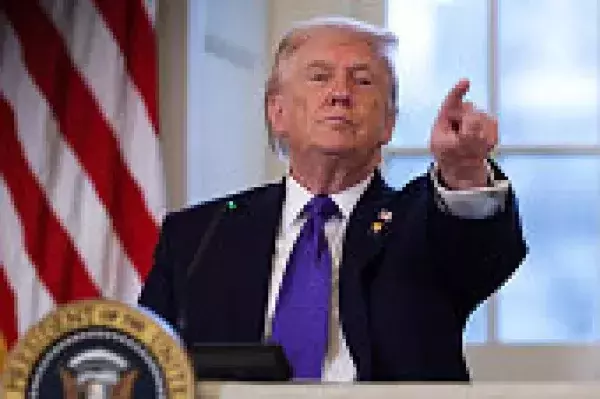
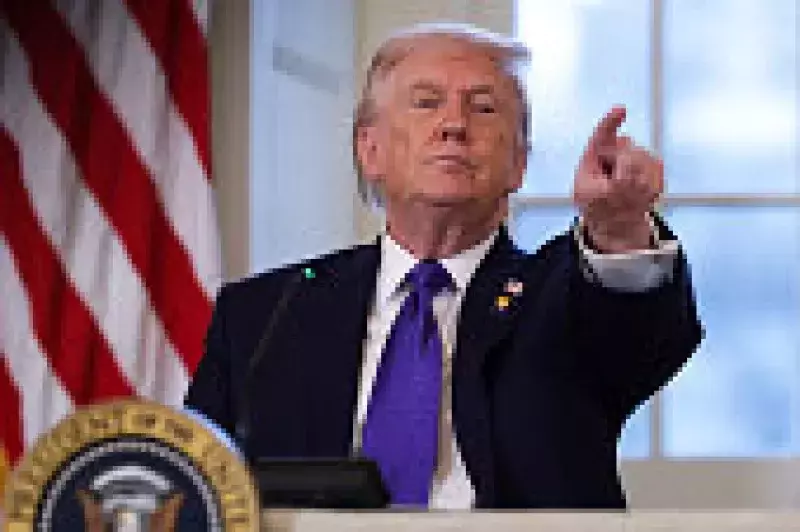
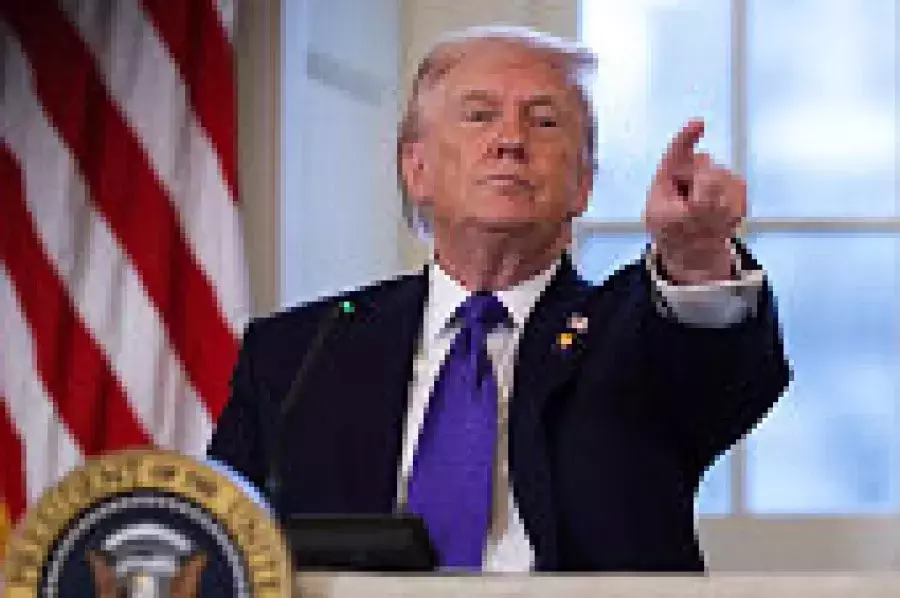
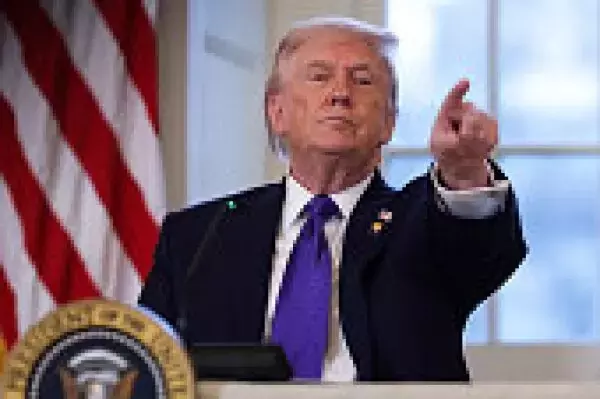
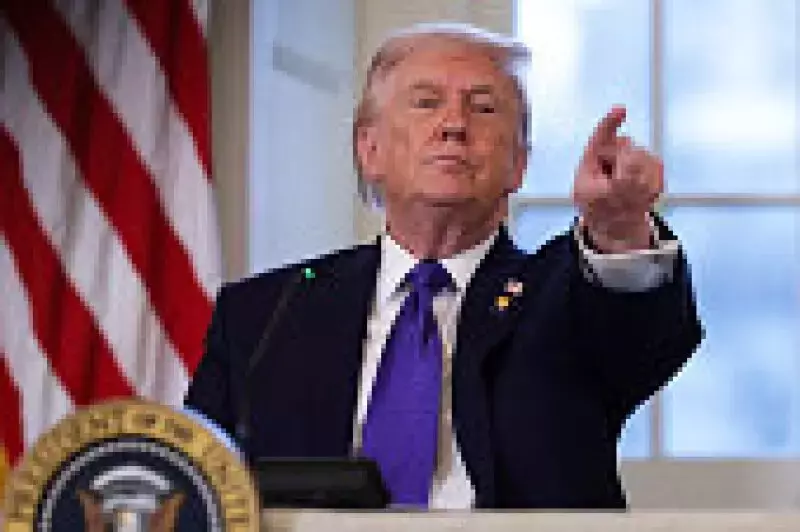
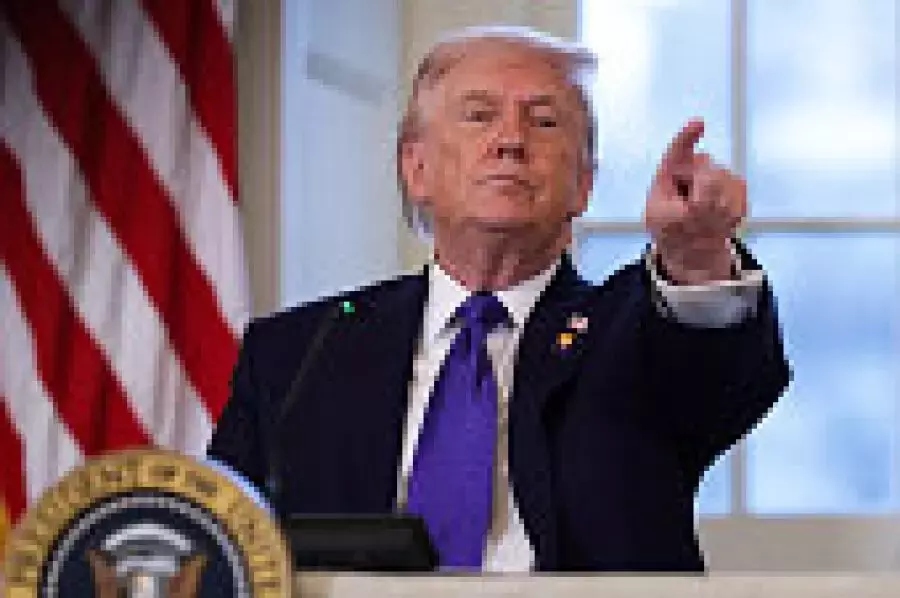
Former President Trump's upcoming visit to Detroit signifies a strategic pivot towards domestic economic issues, a move designed to resonate with voters grappling with financial pressures. This address aims to recalibrate the public discourse, shifting focus from a recent string of international engagements to the everyday concerns of American households, particularly in the lead-up to the crucial midterm elections.
Reigniting the American Dream: Trump's Economic Vision for the Nation
Shifting Focus: From Global Stage to Domestic Concerns
After a period largely consumed by complex international diplomacy and geopolitical challenges, including efforts to address the situation in Venezuela, respond to escalating tensions with Iran, discuss the acquisition of Greenland, progress peace initiatives in Gaza, and engage in ongoing negotiations to resolve the conflict between Russia and Ukraine, the former president is now directing his attention back to the home front. This strategic redirection highlights a conscious effort to realign his public agenda with the pressing economic realities facing American citizens.
The Detroit Agenda: Economic Revitalization and Manufacturing Support
The former president's itinerary for his Michigan visit includes a significant address to the Detroit Economic Club, an influential forum for business and policy discussions. Following this, he is scheduled to tour a prominent vehicle production facility in Dearborn, renowned for manufacturing the popular F-150 series of trucks. This dual engagement underscores his commitment to showcasing tangible economic activities and directly engaging with key players in the American manufacturing sector.
Voter Sentiment and Economic Headwinds: A Pre-Election Landscape
Despite the administration's focus on global affairs, a considerable segment of the electorate, including many of the former president's own supporters, expresses growing apprehension regarding the rising cost of living and general affordability. This economic concern proved to be a decisive factor in recent electoral outcomes in Virginia and New Jersey during the 2025 elections, indicating its continued prominence in the upcoming midterm campaigns. The administration faces the challenge of addressing these widespread economic anxieties to improve its standing with voters.
Navigating Public Perception: Economic Approval Ratings Under Scrutiny
Recent polling data reveals a notable decline in the former president's economic approval, with a January 2026 NPR/PBS/Marist survey indicating a new low of 36%. The findings from this poll suggest a pervasive sentiment among voters that they are struggling financially, with high costs emerging as their foremost concern. This dip in public confidence underscores the urgent need for the administration to demonstrate concrete progress on economic issues.
Policy Responses: Addressing Affordability and Consumer Costs
In response to these economic pressures, the former president outlined his administration's economic strategy in a mid-December Oval Office address, acknowledging that while progress was being made on reducing costs, the task remained incomplete. More recently, the White House has highlighted positive economic indicators such as decreasing gasoline prices and a reduction in mortgage rates as signs of success. Looking ahead, the former president announced plans to unveil a new affordable housing initiative during an upcoming international trip to Davos, Switzerland, and also stated his intention to implement a temporary cap of 10% on credit card interest rates for one year.
White House Optimism: Reiterating Economic Progress and Future Benefits
White House Press Secretary Karoline Leavitt echoed this optimistic outlook on Monday, reassuring reporters that Americans could anticipate financial benefits from tax refunds in the spring. This message aligns with the former president's earlier statements during his December Oval Office address, where he similarly emphasized the forthcoming positive economic impacts. Leavitt confidently asserted that the overall economic picture presented "all good news" for the nation.
