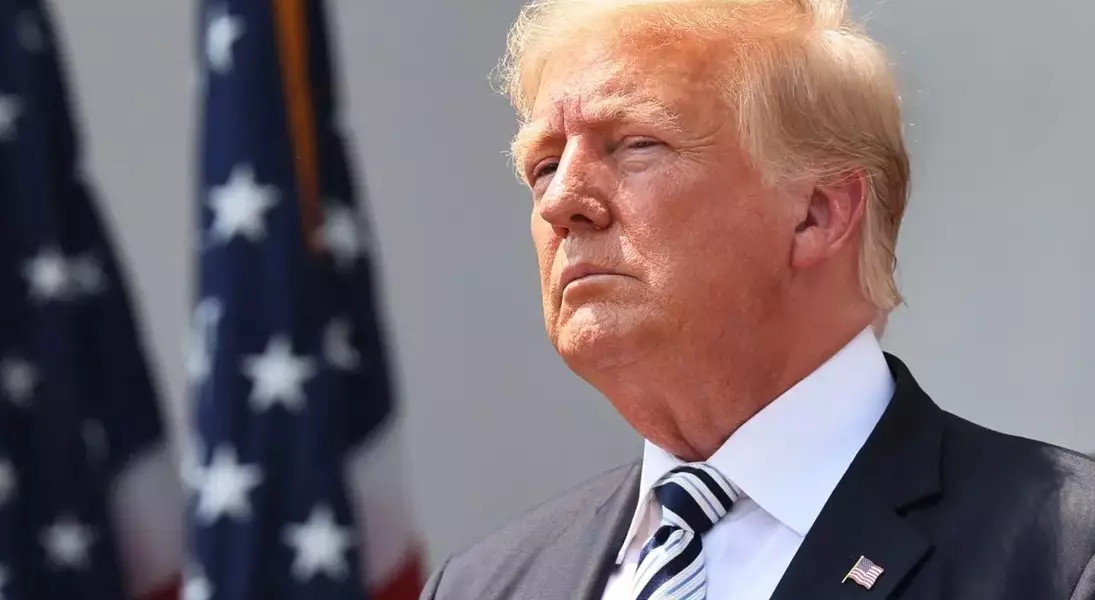
Incoming president Donald Trump is currently giving serious thought to naming an "AI czar" within the White House, as reported by Axios. This move could potentially have a significant impact on the future of artificial intelligence within the government. If such a policy position is appointed, they would be tasked with facilitating the coordination of federal regulations and the utilization of AI by the government. It's important to note that an AI czar would not need Senate confirmation, enabling them to swiftly commence working towards the administration's goals, as pointed out by Axios. The role of an AI czar might potentially be merged with a "crypto czar" role that the White House is also reportedly contemplating. This combined role would complement the agency chief AI officers established under President Joe Biden's AI executive order. However, Trump has the option to eliminate these officers and their respective offices in favor of a more centralized governance approach. At present, no names have been proposed for this crucial position. But it is widely known that Tesla CEO Elon Musk and Vivek Ramaswamy, the co-leaders of the extra-governmental organization known as DOGE, will play a significant role in determining who will hold the AI czar position. Their expertise and influence in the field of technology are likely to shape the direction of this important role.
Significance and Implications
The appointment of an AI czar holds great significance as it could lead to more streamlined and coordinated efforts in the development and implementation of AI policies. It would help ensure that the government is at the forefront of leveraging AI technology for the betterment of society. Without the need for Senate confirmation, the AI czar can quickly get to work on addressing the challenges and opportunities presented by AI. This could potentially result in faster decision-making and the implementation of effective AI strategies. Moreover, the potential combination of the AI czar role with the crypto czar role adds another layer of complexity and potential synergy. It shows that the White House is taking a comprehensive approach to addressing the emerging technologies and their implications.Elon Musk's Potential Impact
Tesla CEO Elon Musk is a renowned figure in the tech industry and has extensive experience in the field of AI. His insights and leadership could bring a unique perspective to the role of AI czar. Musk has been at the forefront of developing and promoting AI technologies through Tesla's autonomous driving projects. His understanding of the technical aspects and potential risks associated with AI makes him a valuable candidate for this position. His influence could help shape the government's approach to AI, ensuring that it is developed in a safe and responsible manner.Vivek Ramaswamy's Role
Vivek Ramaswamy, as the co-leader of DOGE, brings a different set of skills and perspectives to the table. DOGE is an extra-governmental organization that has been actively involved in the blockchain and cryptocurrency space. Ramaswamy's expertise in this area could potentially contribute to the integration of AI and blockchain technologies. His understanding of the decentralized nature of these technologies could help the government navigate the complex landscape of emerging technologies and find innovative solutions. His input could also help ensure that the government's AI policies are in line with the evolving needs of the digital economy. You May Like