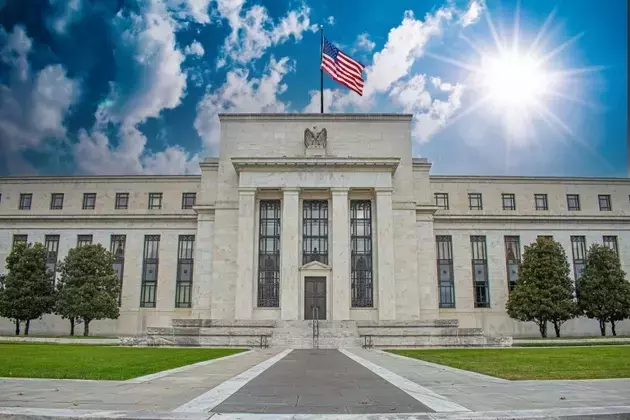
Observers of financial markets have been closely monitoring President Trump's choice for the next leader of the Federal Reserve. The current chairman, Jerome Powell, will conclude his term this May. Trump's selection for this pivotal role, following his decision not to reappoint former Chair Janet Yellen in 2018, is particularly impactful. This article delves into the potential ramifications of this announcement.
The Critical Appointment: Kevin Warsh to Lead the Federal Reserve
In a significant development for global financial markets, President Trump has officially announced Kevin Warsh as his nominee for the next Chairman of the Federal Reserve. This appointment comes just two days after the Federal Open Market Committee (FOMC) concluded its most recent meeting. The decision to name Warsh, a former member of the Federal Reserve Board of Governors, to this top economic position holds substantial weight, as the Fed's leadership plays a direct role in shaping monetary policy, most notably through the setting of interest rates. These rates, in turn, serve as fundamental benchmarks across various sectors of the economy. The financial community is now keenly analyzing what Warsh's leadership could mean for the future direction of economic policy and market stability, especially given his past views on inflation and the Fed's balance sheet.
This appointment underscores the profound influence of presidential decisions on the nation's economic landscape. The choice of the Federal Reserve Chair is not merely a political formality; it is a strategic move that can dictate the pace of economic growth, inflation control, and the stability of financial markets for years to come. The financial community will be closely watching Warsh's approach to these critical issues, anticipating shifts in policy that could impact investment strategies and economic forecasts. His tenure will undoubtedly be a defining period for the Federal Reserve and the broader economy.
