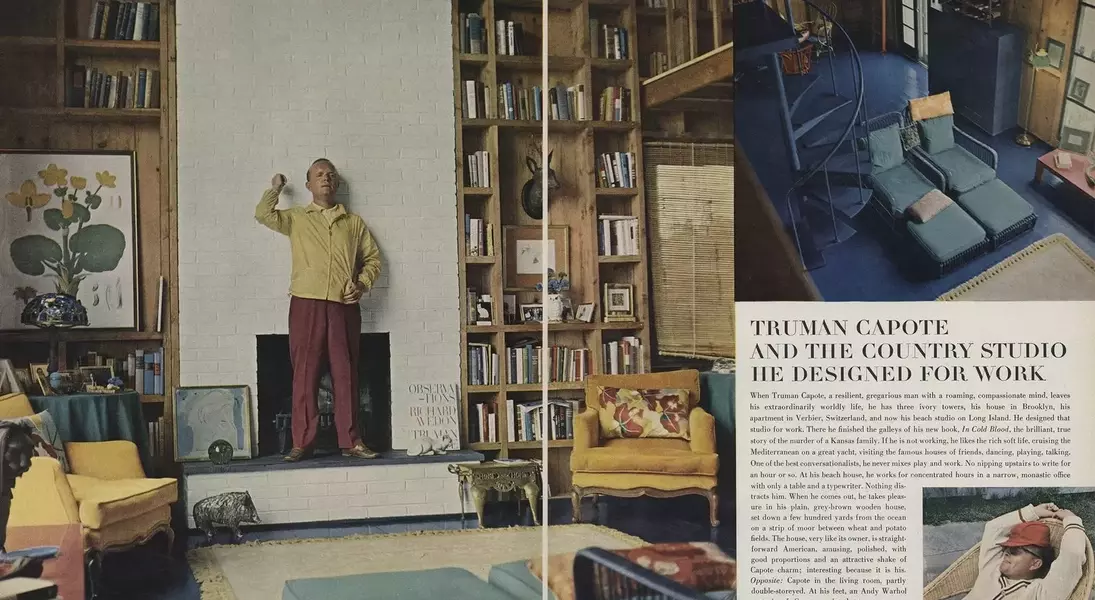
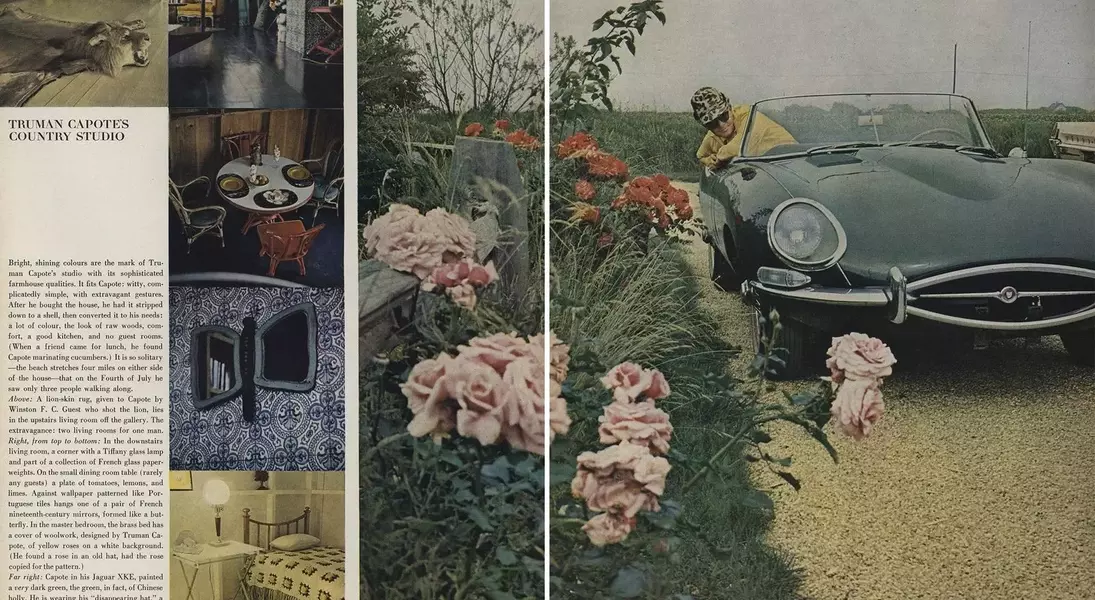
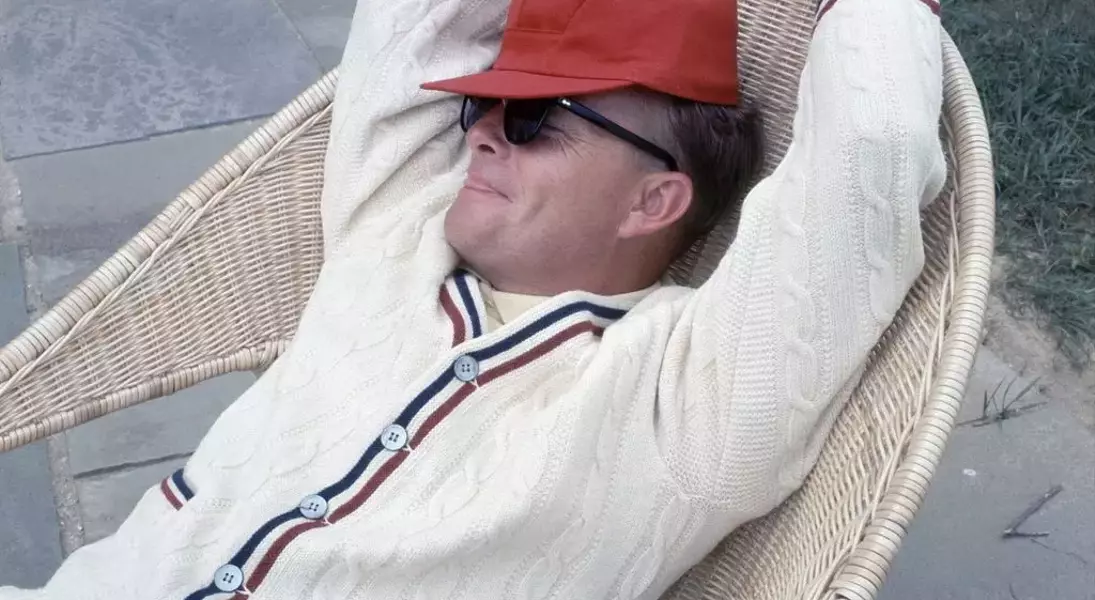
Truman Capote, a figure celebrated for his social charm and intellectual prowess, carefully constructed personal sanctuaries that allowed him to retreat from his vibrant public life and immerse himself in his craft. Beyond his urban home in Brooklyn and his European escape in Verbier, Switzerland, lay his meticulously designed beach studio on Long Island, serving as his primary creative crucible. This secluded retreat was not merely a residence but a purpose-built environment where intense focus was paramount, exemplified by his completion of the galleys for "In Cold Blood," a seminal work of true crime literature. Capote rigidly separated his opulent social calendar—filled with yacht cruises, glamorous gatherings, and engaging conversations—from his professional endeavors, ensuring his writing time remained uninterrupted and wholly concentrated.
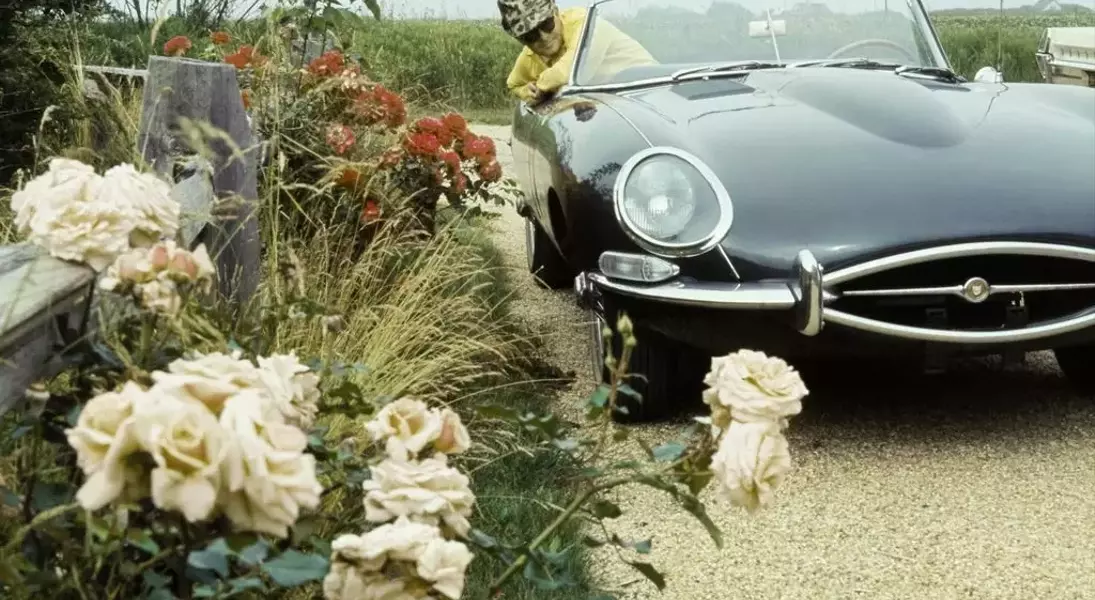
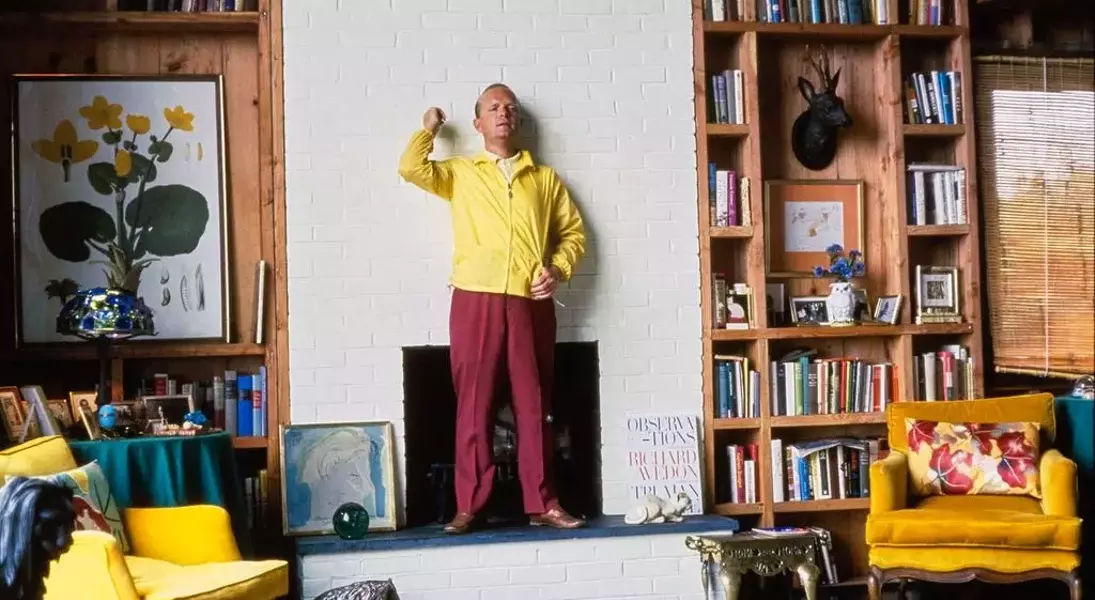
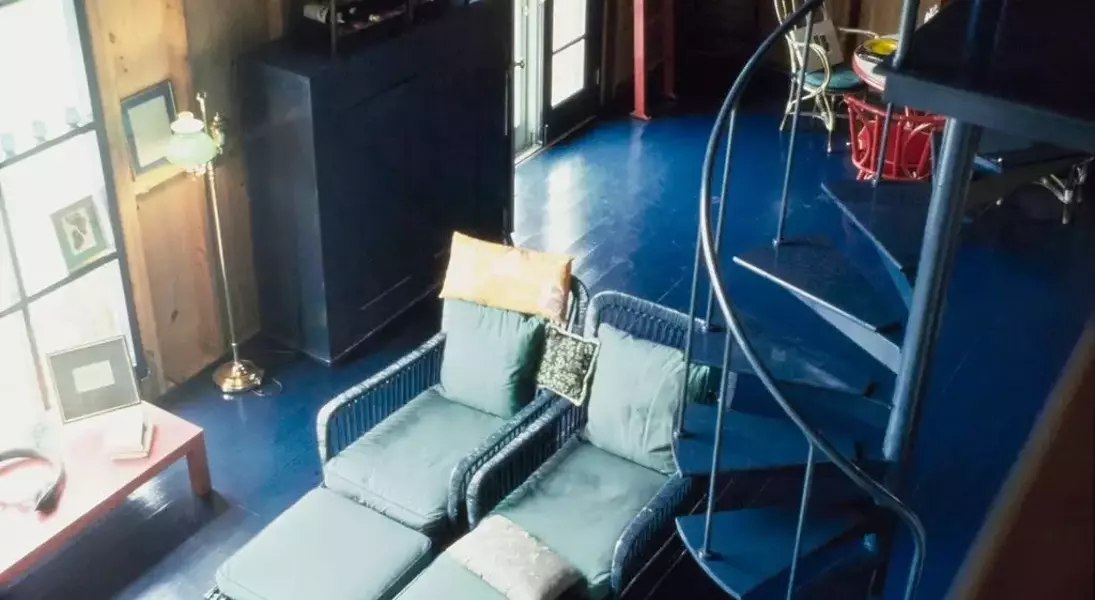
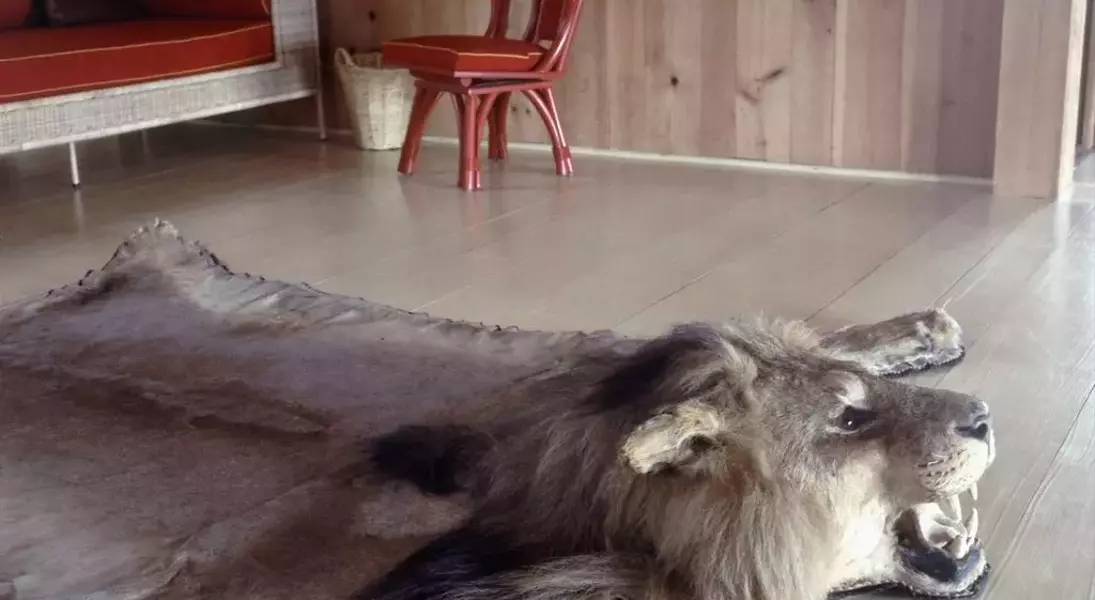
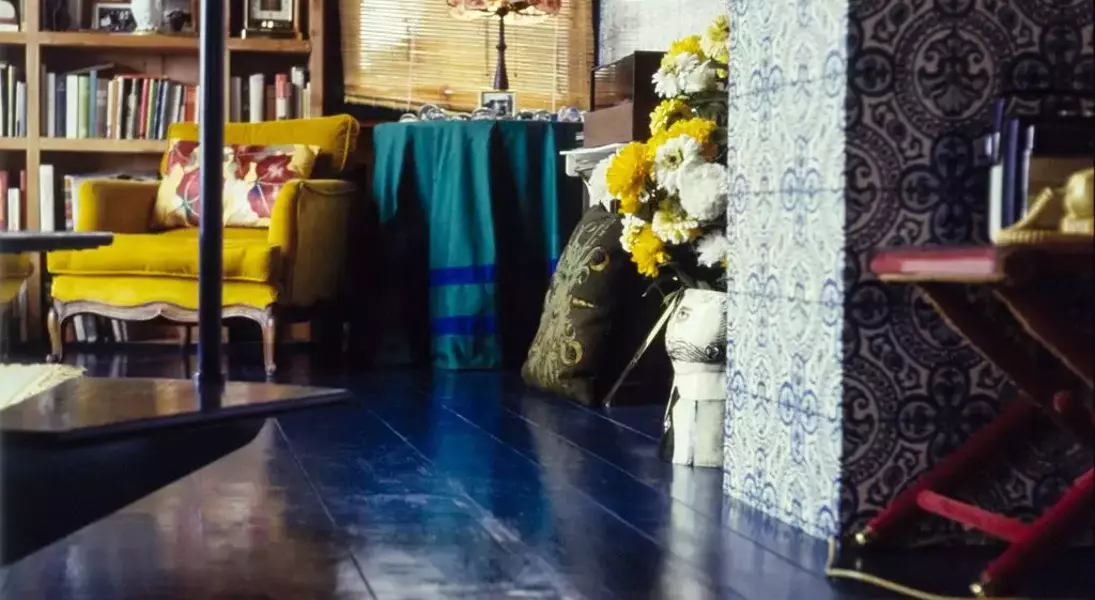
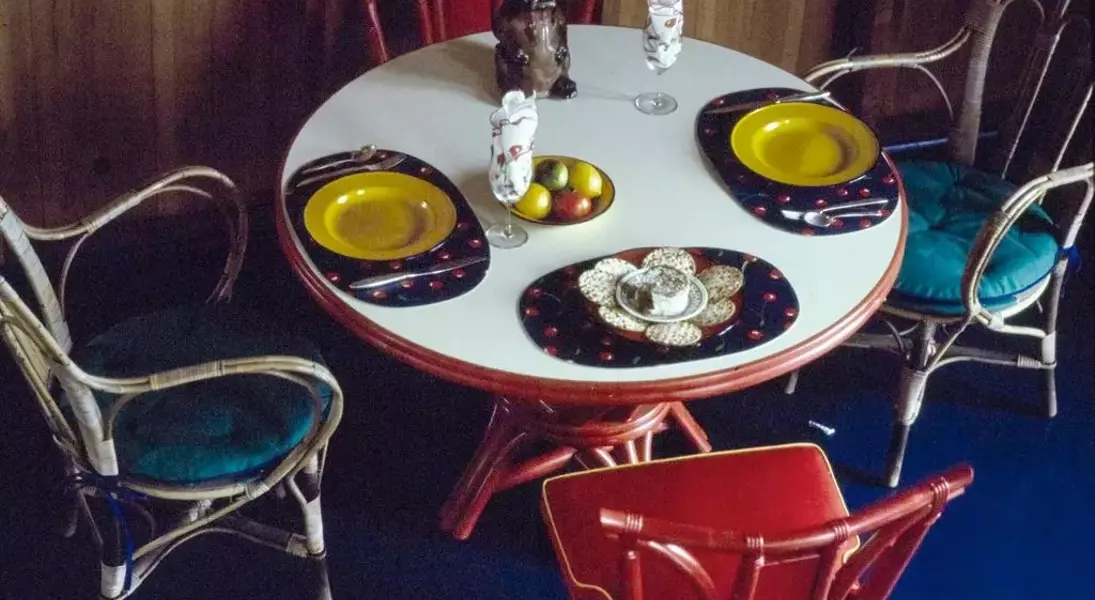
The Long Island studio vividly mirrored Capote's singular character: a thoughtful blend of forthrightness, wit, and refined charm. After acquiring the property, he completely transformed it, stripping it to its core to rebuild it according to his precise needs. The resulting interior boasted a palette of vibrant colors, the natural texture of raw wood, and an overarching sense of comfort, notably designed without any guest accommodations to preserve its solitary nature. Situated just a short distance from the ocean, nestled between agricultural fields, the grey-brown wooden structure was a testament to understated American elegance, marked by its impeccable proportions and an undeniable allure derived purely from being Capote's own creation. This isolated setting, where the beach stretched for miles, provided the ultimate backdrop for profound concentration, a place where the author could truly disconnect and create.
A creator's environment profoundly shapes their artistic journey, and Capote's studios stand as powerful testaments to this symbiotic relationship. These spaces underscore the invaluable role of intentional design and personal discipline in nurturing creativity and achieving monumental works. They inspire us to cultivate our own dedicated havens, whether physical or mental, where focus can thrive, individuality can flourish, and our deepest inspirations can be brought to life. Such environments remind us that true creation often requires a deliberate step away from the everyday, a commitment to solitude, and the courage to build a world perfectly suited for one's unique artistic pursuit.
