
When considering the true value of an Olympic medal, it becomes evident that its significance extends far beyond the mere worth of its constituent metals. The prestige associated with an Olympic win, coupled with the visibility and opportunities it generates, forms a multifaceted value proposition for athletes.
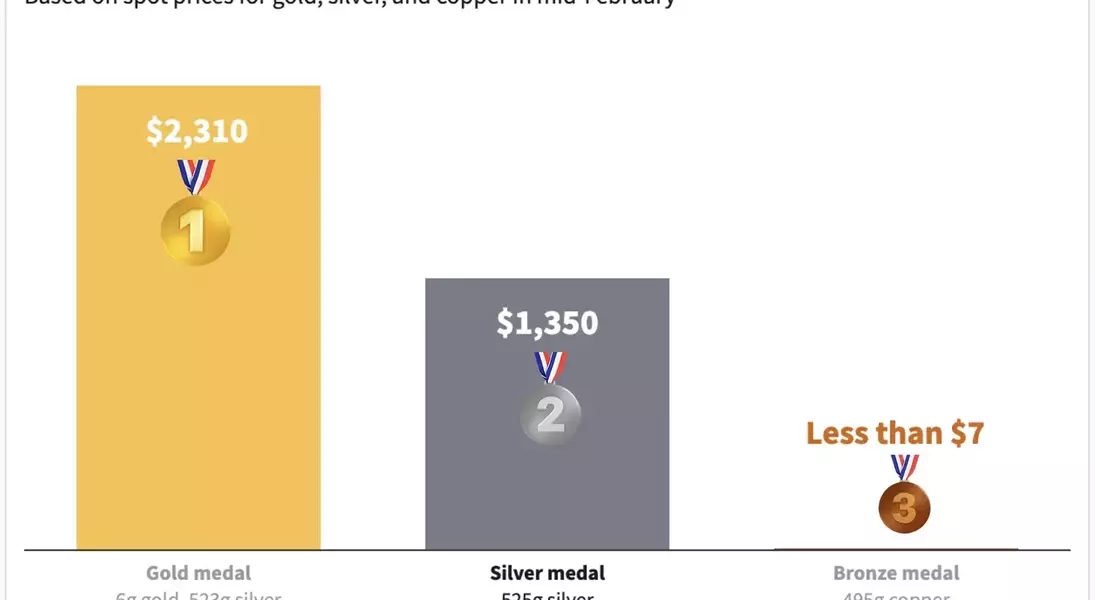
Initially, Olympic gold medals were indeed crafted from solid gold; however, this practice ceased after 1912 due to escalating costs. Modern gold medals primarily consist of silver, coated with a thin layer of pure gold, giving them their iconic appearance and symbolic weight. Silver medals are made entirely of sterling silver, while bronze medals are composed of copper and other alloys, lacking any precious metals. Consequently, the intrinsic metal value of a gold medal is currently estimated at approximately $2,310, based on market prices for its silver and gold content. Silver medals are valued at around $1,350 for their silver content, whereas bronze medals, primarily copper, are worth less than $7. These figures highlight that the raw material value is only a fraction of a medal's overall worth.
The financial landscape for U.S. Olympic athletes has significantly improved, particularly concerning taxation. Historically, prize money and medals were considered taxable income. However, the United States Appreciation for Olympians and Paralympians Act of 2016 exempted most medal-related prize money from federal income taxes for athletes below a certain income threshold. This legislative change aims to alleviate financial burdens, allowing athletes to fully benefit from their achievements. Beyond the immediate cash prizes and tax exemptions, an Olympic medal can dramatically elevate an athlete's public profile, leading to lucrative endorsement deals, sponsorships, and paid appearances. These opportunities often extend long after the Games conclude, opening doors to careers in coaching, leadership, and media. The long-term financial impact and career advancement potential underscore that an Olympic medal's true value lies not in its physical composition, but in the doors it opens and the lasting legacy it helps to build.
The Olympic journey embodies dedication, perseverance, and the pursuit of excellence. Each medal symbolizes years of relentless effort and sacrifice, serving as a powerful reminder that true achievement transcends material worth. It inspires athletes and observers alike to strive for their personal best, fostering a spirit of unity and global camaraderie. The enduring legacy of the Olympic Games encourages us all to celebrate human potential and to recognize that the greatest rewards often come from the journey itself, not just the destination.
