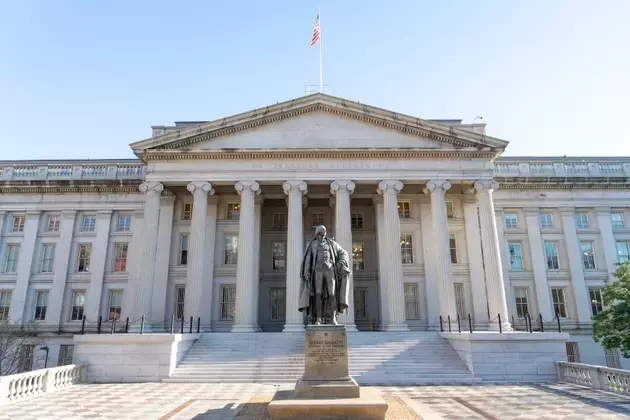
The recent announcement by the Treasury to double its long-bond buyback program has introduced a significant new variable into financial markets, causing a notable decline in the dollar's value. This strategic move highlights the complex interplay between government fiscal policy and currency markets. Simultaneously, the Mexican peso's performance often mirrors changes in oil prices, reflecting a dynamic correlation that recently peaked and is now stabilizing. The relationship between the dollar and the Chinese yuan, influenced by China's two-year yield, is also showing increasing interconnectedness. Furthermore, the British pound's movements are almost equally tied to both the Dollar Index and the euro, indicating a broader market influence. In Australia, the local currency's exchange rate is more significantly impacted by gold price fluctuations than by the nation's two-year yield, underscoring the diverse factors that drive global currency valuations.
Treasury Actions Send Ripples Across Global Currencies
In a significant development, the United States Treasury recently announced a substantial increase in its long-bond buyback program, effectively doubling its scale. This strategic fiscal maneuver immediately sent shockwaves through the global financial markets, leading to a noticeable depreciation of the U.S. dollar. The decision introduces a new dynamic, influencing bond yields and currency valuations worldwide.
Meanwhile, the Mexican peso's valuation continues to show a strong link with global oil prices. Historically, an increase in oil prices tends to strengthen the peso against the dollar. This correlation reached a peak of 0.75 in mid-July, subsequently softening to approximately 0.40 earlier this month, before recovering to nearly 0.55. This fluctuating correlation underscores the influence of commodity markets on emerging market currencies.
Across the Pacific, the relationship between the dollar and the Chinese yuan has been closely watched. Recent data indicates that changes in the dollar's value against the yuan are increasingly correlated with shifts in China's two-year yield, with a correlation of approximately -0.25, a level not seen in five months. This suggests a growing interdependence between the two major economies' financial policies.
In Europe, the British sterling is demonstrating a nearly equal correlation with both the Dollar Index and the euro over the past 30 trading sessions. This dual influence highlights the sterling's position at the crossroads of major currency blocs, responding to broad market trends in both the U.S. and the Eurozone.
Further south, the Australian dollar's exchange rate is showing a more pronounced connection to gold prices than to Australia's domestic two-year yield. Over the last 30 sessions, the Australian dollar's movements were roughly twice as correlated with gold price changes (around 0.55) as they were with changes in Australia's two-year yield (approximately 0.27). This emphasizes gold's role as a significant indicator for the Australian currency, often seen as a commodity-linked currency.
The Treasury's bold move to increase long-bond buybacks illustrates the profound impact governmental financial strategies can have on global currency markets. As central banks and treasuries continue to navigate complex economic landscapes, these interconnected currency movements offer valuable insights into the health and direction of the world economy. Investors and policymakers alike must closely monitor these correlations to anticipate future market shifts and formulate effective strategies.
