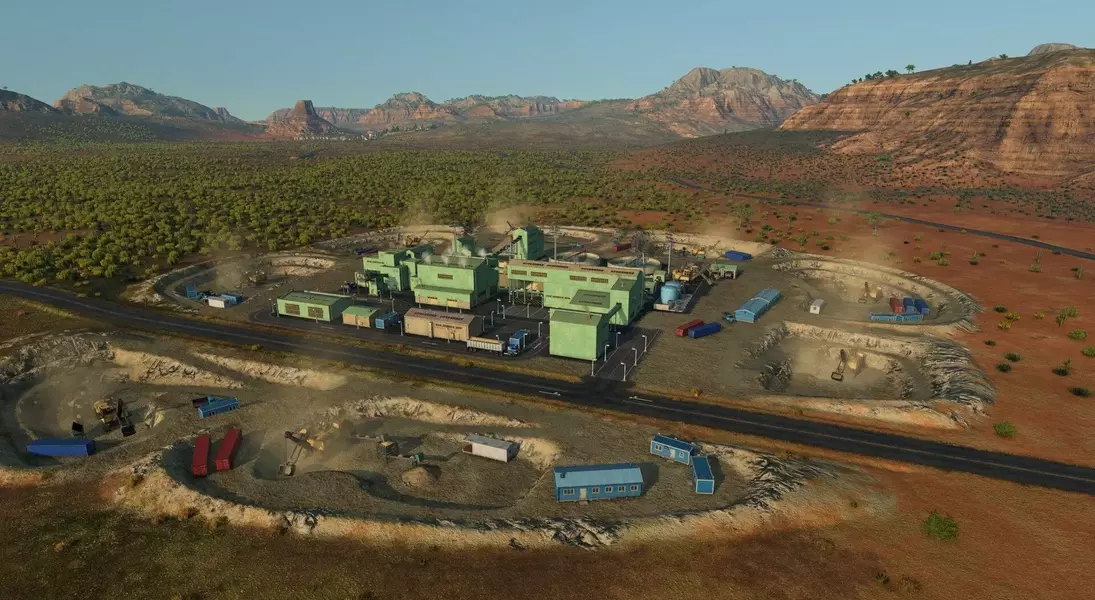
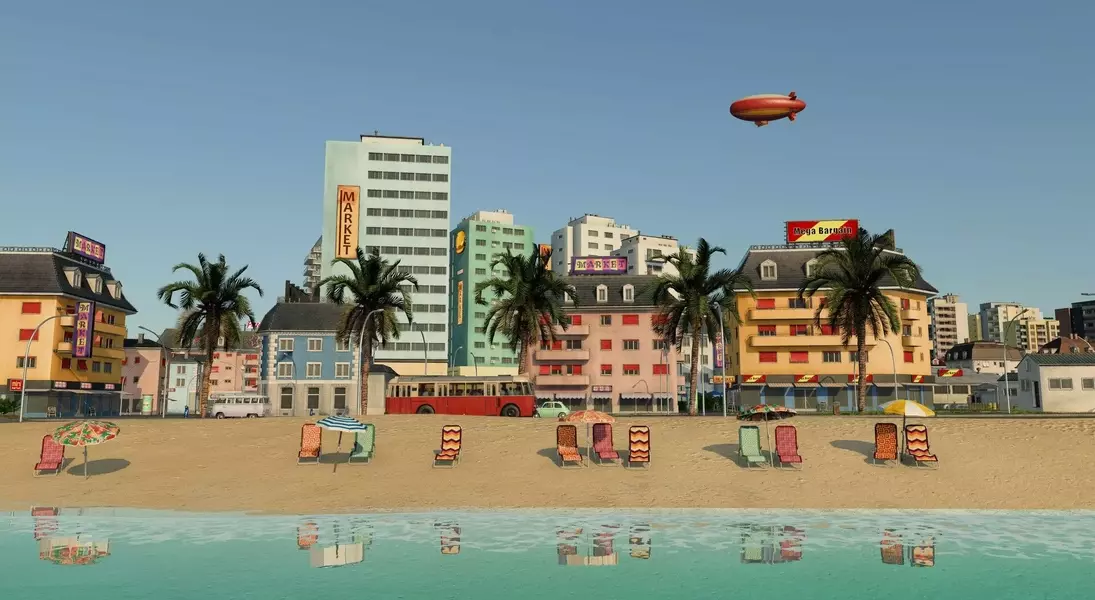
The gaming world eagerly anticipates a slew of major releases, yet a new contender has emerged to capture attention: Urban Games' Transport Fever 3. While many simulation titles focus solely on city building or resource management, this latest installment appears to blend these genres with a sophisticated emphasis on logistics and urban development. Unlike its predecessors, which primarily functioned as tycoon simulators, Transport Fever 3 delves deeper into the intricacies of managing a burgeoning metropolis, promising a refreshing challenge for seasoned players.
Transport Fever 3: Expanding Horizons in Simulation
In the realm of transportation simulation, Urban Games is poised to redefine expectations with Transport Fever 3. This iteration moves beyond the foundational premise of supporting trade to foster urban growth, introducing layers of complexity that mirror real-world city planning. Players will no longer just ensure efficient transport networks; they must also grapple with the environmental impact of their decisions. Noise and pollution levels, traditionally a concern in pure city-building games, now demand strategic consideration within the transport framework. For instance, the placement of industrial facilities or transport depots in serene rural areas can now trigger citizen dissatisfaction, adding a nuanced dimension to infrastructure development.
Furthermore, Transport Fever 3 introduces a robust system for infrastructure upgrades and expansions. As cities evolve and their needs escalate, players will confront the inherent challenges of modifying existing road networks. This intentional friction, as promised by Urban Games, aims to prevent the common scenario in other simulators where established districts become self-sufficient and require minimal player intervention. The game's meticulous attention to detail extends to managing traffic flow, offering granular control over intersections, including traffic light patterns and designated turn lanes. This level of precision allows for highly optimized urban arteries, crucial for maintaining citizen happiness and trade efficiency.
The industrial sector in Transport Fever 3 also sees significant expansion. New industries will emerge based on geographical location and market demand, encouraging players to actively "prospect" for new economic opportunities. This dynamic industrial landscape, reminiscent of the beloved industrial mechanics in other city simulators, promises to enrich strategic planning. While the concept of "greenification" in the game is noted as potentially simplistic, requiring further exploration, the overall direction of Transport Fever 3 suggests a comprehensive and engaging simulation experience. The game's features trailer has sparked considerable enthusiasm, leaving many eagerly awaiting an official release date from Urban Games.
From a player's perspective, the enhanced focus on environmental factors and the nuanced challenges of urban expansion in Transport Fever 3 are particularly exciting. The prospect of managing more dynamic and demanding city environments, where every decision has palpable consequences, offers a refreshing departure from simpler simulation models. This deeper engagement with logistics and societal impact suggests a game that will not only entertain but also encourage thoughtful and strategic problem-solving, pushing the boundaries of what a transport simulation can achieve.
