Many homes contain a room that poses a unique design challenge. These spaces might have unusual dimensions, lack natural light, or simply feel out of place within the home's overall aesthetic. Such 'spare rooms' often become catch-all areas, leading to frustration for homeowners seeking to maximize their potential. Recent trends show a significant increase in online searches for solutions to these common design dilemmas, indicating a widespread desire for functional and aesthetically pleasing spare rooms.
Defining Purpose and Maximizing Space in Tricky Rooms
Before embarking on any design overhaul, the fundamental step is to clearly define the room's intended function. This crucial initial assessment helps narrow down design options and focuses creative energy on solutions that meet specific practical needs. Considerations such as electrical outlets and lighting placement should precede aesthetic decisions like color schemes and decorative elements. Understanding the room's primary purpose—whether it's a home office, a cozy reading nook, or a dedicated storage area—is paramount to achieving a successful and enduring design.
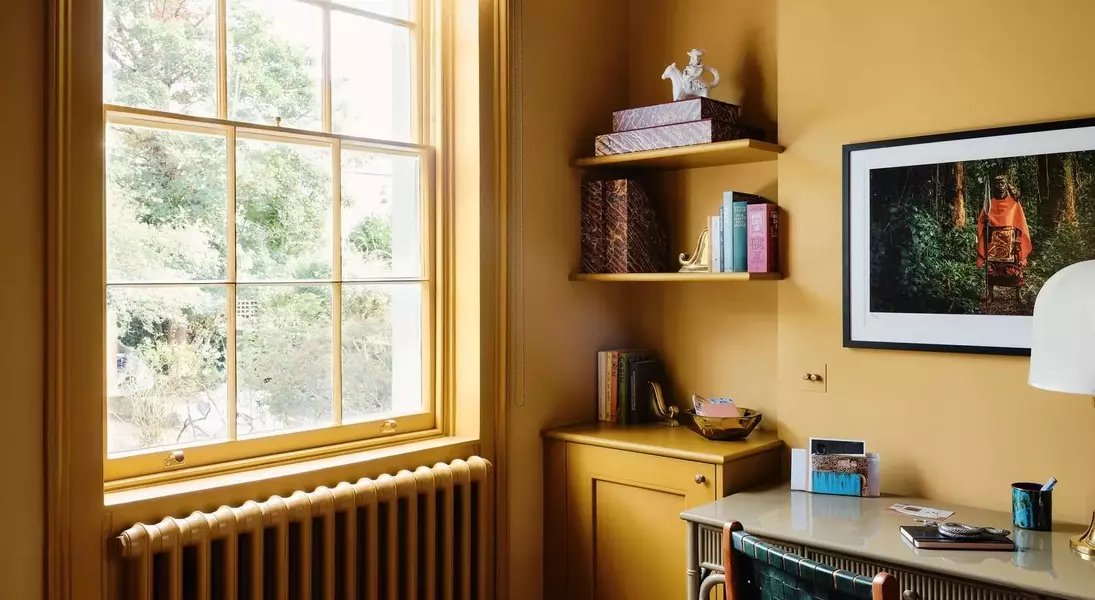
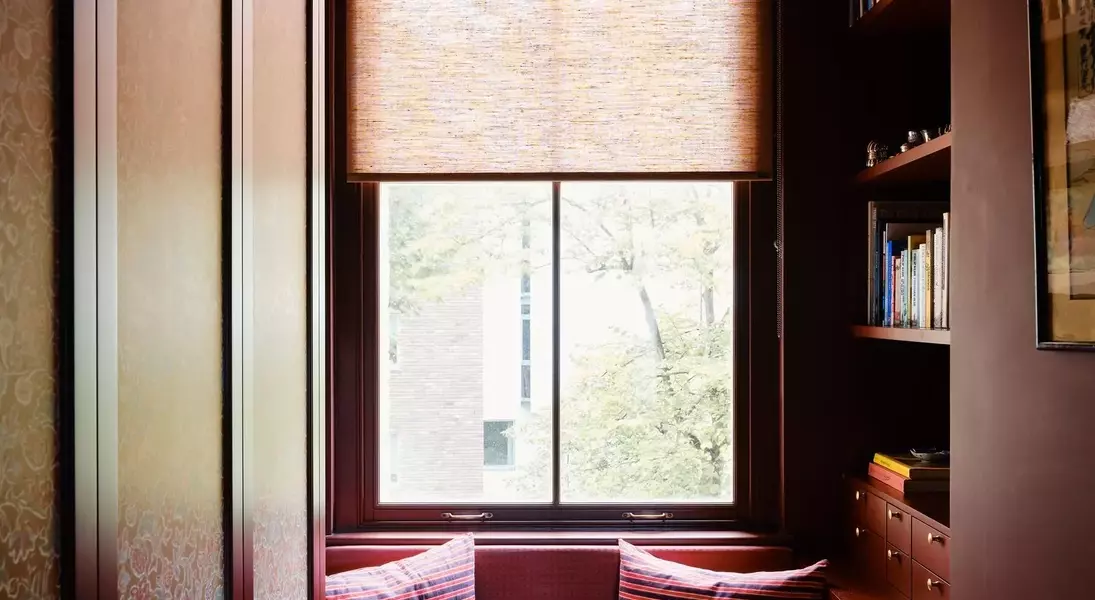
Spare rooms, often compact, tend to accumulate clutter due to their less frequent use. Intelligent storage solutions are therefore essential. Incorporating shelving and cabinetry into every available recess, such as flanking doorways in narrow rooms, can create a sense of order and purpose without overwhelming the space. Even small alcoves can be utilized for bookshelves or display areas. Glass-fronted cupboards can visually expand a room, and internal planning of drawers and cabinets before construction ensures long-term functionality and organization, offering a satisfying sense of tidiness and efficiency.
Enhancing Aesthetics and Functionality Through Creative Design
Architectural elements like windows significantly impact a room's atmosphere. Clever visual manipulation can alter their perceived proportions, transforming an awkward feature into an asset. For instance, adding a valance above a low-set window or hanging curtains higher than the frame can draw the eye upward, making the window and the room appear taller and more dramatic. Such simple yet effective tricks can profoundly change the room's feel and overall aesthetic. Embracing bold design choices, especially in smaller rooms, can also inject personality and warmth. Rather than adhering to minimalist approaches, integrating occasional chairs, small stools, or varied textures can add layers of depth and character, provided all elements are well-proportioned.
Color plays a vital role in interior design, offering an opportunity for bolder expressions. A cohesive palette, often anchored by a 'hero fabric' that ties various elements together, can create a unified and inviting atmosphere. Experimenting with contrasting paint colors for architectural features like cabinetry, or incorporating fabrics with rich patterns and complementary shades, can add visual interest. Furthermore, incorporating small decorative flourishes, such as trims, shaped cornicing, different paint finishes, and hand-painted details, can make a significant impact. These subtle additions consume minimal space but contribute greatly to a room's considered and cherished feel. Thoughtful details like unique artwork, scented candles, layered lighting, and strategically placed houseplants can transform a once-neglected room into a desirable and frequently used space, imbuing it with personality and charm.
