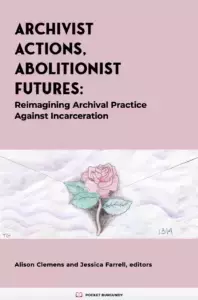
In a compelling exploration of archival practices, this article delves into the need for reimagining how we preserve and provide access to information. By challenging traditional methods, it calls for an approach grounded in equity and justice, particularly focusing on the experiences of incarcerated individuals.
Reimagine Archival Practices for True Equity and Justice
The Unseen Influence of Incarceration on Cultural Preservation
The cultural professions have long operated under principles that inadvertently perpetuate systemic injustices. Through an examination of archival practices, it becomes evident that the influence of carceral systems has seeped into the very fabric of these professions. Institutions tasked with preserving history often overlook the harm caused by their complicity with the Prison Industrial Complex. This oversight not only undermines equitable access to information but also perpetuates cycles of oppression. For instance, consider the way collections documenting the lives of incarcerated individuals are handled. Traditional methods frequently fail to provide respectful and meaningful access to these materials, thus reinforcing harmful narratives. To truly address this issue, archivists must critically evaluate and transform their practices.Archivists play a crucial role in shaping historical narratives, yet their work can unintentionally reinforce systemic biases. The preservation of records related to incarceration requires a thoughtful and ethical approach. When archivists neglect to consider the lived experiences of incarcerated individuals, they risk perpetuating harmful stereotypes. By embracing abolitionist values, archivists can foster a more inclusive and just environment. This shift involves recognizing the humanity of those who have been marginalized and ensuring their stories are told with dignity and respect. Moreover, it necessitates a commitment to dismantling structures that uphold inequity within the cultural professions.Redefining Access: Toward Equitable Information Practices
Equitable access to information is not merely a matter of providing resources; it demands a fundamental rethinking of how archives operate. Current practices often prioritize institutional convenience over the needs of marginalized communities. For example, the digitization of collections may seem like a step forward, but if it fails to account for the diverse ways people seek and use information, it remains inadequate. Redefining access means creating pathways that are accessible, inclusive, and responsive to the unique challenges faced by different groups. This includes addressing barriers such as language, technology, and socio-economic status. Furthermore, it involves fostering partnerships with community organizations to ensure that the voices of those most affected are at the forefront of decision-making processes.A key aspect of redefining access lies in acknowledging the power dynamics inherent in archival work. Historically, archives have been spaces where gatekeepers determine what is preserved and how it is presented. This dynamic can be particularly problematic when dealing with sensitive materials related to incarceration. To create a more equitable system, archivists must actively dismantle these power imbalances. This can be achieved through transparent policies, collaborative projects, and ongoing dialogue with the communities they serve. By prioritizing the perspectives and needs of marginalized individuals, archivists can build trust and ensure that archives become spaces of healing and empowerment rather than sites of further harm.Abolitionist Values in Action: Transforming Archival Practice
Embracing abolitionist values is essential for transforming archival practice. These values challenge the status quo and advocate for a world free from oppressive systems. In the context of archives, this means reimagining how collections are curated, preserved, and accessed. An abolitionist approach emphasizes the importance of centering human rights and social justice in all aspects of archival work. It calls for a radical rethinking of what it means to preserve history and ensure that it serves the greater good. This transformation requires archivists to confront uncomfortable truths about the past and present and to commit to ongoing self-reflection and growth.One of the most powerful examples of abolitionist values in action can be seen in the way archivists engage with collections documenting the lives of incarcerated individuals. Instead of treating these materials as mere artifacts, archivists can view them as testimonies of resilience and creativity. By doing so, they honor the humanity of those who have been marginalized and contribute to a more nuanced understanding of incarceration. This approach also highlights the potential for archives to serve as catalysts for change. Through thoughtful curation and responsible stewardship, archivists can help dismantle the myths surrounding incarceration and promote narratives of hope and liberation. Ultimately, this shift towards abolitionist values will lead to a more just and equitable future for all.Building a Future Grounded in Justice and Equity
The future of archival practice must be rooted in justice and equity. As society continues to grapple with issues of systemic inequality, archives have a vital role to play in promoting positive change. By adopting abolitionist values, archivists can ensure that their work contributes to a more compassionate and inclusive world. This transformation requires a collective effort from all stakeholders in the cultural professions. It calls for ongoing education, collaboration, and advocacy to challenge existing norms and create new possibilities. Through this process, archives can evolve into spaces that truly reflect the diversity and richness of human experience.In conclusion, the path forward for archival practice lies in embracing a vision of justice and equity. By reimagining how we preserve and provide access to information, archivists can play a pivotal role in dismantling oppressive systems. This journey involves confronting difficult histories, fostering meaningful partnerships, and prioritizing the voices of marginalized communities. Through these efforts, archives can become powerful tools for promoting social justice and building a better future for all.