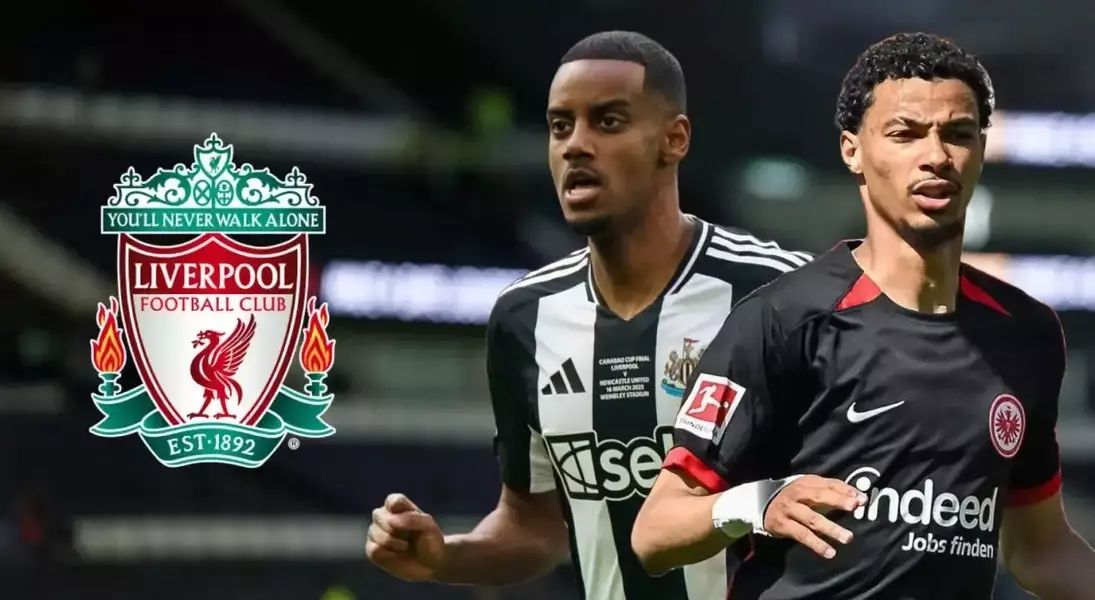
Recent speculation surrounding major football transfers has reached a fever pitch, with numerous media outlets circulating unverified reports. This article aims to clarify the prevailing narratives concerning Hugo Ekitike's supposed transfer request to Liverpool and the unfounded claims about Newcastle United's readiness to offload Alexander Isak. Many of these reports appear to be the result of misinterpretations or an eagerness to generate sensational headlines in the absence of concrete news, rather than reflecting actual developments in the transfer market. We delve into the details to separate fact from fiction, offering a more accurate picture of the ongoing transfer sagas involving these prominent players.
Disentangling the Transfer Narratives: Ekitike's Intentions and Isak's Stance
In a recent wave of sensationalized transfer news, the football world has been abuzz with reports concerning the futures of Hugo Ekitike and Alexander Isak, particularly in relation to Liverpool's transfer ambitions. However, a closer examination reveals that much of this buzz is founded on speculative reporting rather than verifiable facts.
Reports widely circulated by various football news outlets, including the Daily Mirror, Liverpool.com, Daily Express, and Liverpool Echo, claimed that Hugo Ekitike had submitted a "transfer request" to force a move to Liverpool. These publications highlighted phrases like "Ekitike takes drastic action" or "takes matters into his own hands" to suggest a forceful departure from his current club. Yet, the origin of these reports, a SportBild update, indicates a mistranslation. The original German text merely conveyed Ekitike's desire to join Liverpool, not a formal transfer request designed to expedite a deal already in motion. Indeed, if both Frankfurt and Liverpool are actively negotiating a transfer fee, as reports suggest, a transfer request would be an entirely unnecessary and illogical step for the player to take. Liverpool's willingness to meet Frankfurt's valuation, even after an initial bid was rejected, further underscores that Ekitike's move is likely to proceed without such dramatic intervention.
Meanwhile, the Newcastle Echo perpetuated another misleading narrative, asserting that Newcastle United was now "adamant" about selling their star striker, Alexander Isak. This claim directly contradicts Newcastle's previously firm stance against his departure. Such a pronouncement, especially when linked to Liverpool's supposed interest, seems to be another instance of outlets prioritizing click-generating headlines over accurate journalism. The notion that Newcastle would suddenly become willing to part with a player of Isak's caliber, particularly after investing significantly in him, is highly improbable and lacks any credible basis.
Adding to the convoluted transfer landscape, Manchester United's pursuit of Bryan Mbeumo has also been scrutinized. Despite initial valuations, the fee for Mbeumo has reportedly escalated to £70 million, which some sources attempt to justify as part of Manchester United's strategic plan. The rationale, at times bordering on the absurd, includes comparing Mbeumo's age to other players with a mere 72-day difference, highlighting the lengths to which some media go to rationalize transfer market fluctuations. Moreover, the speculation around Mbeumo's "dream shirt number" for Manchester United further exemplifies the trivial details often amplified in the absence of substantial transfer updates, underscoring the media's tendency to fill voids with speculative content.
The Unfolding Saga of Transfer Speculation
The current state of transfer reporting, as exemplified by the Ekitike and Isak sagas, highlights a pervasive issue within sports journalism: the prioritization of sensationalism over accuracy. From a journalist's perspective, the constant pressure to deliver breaking news and attract readership can lead to the premature publication of unverified information or, worse, the misinterpretation of legitimate sources. This creates a cycle where vague statements or mistranslated phrases are amplified into dramatic narratives, often causing unnecessary anxiety among fans and potentially disrupting delicate negotiations between clubs and players. It underscores the critical need for media outlets to exercise greater diligence and caution, ensuring that their reports are not only engaging but also grounded in verifiable facts. As readers, we are reminded to approach transfer news with a healthy dose of skepticism, always questioning the source and considering the underlying motivations behind such headlines. Only by demanding higher standards of reporting can we hope to foster a more transparent and trustworthy sports media landscape.
