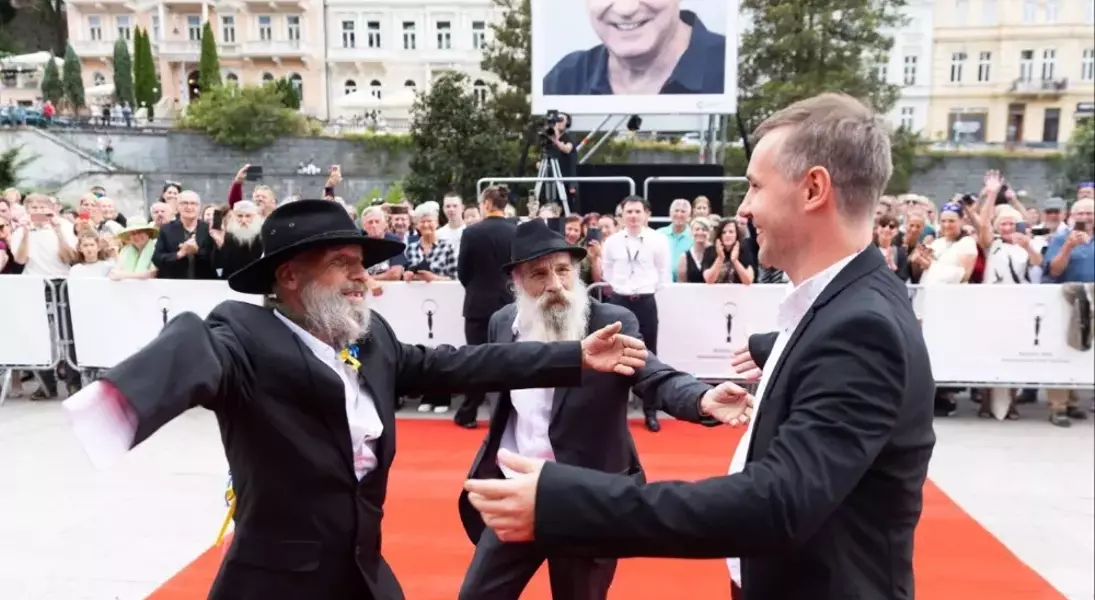
The world of cinema mourns a profound loss following a moment of triumph. František Klišík, the compelling subject of the award-winning documentary 'Better Go Mad in the Wild,' has passed away unexpectedly at the age of 62. His death occurred mere hours after the film received top honors at the esteemed Karlovy Vary Film Festival, casting a somber pall over what should have been a period of celebration. This tragic turn of events underscores the fragility of life, even as artistic endeavors achieve significant recognition. The film's creators, along with those close to Klišík, grapple with the sudden void left by his departure, reflecting on his unique spirit and the poignant narrative he shared with the world.
Klišík's story, meticulously captured by director Miro Remo, delves into the lives of two brothers living deliberately disconnected from modern society in the remote Šumava region. Their unconventional journey and deep bond formed the emotional core of a film that captivated festival audiences and critics alike. The unfortunate timing of Klišík's passing—amidst the joyous reverberations of the film's success—highlights a stark contrast between artistic achievement and personal sorrow. His memory is now inextricably linked to this cinematic accomplishment, serving as a testament to his impactful life and the powerful storytelling that brought it to a global stage.
A Life Unconventional and a Sudden End
František Klišík, a Czech poet and former political activist whose extraordinary life was captured in the documentary 'Better Go Mad in the Wild,' tragically died at 62. His passing on Sunday came shortly after the film's triumphant win of the Grand Prix at the Karlovy Vary Film Festival. Klišík, who had previously lost his right arm in a sawmill incident, was discovered deceased in a pond in Ohrobec, a Czech village. Reports indicate he had been visiting a friend and celebrating the film's achievement near a local pub. Authorities, represented by police spokesperson Michaela Richterová, stated there were no signs of foul play, with an autopsy pending to determine the precise cause of death. The profound irony of his demise, occurring at the peak of the film’s critical acclaim, leaves a poignant mark on his legacy and the narrative of the documentary itself.
The documentary, masterfully directed by Miro Remo, chronicles the remarkable lives of František and his twin brother, Ondřej, who deliberately chose to live off the grid in the secluded Šumava region. Their unique bond and self-sufficient existence provided a compelling subject for the film, which they had both attended for its world premiere in Karlovy Vary just days before. Aleš Palán, author of the book upon which the film is based, confirmed Klišík's death, expressing solace that František had at least briefly experienced the joy of the film's success. Director Remo conveyed his deep sorrow and confusion upon learning the news, describing a moment of personal jubilation turning into profound grief. He reflected on Klišík’s poetic insights, particularly a verse from the film about life being a "momentary illusion" and a "prerequisite for death," noting the chilling relevance of these words in light of the tragedy. This unexpected loss creates a somber backdrop for a film celebrating a life lived on one's own terms.
Reflecting on a Poetic Existence and Filmic Legacy
The sudden death of František Klišík has infused 'Better Go Mad in the Wild' with an unexpected layer of pathos, transforming its celebratory victory into a poignant tribute. Klišík’s life, marked by resilience and a deep connection to nature, found a new audience through Remo's lens. The film now stands as an enduring record of his unique spirit and philosophical outlook, inviting viewers to ponder the themes of existence, freedom, and the unpredictable nature of fate. This unfortunate event not only affects those directly involved with the film but also resonates with the broader artistic community, serving as a reminder of the delicate balance between creative achievement and the personal narratives that inspire them. The documentary’s Grand Prix win, initially a moment of elation, has become intertwined with the melancholy of a life cut short, adding a profound dimension to its artistic impact.
Director Miro Remo’s emotional statement vividly illustrates the shock and sorrow that swept over the film's team. His account of receiving the news while still basking in the glow of their festival triumph paints a powerful picture of conflicting emotions: joy mixed with despair. Remo's reflection on Klišík’s poetry, particularly the line, “Life is a momentary illusion, a cry into silence, a foolish effort, a cup forced upon you, a sip of delicious taste, a prerequisite for death, which then is our certainty, a prerequisite for life,” resonates deeply in the aftermath of the tragedy. This particular verse, prominently featured in the film, underscored Klišík’s contemplative nature and foreshadowed, in an eerily symbolic way, the very uncertainty of life he often pondered. The film, which documents Klišík's journey and relationship with his twin brother Ondřej, now serves as a moving memorial to a man whose life, though simple, offered profound insights, capturing his essence for posterity and providing comfort to those who knew him and were touched by his story.
